

Tanning is the most critical step in leather production.
The leather production process centers around tanning
Tanning means using tanning agents to transform raw leather into moist mature leather (i.e., semi-finished leather), then slicing and trimming the mature leather into multiple layers before re-tanning it, giving different finished leather the fullness, softness, and toughness that each finished leather should have. Different tanning agents are used, resulting in finished leather with distinct characteristics.
![Image [1]-How many tanning techniques are there? – Nleather-Nleather](https://www.nleather.com/wp-content/uploads/2026/08/20260802-095700-94ghj-nleather-silicone-leather.png "20260802-095700-94ghj-nleather-silicone-leather – Nleather")
Generally, mastering the characteristics of the following tanned leather types is sufficient:
Veg-tan Hide
It is usually measured by weight, hence called “heavy leather,” and because the tannins in the tanning agent taste bitter and astringent, it is colloquially called “astringent skin.”
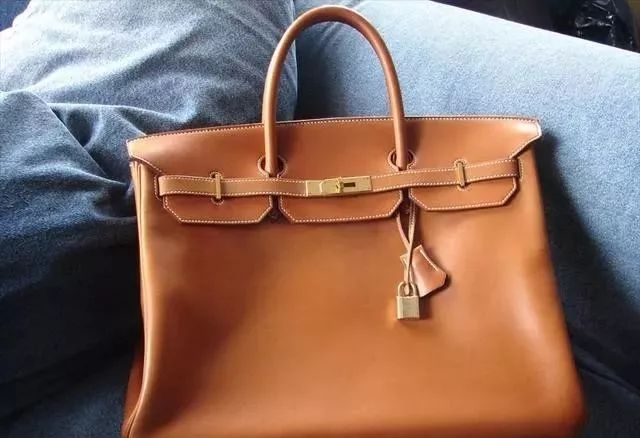
Veg-tan This method is the earliest used for leather tanning. It uses tannin extracted from plants (mainly tannin) for tanning. It is the only environmentally friendly leather tanned in the process, and even when burned, it does not release toxic substances. Some pet food nowadays is made from this scrap of skin. This leather is relatively thick and tough, easily absorbing liquids. After absorbing water, it is easy to shape three-dimensionally. Its natural color is the light brownish-yellow of the tann glue itself and darkens gradually through oxidation, sunlight, and absorption of body fluids after use (prolonged sunlight can tan the leather to a dark brown). It is suitable for alkaline dyeing (i.e., alkaline dyes). Veg-tan Because leather is tough and thick, it is widely used in military products, mechanical parts, basketballs, belts, shoe soles, suitcases, as well as leather carving and plastic materials.
The following types are often measured by area, hence collectively called ” light leather ”:
chrome tanned leather
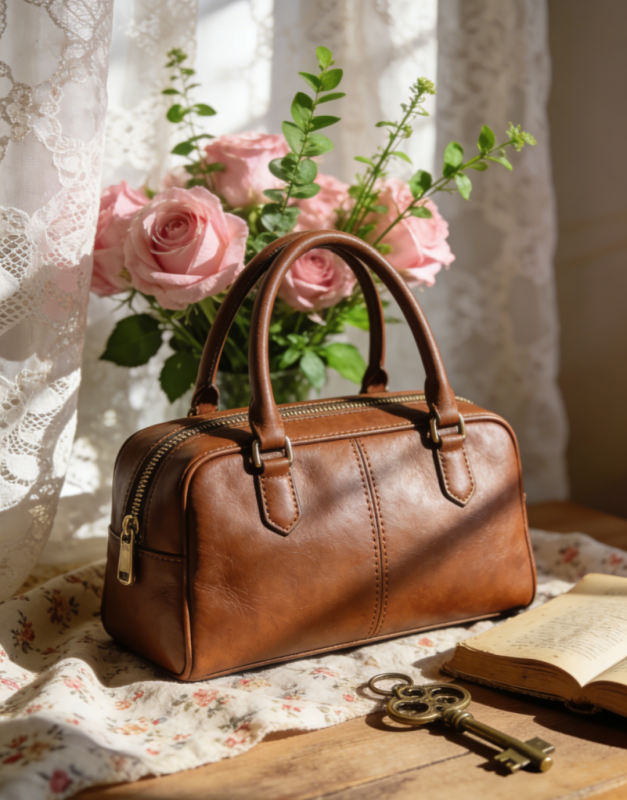
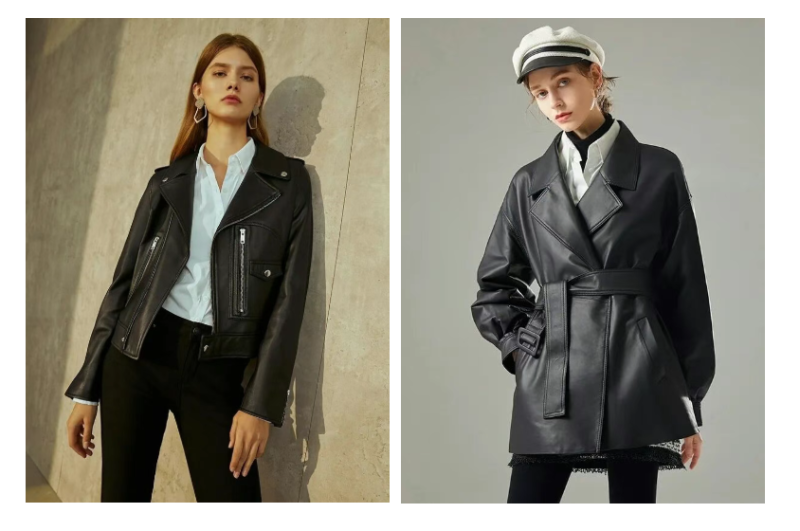
In 1858, he invented a method for tanning leather using chromium salts such as chromium sulfate as the main tanning agents, which is faster than the tanning time and cost Veg-tan Leather is much more saving, and the leather tanned by this method is blue-white, hence the name “blue wet leather.” chrome tanned leather The texture is soft and elastic, with minimal fading and shrinkage, and is easy to dye and sew, often used for clothing, bags, and shoes. However, when this leather burns, it produces a harmful substance called “hexavalent chromium.”
Oil-tanned leather
Mainly, there are oil wax leather , that is, oil-tanned cow leather Leather, with a waxy surface and oily texture, is considered high-end leather. Its only drawback is that it is particularly resistant to water and oil, among which oil Impregnated Leathers (Also known as oil Impregnated Leathers Crazy cow leather There are two types: matte and smooth) which are quite well-known and mainly used for high-end shoes and cool bags.
![Image [2]-How many tanning techniques are there? – Nleather-Nleather](https://www.nleather.com/wp-content/uploads/2026/08/20260802-095605-JjaXC-nleather-silicone-leather.png "20260802-095605-JjaXC-nleather-silicone-leather – Nleather")
Brain tanning
Leather is tanned with emulsified fats (such as fish oil from cod, animal brain marrow, etc., oxidized by air) as tanning agents. This leather is the softest, most breathable, and wash-resistant. Previously, it was only used for tanning chamois leather Nowadays, sheep split-cut hides are mostly used to tan suede leather (i.e., imitation). chamois leather ), used to wipe fine instruments such as lenses.
Aldehyde-tanned leather
Tanning agents are mostly formaldehyde (formalin) or glutaraldehyde aqueous solution. Aldehyde-tanned leather has good water resistance.
Aluminum-tanned leather
Aluminum sulfate is used as a tanning agent. Aluminum-tanned leather is characterized by its pure whiteness, hence the name “white wet leather.” It is soft, with a dense and fine grain surface, but it peels off after washing. After drying, white wet leather becomes flat, thin, and hard, so aluminum tanning agents are rarely used alone. White wet leather has a long shelf life and can be further processed into various types of finished leather, serving as a substitute for blue wet leather.
Combine tanning leather
Leather tanned simultaneously or successively with two or more tanning agents. Most are chrome-vegetable-tanned leather, which has better fullness, elasticity, and abrasion resistance Veg-tan Leather has been significantly improved and is mainly used for making shoes. Vegetable-aluminum bonded tanned leather is stable in nature and has good water resistance. Most leathers sold on the market today are combined tanned leather.
8. Raw leather and mature leather
Raw and mature leather are now rarely seen. Raw leather is not tanned; it is made by scraping off the residual soft tissue of raw hide, soaking it in limewater, then stretching it out to dry it to produce hard, brittle leather, mainly used for parts that do not require bending, such as drum leather ; Mature leather is the handle Veg-tan After being treated with hot water or wax to harden it, it was traditionally used for armor and book covers.

No comments yet