

With the explosive growth of new energy vehicles and increasing consumer attention to in-car health and environmental protection, silicone leather, as a new eco-friendly material, is moving from the background to the forefront. Currently, automotive interiors have become the largest downstream application area for silicone synthetic leather, accounting for 42% of the market share. This analysis delves into the current application status of silicone leather in the automotive industry, covering four dimensions: core performance advantages (such as ultra-low VOC, easy cleaning, weather resistance), market size and growth drivers, industry chain competitive landscape, and future development trends. Analysts believe that with its outstanding performance and perfect alignment with the concepts of “zero formaldehyde” and “healthy cabins,” silicone leather is undergoing a critical stage from “material breakthroughs” to “commercial implementation,” and is expected to become a standard material in high-end cars in the smart cockpit era.
Automotive interiors have become the core growth drive
According to the latest data from QYResearch, the global silicone synthetic leather market sales in 2024 will be approximately USD 244 million, and are expected to grow to USD 604 million by 2031, with a compound annual growth rate of up to 14.0%. Among them, Automotive interiors are undoubtedly the largest application area, accounting for 42% of the market share 。
Regionally, the Asia-Pacific region is the world’s largest consumer market, accounting for about 54%, closely related to China’s status as the world’s largest automobile producer and consumer. Focusing on the more segmented automotive interior sector, market growth is even faster. Data shows that by 2025, silicone compounds will be used in Chinese automotive interiors finished leather Market sales revenue continues to grow rapidly, and by 2032, the global size of this segment is expected to reach $284 million, with a compound annual growth rate expected from 2026 to 2032 15.4% , significantly higher than the overall industry level. This growth is mainly due to the shift of domestic Chinese new energy vehicle brands toward high-end models, which have raised higher demands for the quality and environmental attributes of interior materials.
Why Is Silicone Leather the Top Choice for a “Healthy Cabin”?
The reason silicone leather stands out in automotive interiors mainly lies in its inherent chemical properties and the high alignment with the trend of automotive consumption upgrades. Traditional automotive leather is mainly divided into genuine leather, PVC leather, and PU leather, while silicone leather has achieved comprehensive excellence in several key dimensions:
Ultimate Environmental Protection and Health (Zero VOCs and No Odors)
Air quality is crucial in enclosed car interiors. Silicone leather uses either liquid silicone rubber technology or solvent-free technology, eliminating the use of dimethylformamide (DMF), plasticizers, and harmful solvents such as benzene series from the source. This results in extremely low VOC (volatile organic compounds) content. For example, Guangdong Tianyue New Materials’ silicone automotive leather TVOC content was tested to be only 0.269mg/m³, achieving an extremely low emission level for confined automotive spaces. More importantly, even under the intense summer heat, silicone leather does not emit the pungent odor of traditional materials, truly achieving a “tasteless” riding experience.
![Image [1]-Analysis of silicone leather applications in the automotive industry – Nleather-Nleather](https://www.nleather.com/wp-content/uploads/2026/07/20260726-171525-C5J7r-nleather-silicone-leather.png "20260726-171525-C5J7r-nleather-silicone-leather – Nleather")
Unparalleled weather resistance and durability
Automotive interiors face harsh environmental tests such as ultraviolet radiation, high temperature and humidity, and daily wear and tear.
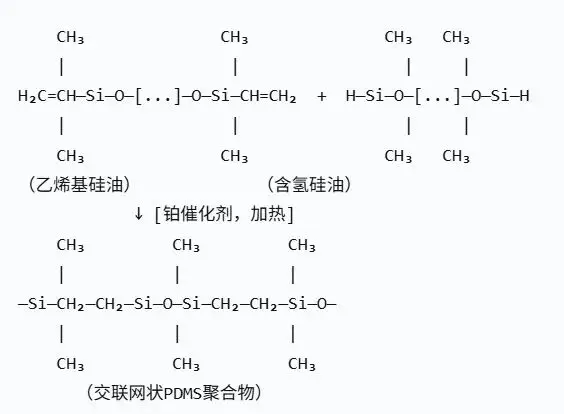
Resistant to aging and hydrolysis : The main chain of silicone is silicon-oxygen bonds, which are not easily hydrolyzed, whereas traditional PU leather easily hydrolyzes and sticks in hot and humid environments. Silicone leather has excellent resistance to yellowing, degradation, and hydrolysis, with tests showing its aging resistance to discoloration and fading at grade ≥4.
Wear resistance : Dow’s LuxSense silicone leather has been exceeded 50,000 times simulated occupant friction tests, far exceeding the national standard of 2000 laps, with outstanding wear resistance.
easy to clean and flame retardant
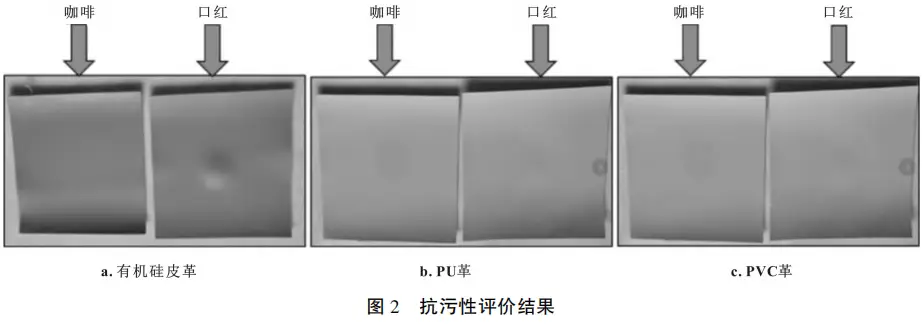
Easy to clean : Silicone has low surface energy, giving leather natural stain resistance. Whether it’s coffee, cosmetics, or ink, all can be easily wiped off with a wet wipe without leaving a mark.
Flame retardancy : Silicone itself has high flame retardancy and self-extinguishing properties. In case of fire, its surface forms an isolation layer to prevent the spread of flames, greatly enhancing vehicle safety.
Skin-friendly feel and design freedom
Beyond functionality, silicone leather makes no compromise on sensory quality. It has a delicate and skin-friendly feel similar to genuine leather, with good moisture permeability, avoiding the stickiness of summer sweating. Additionally, through multi-layer structural design (such as Guangzhou Linjun’s latest patent), silicone leather can achieve light transmission, meeting the needs of personalized, technological designs such as ambient lighting and pattern displays in smart cockpit environments.
| Characteristic dimension | Silicone leather | Traditional PU/PVC/Genuine Leather |
|---|---|---|
| Environmentally friendly and healthy | No harmful solvents or plasticizers, VOCs close to zero, and no odors | It easily retains solvents and volatilizes VOCs and odors at high temperatures |
| Weather resistance | Resistant to hydrolysis and UV yellowing, stable performance without fading | PU is easily hydrolyzed in humid and hot environments, while PVC easily hardens and becomes brittle |
| Stain-resistant and easy to clean | Low surface energy, easily wipes off coffee and ink | Stains easily penetrate and are difficult to clean |
| Wear resistance | Over 50,000 wear resistance tests, far exceeding industry standards | Standard standard, prone to wear and tear after long-term use |
| Flame retardancy | Inherently flame-retardant and self-extinguishing | Relying on flame retardants leads to reduced effectiveness over time |
| Tactile and design | Skin-friendly and delicate, supporting smart cockpit designs such as light transmission | The textures vary, but the design freedom is relatively low |
![Image [2]-Analysis of silicone leather applications in the automotive industry – Nleather-Nleather](https://www.nleather.com/wp-content/uploads/2026/07/20260726-171550-YmxF5-nleather-silicone-leather.png "20260726-171550-YmxF5-nleather-silicone-leather – Nleather")
Chemical Giants Dance Together with Specialized, Refined, Distinctive, and Innovative
The silicone leather industry chain has a typical “material-driven” characteristic, with extremely high technical barriers for upstream raw materials (silicone monomers, silicone rubber, etc.).
Upstream Leadership
With Dow Chemical (DOW) The international chemical giants represented by this are industry leaders. Dow not only possesses core technologies for liquid silicone rubber but is also deeply involved in downstream application development. In 2024, Dow announced a new round of mass production of its LuxSense silicone leather, now covering large areas of skin-friendly areas such as seats and armrests, marking the full maturity of this material technology and its capability for large-scale supply.
Midstream Manufacturing and Market Landscape
The global market concentration is high, with the top three manufacturers (including Shenzhen Saierkai, Guangzhou Silicon Chemical, and Dongguan Youmeite New Materials) accounting for about 52% of the market share. In the Chinese market, besides the HiPhi automotive supply chain, which closely cooperates with Dow, other new models have emerged Guangdong Tianyue New Materials, Si-TPV, Chengdu Guibao Technology and a group of strong local enterprises. These companies, leveraging their quick response to domestic automakers’ needs and cost control capabilities, have gradually emerged in the mid-to-high-end market./
Downstream Application Model
A significant industry transformation is the innovation of collaboration models. Represented by the cooperation case between HiPhi Auto and Dow, OEMs began bypassing Tier 1 suppliers and directly co-developing with materials science companies from underlying materials This model breaks the traditional linear chain of “OEM-Tier 1-raw materials,” defining material properties from the source, greatly shortening the time to use new materials, and creating a differentiated moat for products.
![Image [3]-Analysis of silicone leather applications in the automotive industry – Nleather-Nleather](https://www.nleather.com/wp-content/uploads/2026/07/20260726-171637-pHpFH-nleather-silicone-leather.png "20260726-171637-pHpFH-nleather-silicone-leather – Nleather")
The application of silicone leather in the automotive industry has moved from the concept introduction phase to a period of rapid growth. It is by its own use Healthy (zero odor, low VOC), durable (resistant to hydrolysis and weathering), functional (easy to clean and flame-retardant) Its outstanding performance across three major dimensions precisely addresses the core pain points of new energy vehicle consumers regarding a “healthy cabin” and a “luxurious feel.” With the release of production capacity from giants like Dow and the maturity of local supply chains, silicone leather is expected to evolve from a niche high-end optional material into an indispensable “green business card” for mainstream automotive interiors within the next 5-10 years, driving the automotive interior industry toward a more sustainable direction.

No comments yet