

Analysis of the classification, synthesis processes, and application fields of microfiber leather
Microfiber combination finished leather (abbreviated as microfiber leather) is a combination finished leather With physical properties close to natural leather and environmentally friendly features, they are widely used in modern industrial and consumer goods sectors. This article systematically explains the classification system, core synthesis technologies, and typical application scenarios of microfiber leather.
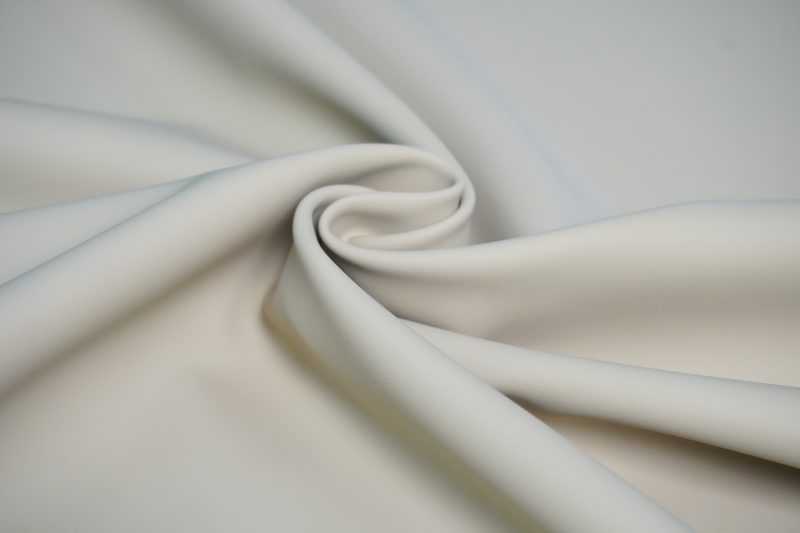
![Image [1]-Microfiber Leather: Stunning Innovation & Best Uses – Nleather-Nleather](https://www.nleather.com/wp-content/uploads/2026/07/20260726-154207-C7EAp-nleather-silicone-leather.png "20260726-154207-C7EAp-nleather-silicone-leather – Nleather")
Classification System of Microfiber Leather
The classification of microfiber leather is mainly based on material structure, production process, and functional characteristics, forming multidimensional technical classification standards:
Classification by substrate structure
| Type | Structural features | Typical applications |
|---|---|---|
| Island type | Ultrafine fibers are dispersed in the substrate in an “island” pattern | High-end footwear materials and bags |
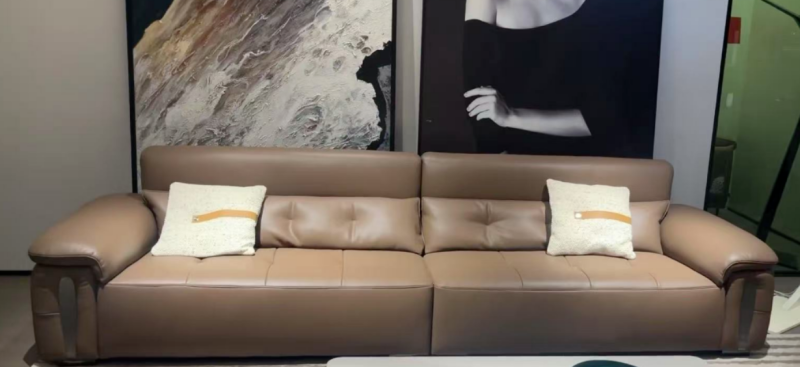
| Lobed type | Fibers are split into micron-sized sheets through physical/chemical treatment | Automotive interiors, furniture leather |
| Composite type | Multilayer composite structures (such as sandwich structures) | Special protective equipment |
Grading by fiber fineness
- Conventional superfiber : Fineness 0.1-1.0 dtex (fractional depth)
- Microfiber : Fineness ≤ 0.1 dtex
- Nano-sized fibers : Fineness ≤ 0.01 dtex (requires special spinning process)
Classification by functional characteristics
- Basic type : Meets conventional physical performance requirements
- Functional type : Adds waterproof, flame-retardant, and antibacterial properties
- Intelligent : Integrates temperature-sensitive color-changing and conductivity functions
Core Synthesis Process Flow
Microfiber leather manufacturing is a deep integration of polymer materials and textile technology, with the key process nodes as follows:
Fiber Preparation Stage
- Spinning technology : Using the melt spinning method, ultrafine fiber bundles (single filament diameter up to 5μm) are prepared through island-type spinnerets
- Fiber orientation control : Electrostatic fiber separation technology improves fiber arrangement uniformity
Substrate Forming Process
- Nonwoven fabric processing :
- Needle penetration density: 300-800 needles/cm²
- Hot pressing setting temperature: 180-220°C
Polyurethane impregnation :
- Uses wet solidification process, with porosity controlled at 40-60%
- DMF (dimethylformamide) concentration gradient control technology
Surface Treatment Technology
- Reduction treatment : Alkali reduction process dissolves “sea” components and releases ultrafine fibers
- Embossing treatment : 3D laser engraving technology achieves 0.1mm-level texture accuracy
- Functional coatings : Magnetron sputtering coating technology for nanoscale functional layers
Innovation and expansion in application fields
Traditional Advantageous Areas
- Automotive industry :
- Seat upholstery materials (wear resistance index≥ 50,000 Martindale tests)
- Steering wheel cover (friction coefficient 0.4-0.6)
- Replaces traditional PVC interiors, reducing weight by 30%
Fashion industry :
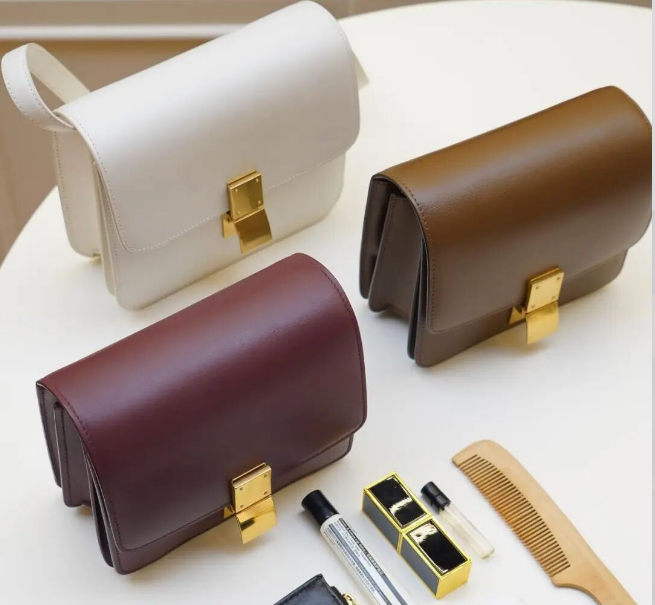
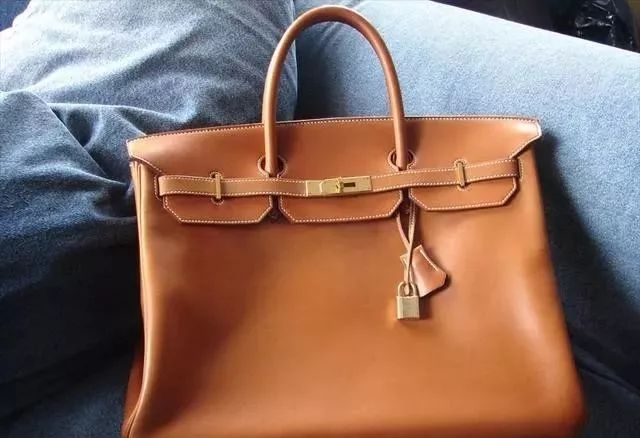
- Luxury handbag (tear strength ≥80N)
- Sports shoe upper (moisture permeability≥ 5000g/m²/24h)
Emerging Application Scenarios
- Medical field :
- Antibacterial surgical table coating (antibacterial rate >99.9%)
- Biodegradable wound dressings
Smart wearables :
- Flexible circuit substrate (surface resistance< 10Ω/sq)
- Pressure-sensitive sensing epidermis
Environmental protection sector :
- Water treatment filtration membrane (retention rate>95%)
- Lithium battery separator (controllable porosity)
Ultra-fiber leather is the third generation of fusion finished leather This represents breaking through the performance boundaries of traditional materials. With the interdisciplinary integration of nanotechnology, bioengineering, and other disciplines, superfiber materials will evolve toward “superperformance” and “environmental responsiveness” in the future, opening up new application spaces in cutting-edge fields such as aerospace and biomedicine. The industry needs to continuously optimize its full lifecycle environmental footprint and promote cooperation finished leather Technology is shifting toward a sustainable development paradigm.


No comments yet