

Solvent-free compound finished leather Overview of the situation
No solvent combination finished leather It is an environmentally friendly type made from polymer materials (such as polyurethane PU, polyvinyl chloride PVC, etc.) through solvent-free production processes artificial leather 。 Its core feature is that no organic solvents are used in the production process, reducing volatile organic compound (VOC) emissions at the source, aligning with the global trend toward green manufacturing. Compared to traditional solvent-based types, finished leather , solvent-free processes offer advantages in environmental friendliness, safety, and production efficiency.
![Image [1]-No Solvent Combination Finished Leather: Eco-Friendly & Game-Changing – Nleather-Nleather](https://www.nleather.com/wp-content/uploads/2026/07/20260726-150437-cM6s9-nleather-silicone-leather.png "20260726-150437-cM6s9-nleather-silicone-leather – Nleather")
Solvent-free synthesis finished leather Classification
Classified by production process
- Dry method solvent-free synthesis finished leather : Formed directly through a coating process, offering high wear resistance and surface texture, commonly used in high-end footwear materials and luggage.
- The wet method does not require solvents finished leather : Uses water-phase solidification to form a porous structure, offering better breathability, suitable for automotive interiors and clothing fabrics.
Classified by substrate type
- PU is solvent-free finished leather : Good flexibility and high realism, occupying the mainstream market.
- PVC solvent-free compounds finished leather : Low cost, strong weather resistance, but slightly less environmentally friendly than PU.
- Bio-based compound finished leather : Using renewable resources such as corn starch and algae as raw materials, representing future development directions.
Classified by functional characteristics
- Waterproof, antibacterial, flame-retardant, and microfiber faux leather, meeting different scenario requirements.
![Image [2]-No Solvent Combination Finished Leather: Eco-Friendly & Game-Changing – Nleather-Nleather](https://www.nleather.com/wp-content/uploads/2026/07/20260726-150504-kK82r-nleather-silicone-leather.png "20260726-150504-kK82r-nleather-silicone-leather – Nleather")
Main Application Areas
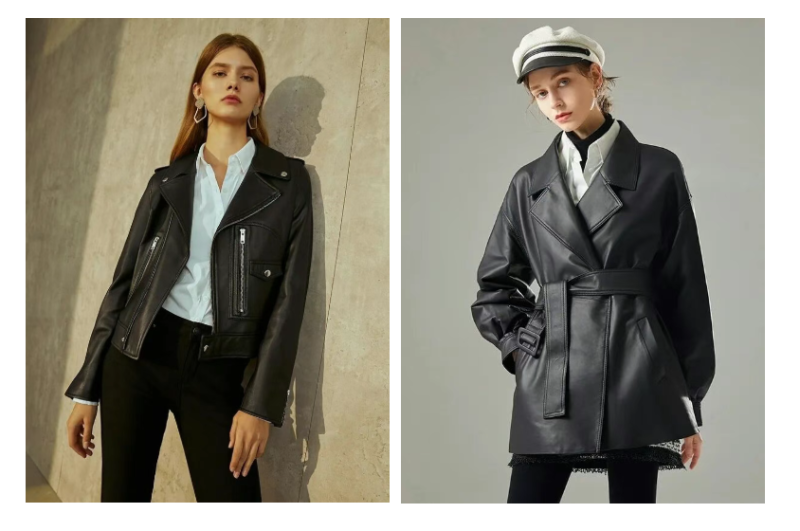
- Footwear and apparel industry : The upper material for sports shoes and casual shoes replaces genuine leather and achieves lightweight design.
- Furniture decoration : Sofa and seat surface coverings, combining aesthetics and stain resistance.
- Automotive interiors : Seat and steering wheel wrapping materials meet in-car low VOC standards.
- Electronic products : Phone cases and laptop protective cases, offering drop protection and personalized appearance.
- Medical and packaging : Disposable medical supplies and eco-friendly packaging materials, utilizing their non-toxic properties.
Advantages under the current economic situation
Driven by environmental protection policies
- Policies such as the EU Regulation on Registration, Evaluation, Authorization and Restriction of Chemicals (REACH) restrict traditional leather production and promote solvent-free synthesis finished leather Alternative demand.
- Chinese companies enter the international high-end market through green certifications (such as OEKO-TEX).
Improved cost competitiveness
- Solvent-free processes reduce solvent recovery costs and lower long-term energy consumption by 20%-30%.
- Improved raw material utilization (up to over 95%) to hedge the risk of price fluctuations in petroleum-based raw materials.
Consumption upgrade demand
- Gen Z’s preference for “cruelty-free” products is accelerating genuine leather substitution.
- Fast fashion brands use He finished leather Shorten supply chain cycles to meet high-frequency new product launch demands.
Supply chain resilience
- Break free from animal leather cycle constraints and stabilize responses to sudden events such as the pandemic.
- Meeting the cross-border e-commerce demand for lightweight and easy-to-warehouse logistics.
![Image [3]-No Solvent Combination Finished Leather: Eco-Friendly & Game-Changing – Nleather-Nleather](https://www.nleather.com/wp-content/uploads/2026/07/20260726-150533-qnPEX-nleather-silicone-leather.png "20260726-150533-qnPEX-nleather-silicone-leather – Nleather")
Risks and drawbacks
Technical bottlenecks
- High-end products (such as microfiber faux leather) still lag behind imported products in breathability and feel, with core process equipment relying on German and Italian technology.
- The weather resistance and cost control of bio-based materials have not yet reached the level of industrial mass production.
Market acceptance challenges
- Consumers’ cognitive bias toward “synthetic materials = low-end” still exists, limiting brand premium capabilities.
- Some automakers are aligning finished leather The long-term aging performance is conservative.
The recycling system is incomplete
- and abandoned the union finished leather Chemical recycling technology is not yet widespread, and landfill treatment may cause microplastic pollution.
- The lack of unified environmental certification standards puts companies at risk of “greenwashing” challenges.
No solvent combination finished leather Driven by stricter environmental regulations and a shift in consumer attitudes, it has become the core direction for upgrading the traditional leather industry. Despite facing pressure from technological iteration and shortcomings in the recycling system, it offers significant advantages in cost, sustainability, and supply chain stability. In the future, the industry will show a trend of “high-end + scenario segmentation,” and companies need to continuously invest in material innovation and brand building to cope with global market competition.



No comments yet