

Overview of Technical Processes
Bio-based leather is a leather alternative material manufactured through biotechnology. Its production process abandons the traditional slaughtering of animal leather and the reliance on petroleum-based raw materials for synthetic leather. The core processes are divided into the following categories:
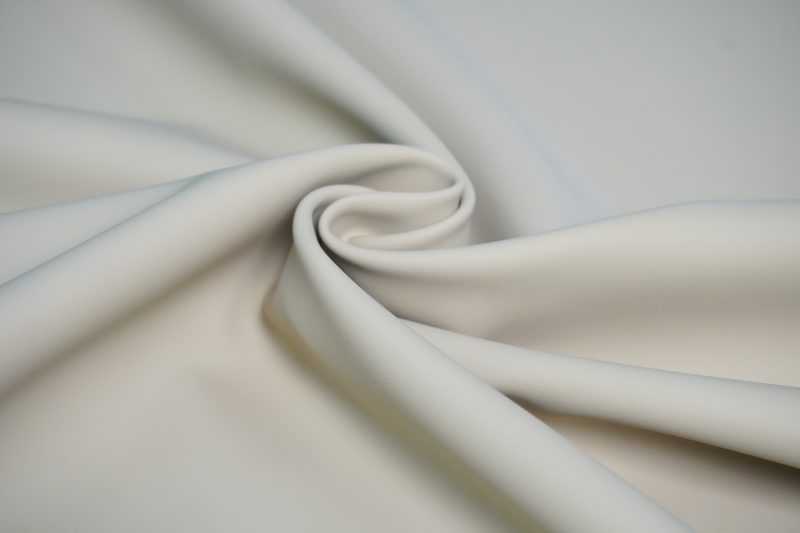
![Image [1]-Bio-Based Leather: Stunning Eco-Friendly Revolution Unveiled – Nleather-Nleather](https://www.nleather.com/wp-content/uploads/2026/07/20260726-160342-FWCuW-nleather-silicone-leather.png "20260726-160342-FWCuW-nleather-silicone-leather – Nleather")
Microbial fermentation technology
- Mycelium culture : Using mushroom mycelium (such as MycoWorks) grown in controlled environments to form a network fiber structure, which is then dried, pressed, and dyed into leather. This technology has a short cycle (about 2 weeks) and low resource consumption (using agricultural waste as the medium).
- Bacterial cellulose synthesis : Nano-scale fibrous membranes are formed by cellulose secreted by microorganisms such as Xylocebacterium (such as Modern Meadow’s Zoa™), which are highly strong and highly plastic.
Plant-based extraction and compounding
- Natural plant fiber recombination : Made from plant waste such as pineapple leaf fibers (Piñatex), apple pulp, and cactus (Desserto), it is processed into leather analogs through crushing, adhesive compounding, and coating treatments.
- Algae combined with biopolymers : Mixing algae extracts with degradable materials such as PLA (polylactic acid) to form composite materials that combine flexibility and environmental friendliness.
Cell culture technology
- Animal cell culture leather : By extracting animal stem cells (such as bovine cells) and proliferating and differentiating them in a bioreactor, a collagen layer is formed (such as VitroLabs technology), eliminating the need for animal slaughter and preserving the microstructure of traditional leather.
Analysis of Application Advantages
Outstanding environmental attributes
- Reduced carbon footprint : Compared to traditional leather, bio-based leather production can reduce carbon emissions by more than 85% (for example, mycelium leather); Plant-based materials can also absorb CO₂.
- Resource recycling : Reduce landfill pollution by using agricultural waste (such as pineapple leaves, apple pulp), aligning with the concept of a circular economy.
- Biodegradability : Most products can decompose naturally (such as Piñatex degrading within 6 months), avoiding microplastic pollution.
Performance innovation potential
- Customizable functions : By adjusting the strain, medium, or coating process, the thickness, texture, permeability, and even flame retardancy of the material can be controlled.
- Lightweight and durable : Some mycelium-based leathers have tensile strength exceeding traditional leather (such as MycoWorks’ Reishi™), and their weight is reduced by 30%.
Social value enhancement
- Animal welfare and ethical consumption : Meeting the needs of vegetarians and animal protection organizations, promoting the “cruelty-free” trend.
- Policy compliance : Complies with the EU’s Green Deal, China’s “dual carbon” goals, and other regulations, avoiding future environmental tax risks.
Existing Shortcomings and Challenges
Cost and scaling bottlenecks
- Microbial fermentation requires precise environmental control, high equipment investment, and mycelium leather costs about 2-3 times that of traditional leather (2023 data);
- Plant-based materials rely on adhesives (some contain PU), and fully bio-based formulations are not yet widespread.
Performance limitations
- Its abrasion resistance and weather resistance are inferior to top-grade animal leathers (such as Veg-tan cow leather ), Long-term use is prone to cracking;
- Some products have poor waterproof performance and require chemical coating treatment, which weakens their environmental advantages.
Lack of market awareness and standards
- Consumers are confused by the concept of “bio-based” and tend to associate it with it finished leather and confuse them as one;
- The lack of unified environmental certification standards (such as degradation conditions and carbon footprint accounting) has led to controversies over “greenwashing.”
Bio-based leather is currently in a critical transition period from “laboratory innovation” to “commercial implementation.” In the short term (before 2025), it will need to overcome cost and performance bottlenecks; in the medium term (2030), it may capture 10%-15% of the global leather market share; and in the long term, it will rely on disruptive advances in biomanufacturing technology (such as scaling up cell culture). Companies need to adopt a “layered strategy”: the high-end line focuses on environmental stories, while the mass line explores and integrates finished leather while also promoting industry standards to eliminate the “green trust deficit.” Against the backdrop of carbon neutrality goals intertwined with economic fluctuations, bio-based leather will become a benchmark track for the transformation of traditional materials.



No comments yet