

What is heavy leather?
Heavy leather is a major category in the leather industry, and is used for clothing and shoe uppers. light leather “Relative to each other. Its definition typically includes the following core metrics:
Thickness and weight : Traditionally, thickness exceeds 3 millimeters, and Each sheet weighs over 700 grams The leather is called heavy leather.
Tanning method : The vast majority of heavy leather is used Vegetable Tanning . Tannic acid (tannin gum) extracted from plants such as vividen, chestnut, and oak is used for tanning.
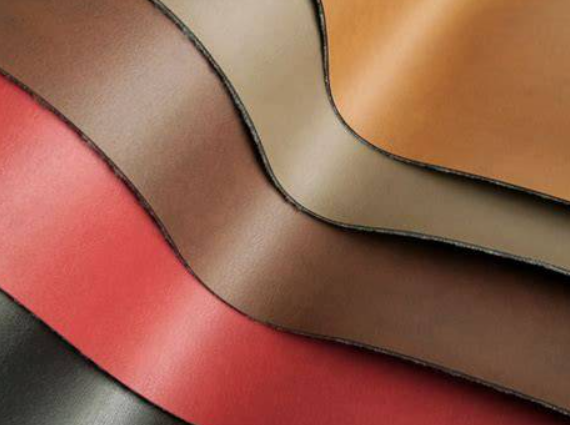
Appearance and feel : Heavy leather is usually undyed or only dyed in dark colors, preserving the natural leather texture. Its texture Extremely tough, thick, and full , with very high wear resistance and tensile strength.
Business Metrics : In commercial transactions, light leather Usually calculated by area (square foot), while renovation habits are done by area Weight (kg/ton) Calculation.
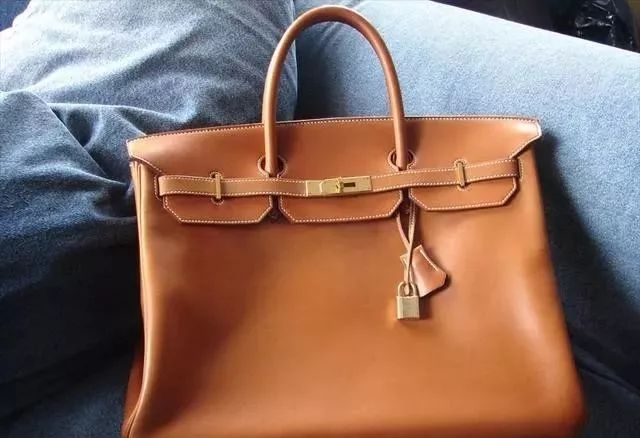
Typical uses : Due to its extremely high physical strength, heavy leather was initially mainly used in industrial transmission belts, military accessories (weapon belts, holsters), shoe soles, and labor protection supplies; Modern times have expanded to include Veg-tan Leather carving, handmade belts, pet collars, knife sheaths, and some furniture decorations.
![Image [1]-A complete analysis of the heavy leather production process – Nleather-Nleather](https://www.nleather.com/wp-content/uploads/2026/07/20260719-105122-d5A9n-nleather-silicone-leather.png "20260719-105122-d5A9n-nleather-silicone-leather – Nleather")
In-depth Analysis of Plant Tanning
The soul of heavy leather production lies in “tanning,” the process of transforming rotten hides into leather that never decays. Although the production cycle for heavy leather has been shortened from half a year in ancient times to under 30 days today, its core chemical principles remain unchanged.
Preparation Section (Pre-treatment)
Like all tanning processes, heavy leather also goes through steps such as soaking, depiling, soaking, de-ashing, and softening. Because heavy leather emphasizes thickness, It requires extremely high protection for the grain surface (surface). Therefore, the hair removal process usually uses the “hair-preserving hair removal method” to minimize damage to the skin.
Tanning Section (Core— Veg-tan )
This is the most critical part of heavy leather production, and also the technical challenge. According to process evolution, the main methods are as follows:
A. Traditional Pond Tanning (Countercurrent Method)
This is an ancient technique that uses the principle of “concentration difference.” The factory is equipped with a series of tanning pools with increasing concentration.
process : Naked hides enter from the low-concentration tank and gradually move toward the high-concentration pool; The tanning liquid flows in reverse from the high-concentration tank to the low-concentration pool.
Features : Extremely long cycle (3-6 months), finished leather The fullness is best, but it occupies a large area and has slow cash flow.
B. Quick tanning method (modern mainstream craft)
The process developed in the 1960s replaced static soaking by mechanical rotation (rotating drum), shortening the cycle to days or weeks.
Pretreatment : Because plant tannins penetrate slowly, the bare hide must be “broken by ring” before quick tanning. Commonly used Leaching acid (Acid Expansion Fibers), Chromium salt pretreatment Or Pretreatment of synthetic tanning agents , opening the channels for collagen fibers, allowing large molecules of tannin to penetrate quickly.
In his youth, he was skilled in bathing and tanning techniques : A small amount of high-concentration tanning liquid is used in the drum for rotational tanning. This process is highly efficient but requires extremely high technical control. Improper operation can easily cause “entrapment” or crease marks on the leather surface.
Half-speed tanning : Targeted industrial leather (Like a wheel.) belting leather ) is a compromise solution, Veg-tan The duration is about 12 days, balancing production efficiency and product quality.
Subsequent tidying section
After tanning, the heavy leather still goes through:
Keep going : Different from light leather Pursuing softness, heavy leather adds oil to enhance the effect Fiber slipperiness and flexural resistance , commonly used high-fat ingredients such as beef tallow and fish oil.
Drying and calendering : Heavy leather becomes very stiff after drying. To achieve a smooth surface and a firm body, you need to go through it Heavy leather rolling press Applying calendering treatment with pressure up to 8-30 tons, making the leather surface compact and glossy.
Waterproof treatment : According to the national standard GB/T 22891-2008, some heavy leather masks require waterproof performance testing to meet industrial waterproofing standards by filling with grease or chemical additives.
Analysis of Process Difficulties and Common Quality Issues
In actual production, heavy leather manufacturing faces many technical challenges, especially in the pursuit of “quick-tanning”:
| Quality issues | Analysis of the causes of emergence | Solution direction |
|---|---|---|
| Changing one’s body is like an empty pine | The raw leather fibers themselves are loose, or excessive swelling during the soaking process can cause severe fiber tearing. | Adjust the impregnation process and adopt selective depilation. |
| Low tanning coefficient / entrainment | Under the quick-tanning process, tannins penetrate the surface and combine excessively, but the interior is not fully bonded, resulting in a “leather wrap core.” | Control the pretreatment intensity and use small molecule synthetic tanning agents for pre-tanning |
| Surface scratches | Heavy leather is thick and hard, and when rotated in the drum, it rubs violently against each other, causing damage to the grain surface. | Improving the internal structure of the drum (such as adding buffers), or controlling drum speed and loading capacity |
| Insufficient tensile strength | Domestic tannin rubber quality fluctuates, or insufficient heating during the post-tanning stage, resulting in weak bonds between tannins and leather fibers. | Optimizing the heating curve using bonded tanning methods (such as chromium-plant bonding) |

No comments yet