

The term Nappa (also known as Napa) can be traced back to 1875 in Napa Valley, California, USA. Pioneered by Sawyer Tanners, it specifically referred to a type of lambskin tanned with vegetable tanning agents and alum salt, resulting in an extremely soft and delicate texture cow leather , mainly used for high-end gloves.
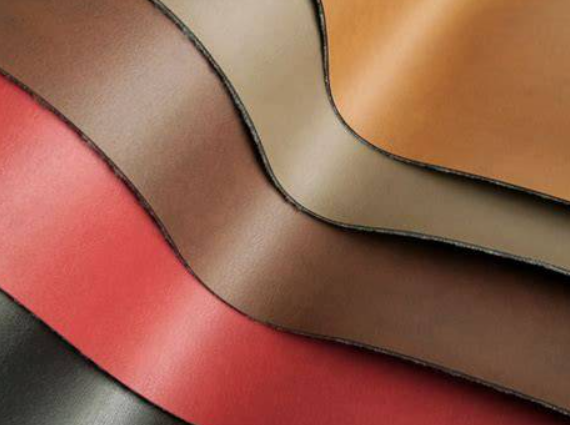
Nappa has broken free from strict process constraints. It no longer refers to specific raw materials (such as having to be small). cow leather ) or specific tanning agents (such as vegetable tanning agents), but rather a general term Soft to the touch, delicate texture The leather style. This has led to a wide variety of products on the market, such as retouched Nappa and nappa textured PU leather.
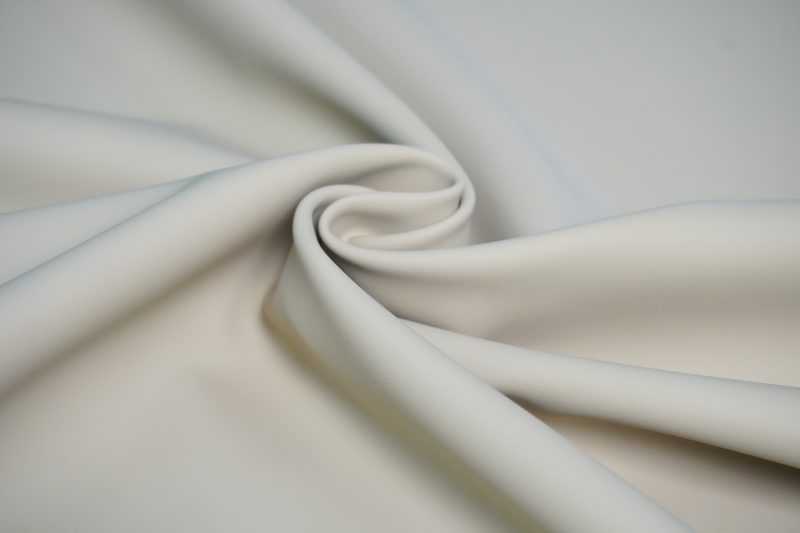
![Image [1]-A comprehensive analysis of Nappa leather – Nleather-Nleather](https://www.nleather.com/wp-content/uploads/2026/07/20260719-102939-VPiaQ-nleather-silicone-leather.png "20260719-102939-VPiaQ-nleather-silicone-leather – Nleather")
Production Techniques
The true reason Nappa craftsmanship is expensive lies in its production logic “Do subtraction ” , rather than “doing addition.”
| Process dimension | Traditional/premium Nappa process requirements | Logical analysis |
| Raw leather | Preferred is the European or North American bull head grain dough. | The young lord cow leather The fibrous structure is tight, pores are small, and there are few scars. Only flawless leather dares to be applied with a light finish. |
| Tanning and making | Traditional plant-based tanning agents or chromium-free tanning solutions. | Chrome-free tanning is designed to preserve the leather’s original springy, fleshy texture and avoid the stiffness that chrome tanning can cause. |
| Decoration | Ultra-thin coating ( | Nappa’s soul is “bare-faced.” Heavy finishing covers pores and causes the skin to lose its breath and elasticity. |
| Core indicators | Soft but not collapsed, elastic (often described as “fleshy” or “bouncy”). | Through rigorous retanning and grease processes, the leather fibers remain loose yet tightly connected. |
It is worth noting that as environmental regulations tighten, Chrome-free tanning Nappa It has become a technological frontier in the industry. For example, white wet leather produced using synthetic tanning agents like TWS can achieve not only a certain level of tanning after special re-tanning chrome tanned leather softness and drop resistance, and even more environmentally friendly, with a pure white color.
Identification Guide
Check the configuration list in small print / Ask “Is it a top-tier building?”
If the flyer says “Nappa genuine leather,” be sure to ask or check the detailed specifications: “ Is it whole grain or finished? Is it top-tier leather? ” The true top-tier Nappa is always at the top tier. If the salesperson is vague or answers “Nappa grade leather,” it’s most likely a two-layer or a combination finished leather.
Confirm “Coverage Area”
Many cars advertise “Nappa seats,” but in reality, only the part between the cushion and backrest is used; the side wings, behind the headrest, and under the seat are all included artificial leather 。 You can ask: “Is it fully wrapped in Nappa, or is it just the contact surface?” ”。
See the actual product / Feel it in hand
![Image [2]-A comprehensive analysis of Nappa leather – Nleather-Nleather](https://www.nleather.com/wp-content/uploads/2026/07/20260719-102906-KYNBn-nleather-silicone-leather.png "20260719-102906-KYNBn-nleather-silicone-leather – Nleather")
Performance Comparison
| Characteristics | Genuine Nappa leather | Microfiber/Synthetic Leather (Alternative) |
|---|---|---|
| Texture | It is warm, soft, and highly breathable | Cool, soft but lacking the “fleshy” support |
| Durability | They are more delicate, prone to scratches from keys or stains (like jeans), requiring regular maintenance | Highly wear-resistant, aging-resistant, and easy to clean |
| Environmental protection | Traditional chrome tanning is polluting, but now it is gradually being switched to chrome-free tanning | The production process is more controllable and relatively environmentally friendly |
| Trends | Moving towards chrome-free and lightweight finishes, returning to “natural authenticity” | The trend of “deanimalization” led by Tesla and others has seen continuous advancements in faux leather technology |


No comments yet