

Regarding the leather requirements for multifunctional luxury family seats in the automotive industry, based on mainstream market technologies and testing standards, the core requirements have evolved beyond the simple concept of “genuine leather” to a more proper Material grade, physical durability, chemical environmental friendliness, and everyday practicality Comprehensive and rigorous standards.
![Image [1]-Analysis of the leather requirements for multifunctional luxury family seats in the automotive industry – Nleather-Nleather](https://www.nleather.com/wp-content/uploads/2026/07/20260719-145500-ve433-nleather-silicone-leather.png "20260719-145500-ve433-nleather-silicone-leather – Nleather")
Luxury is no longer defined solely by the word “genuine leather,” but is determined by more refined craftsmanship and higher-standard raw materials. Here is the detailed analysis:
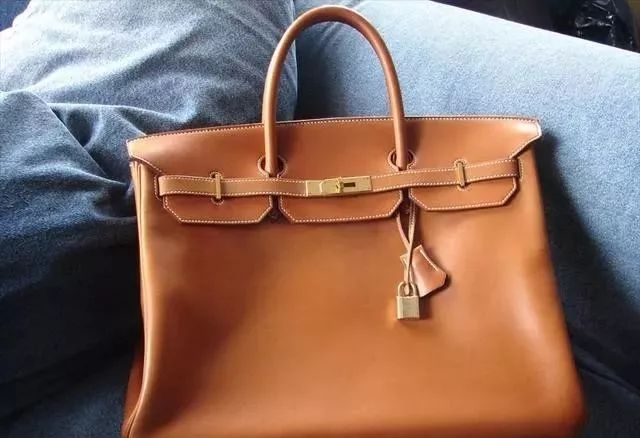
At the top of the “hierarchy” of luxury seats, Semi-aniline whole grain dermis It is currently recognized as a top-tier material, with requirements far higher than ordinary genuine leather or Nappa leather.
Top-quality raw material selection : Hemianline dermis has extremely strict requirements for the skin and is only selected Top-tier top layer with no scars or only subtle natural marks cow leather 。 This kind of thing cow leather Resources are scarce, reportedly every 10 top-tier cards cow leather Only one can be selected to meet the standards, and its raw material cost is more than three times that of ordinary polished genuine leather. It requires the first layer of the cow’s skin (top leather) to be tightly packed with fibers to ensure natural elasticity and tactile feel.
Ultra-light coating process : Unlike ordinary genuine leather that uses heavy coatings (like ‘foundation’) to cover flaws, semi-aniline leather uses an ultra-thin coating technology, with a coating thickness only that of Nappa leather 50% 。 This process is like a “no-face cream,” preserving it to the greatest extent cow leather Natural pores and texture create a skin-like delicate and breathable feel.
The true reality of Nappa : It is worth noting that the market-promoted “Nappa seats” are not the same as full leather. Nappa originally referred to a light coating technique, but it has now become generalized. Among many models, Only the core contact surface of the seat (about 30%-50%) uses top-layer Nappa leather , while non-contact areas such as the sides and back are used artificial leather (PU or microfiber leather) to control costs and enhance wear resistance.
![Image [2]-Analysis of the leather requirements for multifunctional luxury family seats in the automotive industry – Nleather-Nleather](https://www.nleather.com/wp-content/uploads/2026/07/20260719-145412-NcaUy-nleather-silicone-leather.png "20260719-145412-NcaUy-nleather-silicone-leather – Nleather")
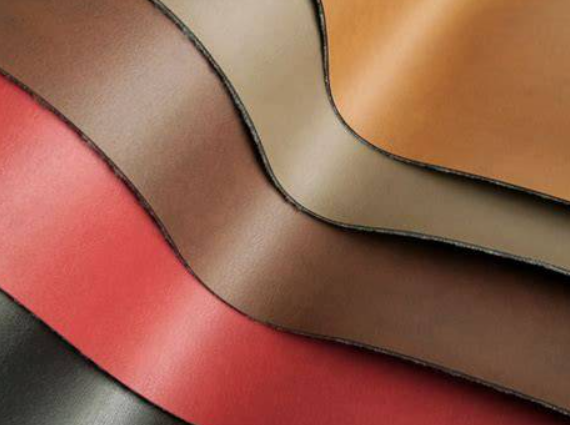
Luxury seats place specific quantitative requirements on the physical properties of leather to ensure long-term comfort and durability.
Breathability : Top-quality leather must maintain natural pores that are unobstructed. For example, semi-aniline is present in the dermis about once per square foot Nearly a million micropores , its breathability is about as good as Nappa genuine leather 30% , effectively solving the problem of long summer sitting and sweating, achieving a “natural air conditioner” effect.
Thermal comfort : Leather must adapt to extreme temperatures. Demand it be present Bends without cracks at low temperatures of -20°C , ensuring it doesn’t become hard or brittle during winter riding; It must also undergo high-temperature exposure tests to prevent cracking and deformation.
As household users become more health-conscious, in-car air quality (VOCs) and banned substances have become strict barriers.
Low VOCs and low odor : According to national standards GB/T 27630 and VDA 270 (German Automotive Industry Association standards), the odor grade of leather is usually required ≤ Level 3 (i.e., a noticeable odor but not pungent), and the content of volatile organic compounds such as formaldehyde and benzene compounds must be strictly controlled. International standards include: ISO 12219-11:2025 It also provides detailed methods for analyzing organic emissions from non-metallic materials (including leather).
Hazardous substance limits :
Flame retardancy : Must meet the GB 8410 standard, i.e., horizontal combustion rate ≤100mm/min , and no molten drips to ensure safety.
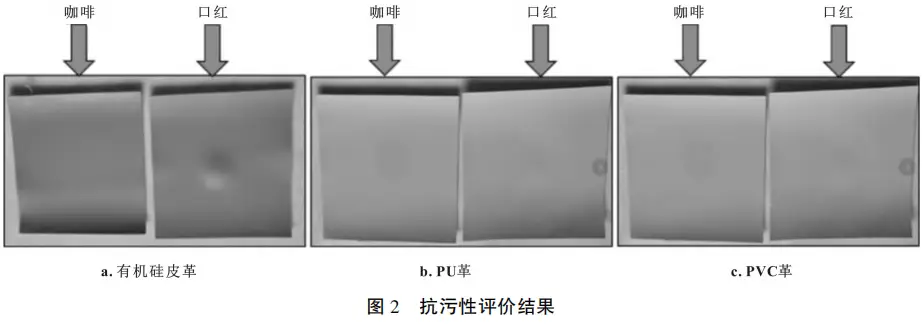
For family users (especially those with children and the elderly), luxury seat leather must have excellent stain resistance and easy cleaning, which has been a key focus of recent technological upgrades.
Patented anti-fouling technology Some top-tier leathers (such as Savannah genuine leather from Eagle Leather Water) use patented anti-stain technologies (such as Ansoleum ), forming an invisible protective layer on the dermis surface.
Easy to clean : This technology allows the leather to effectively prevent stains from penetrating. Even if it spills out Coffee, juice, grease Users can easily wipe it off with a damp cloth dipped in soapy water, leaving no stubborn marks and greatly reducing the maintenance cost of household car interiors.
the leather requirements for multifunctional luxury family seats in the automotive industry can be summarized in the following table:
| Dimension | Core requirements | Key indicators/technologies |
|---|---|---|
| Material grade | Top-quality raw materials and craftsmanship | Semi-aniline whole grain dermis and top layer cow leather , Ultra-light coating (50% thickness) |
| Physical properties | Skin-friendly, breathable, and durable | Million-level micropores (+30% breathability), low-temperature resistance (-20°C), wear resistance (≥50,000 cycles) |
| Safe and environmentally friendly | Healthy, harmless, and low odor | Low VOCs (odor ≤grade 3), low formaldehyde (≤75mg/kg), flame retardant (≤100mm/min) |
| Practical for home use | Stain-resistant, easy to maintain, worry-free, and durable | Patented anti-stain technology (Ansolé), easy to clean (soapy water can wipe off beverage stains) |


No comments yet