

![Image [1]-A comprehensive analysis of Patina leather’s hand-gradient dyeing technique – Nleather-Nleather](https://www.nleather.com/wp-content/uploads/2026/07/20260719-083845-wFHHT-nleather-silicone-leather.png "20260719-083845-wFHHT-nleather-silicone-leather – Nleather")
This term originates from Italian, originally referring to the ancient luster formed by long-term oxidation and wear of metal or wood. In leather craftsmanship, Patina specifically refers to the technique of artisans using hand-brushing to create color gradients and layering on uncoated natural leather 。 It mimics and accelerates the natural aging process of leather, creating a captivating color in a new pair that seems to take years to develop.This is far beyond the uniform color blocks of machine printing. Every stroke of brush depth and color transitions is the craftsman’s creative moment, giving the product its soul and making it one of a kind.
A complete analysis of the core process flow
The birth of Patina is a ritual that tests patience and aesthetic sense, typically involving the following key steps:
Prepare the canvas: select the leather
Not all leathers are suitable. It must be selected Unpainted natural or white benzene-dyed leather , such as Berluti’s famous Venezia leather. This type of leather has no coating layer to cover pores, resembling a blank sheet of paper, which maximizes dye absorption and presents delicate layers. The leather itself must be tight and flawless; otherwise, a thin layer of dye cannot cover the defect.
Base treatment: Thorough cleaning
Before formal dyeing, the leather surface must be thoroughly wiped with cleaning detergent to remove all silicone oil, dust, and factory wax, ensuring that subsequent dyes are evenly absorbed. This is the foundation for dye fastness and color purity.
Color creation: multi-layer light dyeing
This is the soul of Patina’s craftsmanship, with the entire process completed entirely by hand.
Polishing and coloring: grinding and protection
Once the color is finished, repeated polishing is needed to fix the color and give the leather a deep sheen.
Horween Chromexcel (CXL) vs. Patina
| Characteristics | Horween Chromexcel (oil-tanned leather) | Patina (Handmade Gradient Dyeing) |
|---|---|---|
| Core processes | Combine tanning + soaking in hot oil (Mainly chemical/mechanical) | Hand-brush dye + multi-layer grading (Mainly artistic creation) |
| Visual effects | Single-color with an oily waxy surface that develops “tea core” and scratches with use | Two-tone or multicolor gradients, with a sense of layering and brushstrokes like oil painting |
| Core competencies | Excellent waterproofing and durability, soft and comfortable | Ultimate artistic expression and personalization, truly one of a kind |
| Requirements for leather | It requires high standards for the leather itself, but the coating layer is relatively thick to cover defects | Extremely high , requiring a flawless, original leather surface |
| Main applications | Work boots, belts, leather goods (emphasizing functionality and durability) | Formal shoes, high-end leather goods (emphasizing aesthetics and uniqueness) |
Application scenarios: not just shoes
Although Patina is most commonly used in high-end handmade leather shoes, its applications have become very widespread: Gentlemen’s shoes From Oxfords and Derby shoes to loafers, Patina highlights its elegant silhouettes. Brands like Berluti even offer “full color palette” customization, allowing customers to choose poetically named shades ranging from “Tobacco” to “Shanghai Night.”
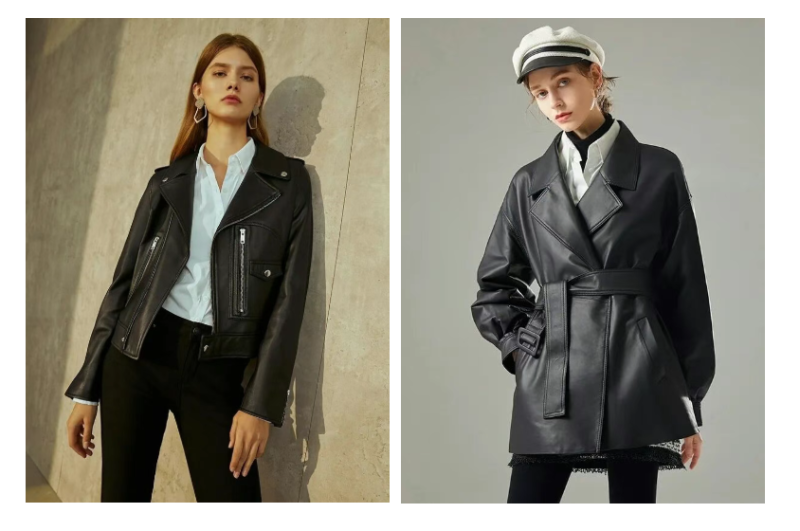
Leather clothing and small leather accessories : wallets, watch straps, card holders, etc. For example, some brands have launched handmade gradient watch bands, each with a unique texture and color transition.
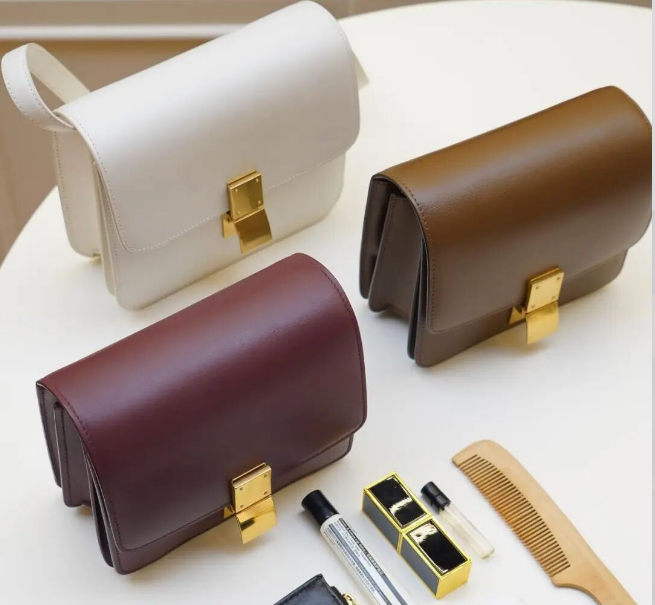
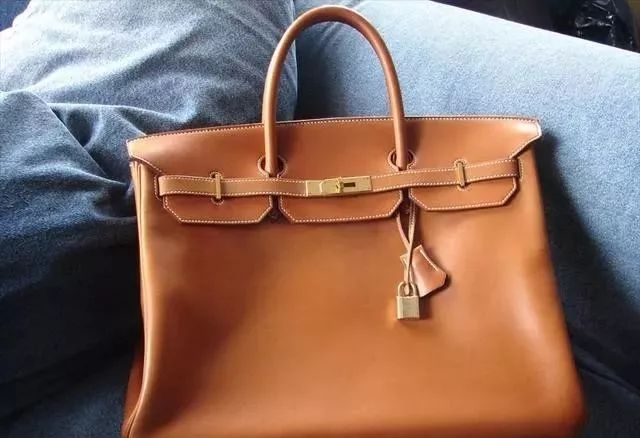
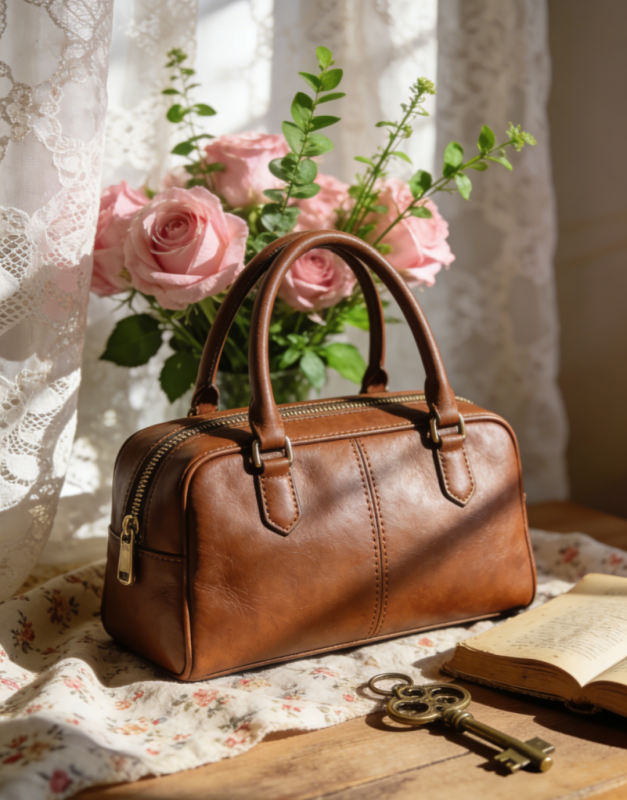
High-end handbags : From briefcases to tote bags, Patina dyeing instantly transforms what was once a plain bag into a work of art.

No comments yet