

TPO is gaining momentum as a go-to material for modern automotive interiors. Its standout strengths are threefold: it’s solvent-free, low in odor, and fully recyclable—making it a perfect match for today’s push toward healthier, eco-friendly cabins. Against traditional materials like PVC and PU leather, TPO also pulls ahead with superior resistance to aging and scratching, all while enabling a lighter-weight design.
![Image [1]-TPO Automotive Interiors: Stunning Eco-Friendly Cabin Upgrade – Nleather-Nleather](https://www.nleather.com/wp-content/uploads/2026/07/20260719-103821-iagtw-nleather-silicone-leather.png "20260719-103821-iagtw-nleather-silicone-leather – Nleather")
Process Flow
TPO (Thermoplastic Polyolefin) is manufactured through a clean production process that completely eliminates the need for solvents. The two primary production methods are rolling and extrusion, with the automotive interior industry predominantly relying on extrusion combined with embossing techniques.
Mixing & Compounding
Polypropylene, elastomers (POE/EPDM), calcium carbonate filler, additives, and colorants are precisely proportioned and blended in a high-speed kneading machine. This initial step ensures all components are uniformly distributed while preheating and partially plasticizing the material, setting the stage for consistent quality downstream.
Plasticizing & Extrusion
The blend then enters a mixer or twin-screw extruder, where it undergoes intense shearing at 160–210°C. The polymers fully melt and fuse into a homogeneous melt. This is the critical phase where TPO achieves its signature “rigidity–toughness balance”—the elastomer phase is dispersed down to the nanoscale within the polypropylene matrix. Exciting advances in recent years have introduced in-situ intercalation polymerization: by embedding catalysts directly between inorganic filler layers, manufacturers can create nanocomposite structures that dramatically boost overall performance.
Calendering / Extrusion into Film
The molten material is shaped into films of precise thickness and width—either pressed through multi-roll calenders (typically four or five rollers) or extruded through T-shaped dies into flat sheets. This stage supports a variety of constructions, from straightforward single-layer skins to advanced A/B double-layer structures (for example, a scratch-resistant surface layer combined with a high-elasticity or foam-backed intermediate layer), made possible through multi-layer co-extrusion technology.
Adhesion & Foaming – Backing Lamination
To elevate tactile feel and tear strength, the TPO surface layer is typically laminated with a backing fabric or foam layer. This bonding step integrates the skin with its supporting structure, enhancing both comfort and durability in the final product.
| Core components | Material type | Effects on Function and Performance |
|---|---|---|
| Matrix resin | PP (Polypropylene) | Provides skeleton support, heat resistance, and machining fluidity. High melt strength PP ensures it does not crack even under deep stretching 。 |
| Elastomer phase | POE / EPDM | Provides flexibility, elasticity, and cold resistance. Rubber and plastic ratio These are key parameters. For example, a 35/65 rubber-to-plastic ratio can achieve a good balance between tear strength and compatibility |
| Filler | Calcium carbonate, talc powder | Reduce costs, improve dimensional stability and heat resistance, and control glossiness |
| Functional additives | Scratch-resistant agents, light stabilizers | Determine surface scratch resistance and weather resistance, ensuring a grayscale level ≥ 4 after UV aging |
| Eco-friendly materials | Bio-based raw materials | The latest trend is the adoption of Bio-rTPO/Bio-EPDM to reduce carbon footprints, but compatibility must be considered |
Advantages and Technical Challenges
Environmentally friendly and non-toxic : No organic solvents (such as DMF) are added throughout the entire production process, VOC content is extremely low, and odor levels can reach below 3.5. Incineration does not produce dioxins (distinct from PVC), meeting circular economy requirements.
Weather resistance and endurance : Extremely resistant to hydrolysis (unlike PU, which hydrolyzes), excellent cold resistance (remains flexible at -40°C), and good heat aging resistance (does not discolor at 100°C).
Lightweighting : Density is usually lower than PVC and PU (about 0.9-1.1 g/cm³), helping vehicles reduce weight and save energy.
Tactile and Exterior Appearance : Achieves extremely low gloss (matte finish), feels dry and non-sticky, and resists precipitation (unlike PVC plasticizers, which migrate).
Scratch resistance issues :TPO has a softer surface hardness and is prone to scratches.
Odor issues Polyolefins themselves have low odor, but small molecules such as antioxidants during processing may produce off-flavors.
Base fabric bonding : Polyolefins are inert materials that are difficult to bond firmly with glue or backing foam.
Application Fields
Automotive interiors : This is currently the largest market for TPO transformation.
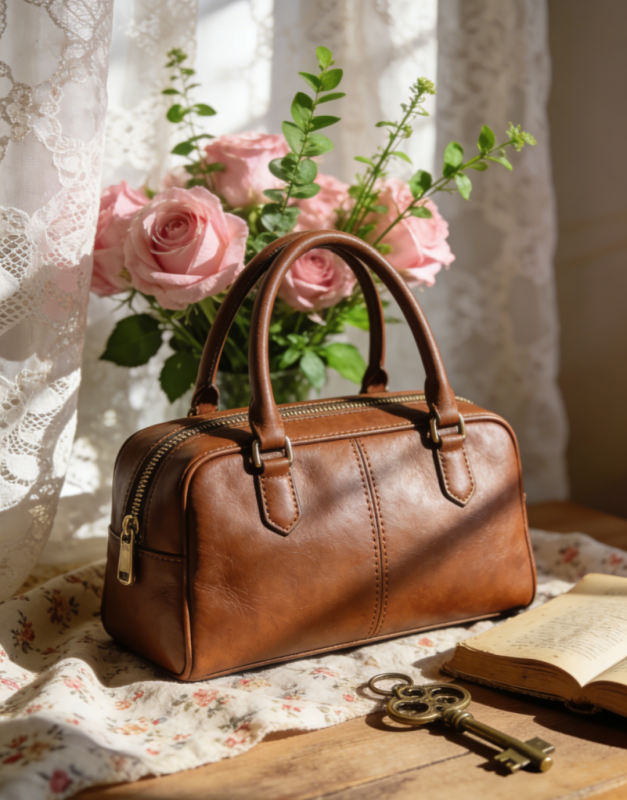
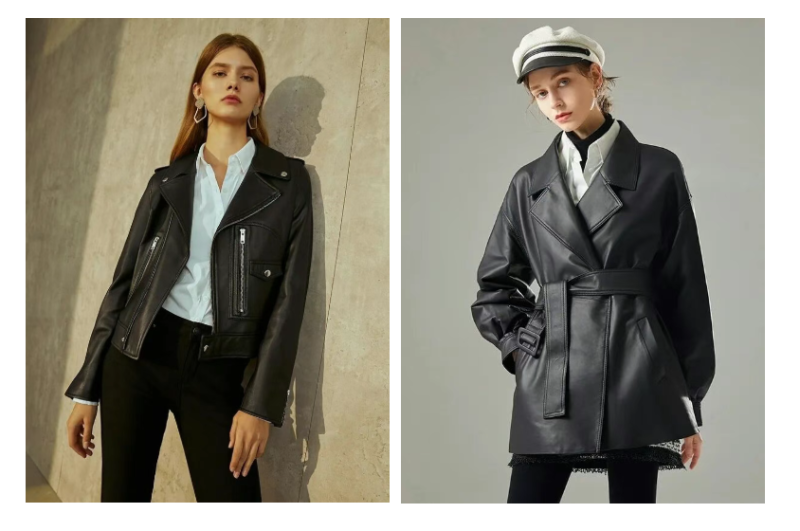
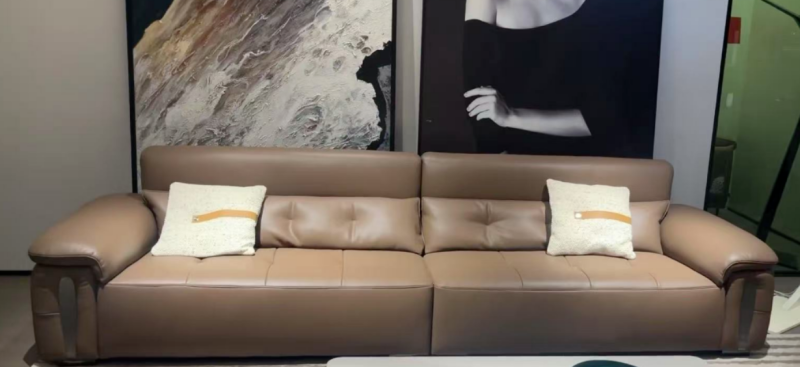
Other fields : High-end luggage, medical mattresses, outdoor furniture, and other fields with high environmental protection and weather resistance requirements.


No comments yet