

Prevent Leather Mold: Essential Tips for Pristine Leather
leather mold prevention: Essential Anti-Mold Secrets
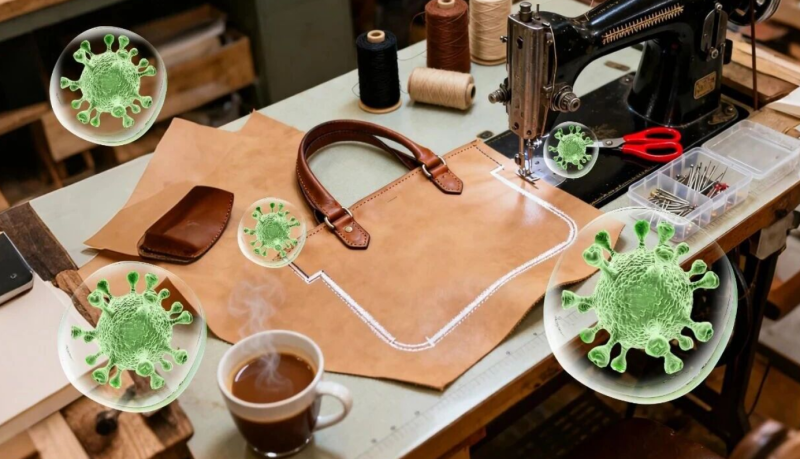
Once leather bags get moldy, it not only affects their appearance but also damages the material. In fact, mold growth is the result of multiple factors. Mastering the key points of mold prevention is essential to keep your luggage away from mold.
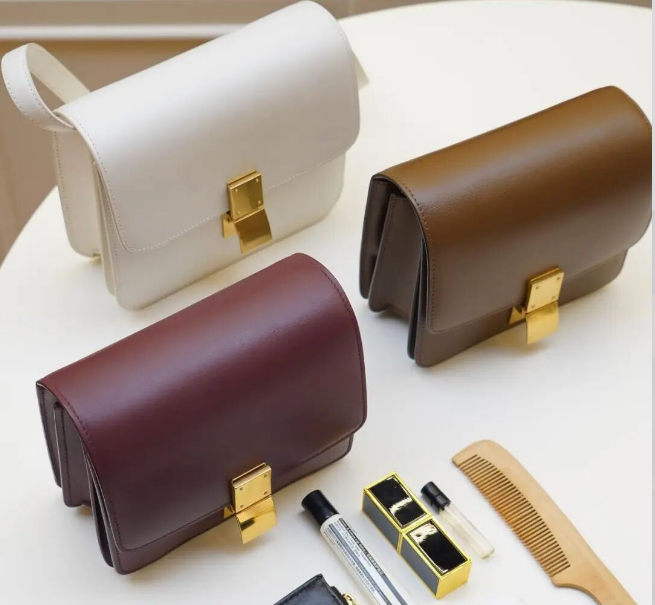
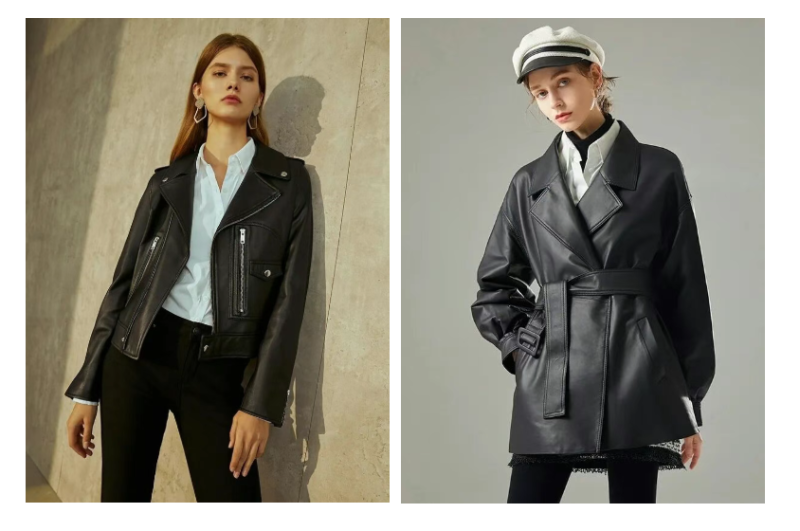
![Image [1]-leather mold prevention: Essential Anti-Mold Secrets – Nleather-Nleather](https://www.nleather.com/wp-content/uploads/2026/07/image-78-1024x587.png "image – Nleather")
Why are leather bags more prone to mold?
Because leather bags are naturally composed and rich in nutrients, they are more susceptible to moisture during storage and inbound and outbound processes, especially under poor ventilation conditions, where leather bags are more prone to moisture and mold. In addition, improper use, expired, or exposed handling of desiccants makes it difficult to provide a relatively dry environment for leather bags.
Leather itself is rich in nutrients
Leather bags are usually made from natural leather, such as: cow leather , sheepskin, etc. These leathers are rich in protein, fat, and grease, making them ideal sources of nutrients for mold growth. Even the lining inside the bags and the glue used for bonding are ‘food’ favored by mold.
Warehouse humidity and ventilation conditions
Humidity is a key factor in mold growth. If warehouse humidity remains above 70% for a long time or ventilation is poor, mold spores in the air can easily attach to and multiply on the leather surface. A humid environment allows leather to absorb moisture, leading to rapid mold growth. For example, during the rainy season or in humid southern regions, when warehouse moisture prevention measures are insufficient, the risk of mold on luggage increases significantly. In addition, condensation caused by large temperature fluctuations is also one of the causes of mold in bags.
Hidden dangers in warehousing, production, and storage stages
(1) Strict inbound screening was not conducted, as raw materials may carry mold spores upon arrival; or failing to follow the first-in, first-out principle, with finished products piled for long periods;
(2) Failure to strictly follow warehouse storage and storage rules, resulting in mixed goods, long-term wall stacking, direct floor storage, etc., which easily absorb moisture from the surrounding environment.
(3) Packaging bags before they are completely dry, or packaging materials such as shoe stoppers may become damp, resulting in residual moisture inside the packaging;
(4) If cleanliness is not maintained during production, dust, sweat, stains, etc. can easily adhere to the leather surface. These pollutants not only provide attachment points for mold but also absorb moisture from the air, creating localized high humidity environments that promote mold growth;
Improper use of desiccant
Many manufacturers place desiccants inside their bags, but most are “symbolic” and have not scientifically calculated how many packs of desiccants are appropriate. Desiccants have limited moisture absorption and can easily saturate and fail when used in large bags, high humidity, or long-term replacement, causing moisture inside sealed bags to be unable to escape, greatly increasing mold risk.
How to prevent it
To prevent leather bags from becoming damp and moldy, you can focus on the following steps, including: raw material control, production control, packaging control, and warehousing prevention.
Raw material control
Carry out the three steps of “selection, storage, and inspection”: prioritize materials that have undergone anti-mold treatment; Moisture should be checked before raw materials are stored; moisture-sensitive raw materials must not be stored; Store in a dry, ventilated warehouse, away from floor walls, and inspect regularly.
Production control
(1) Hygiene Training: Regularly organize employees to participate in moisture and mold prevention training to raise awareness of mold hazards, master correct operating procedures, and cleaning and disinfection methods;
(2) After production, the bags must be thoroughly dried before packaging. Genuine leather bags should be air-dried or dried at low temperature to ensure no moisture remains.
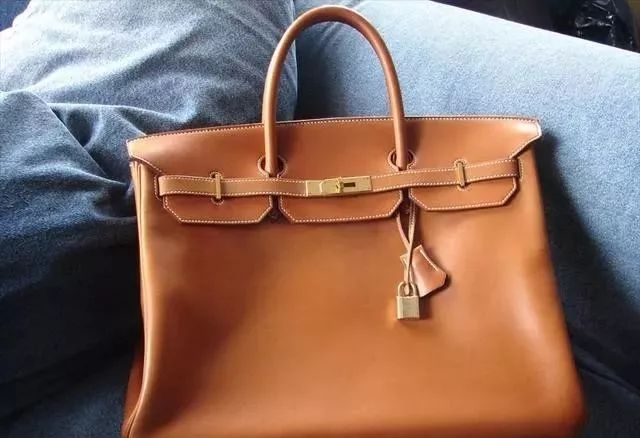
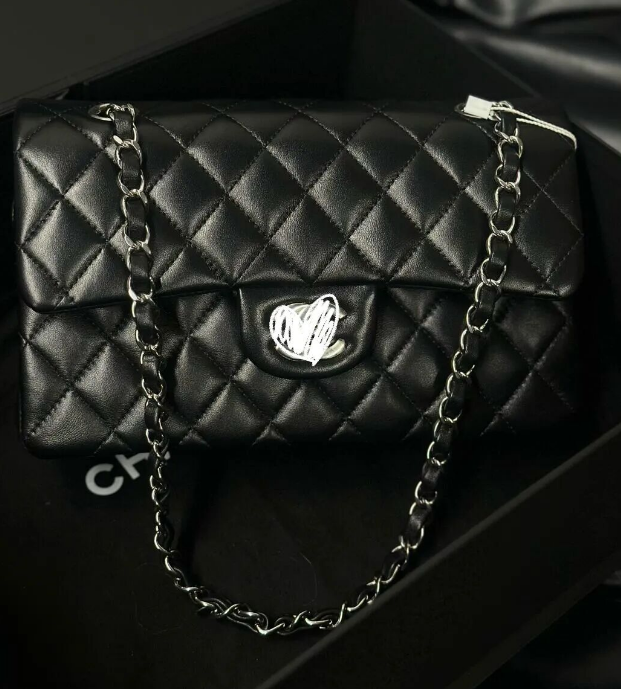
![Image [2]-leather mold prevention: Essential Anti-Mold Secrets – Nleather-Nleather](https://www.nleather.com/wp-content/uploads/2026/07/image-77-1024x536.png "image – Nleather")
When packaging products, pay attention to moisture and mold prevention
(1) Select breathable and moisture-proof packaging materials;
(2) Dry packaging: Place the required amount according to the volume of the luggage Topone Nano Desiccant , ensuring sufficient moisture absorption;
(3) Anti-mold packaging: Matched CASANO anti-mold patch , preventing mold before it happens. The anti-mold agents on the surface of CASANO anti-mold patches can quickly penetrate mold cell membranes, destroy DNA, break down proteins, and release the anti-mold agents on the inner layer slowly, providing dual protection and enhancing overall anti-mold effects.
Warehousing prevention
(1) Warehousing goods must follow the first-in, first-out principle to prevent goods from being stored in the warehouse for extended periods, which increases the risk of mold;
(2) Keep the warehouse dry and well-ventilated, keeping workshop humidity between 50%–60% and temperature between 20°C and 25°C. If necessary, dehumidification equipment can be installed, or optional TopOne Calcium Chloride Dehumidifier Bag Control storage humidity; Close doors and windows on rainy days;
(3) Regularly disinfect the production environment and equipment, promptly clean up waste, and maintain the cleanliness of the production workshop;
(4) Store finished bags away from floors and walls, avoid direct contact with the floor, and leave sufficient ventilation spaces;
(5) Regularly inspect and replace saturated desiccant; immediately isolate the mold spots on the bag to prevent spore spread.


No comments yet