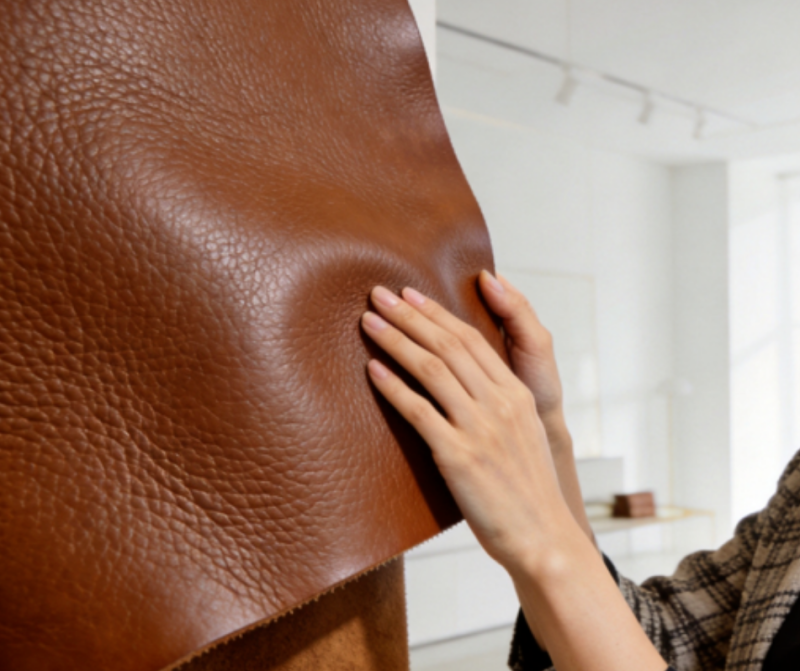


Whether it’s an expensive genuine leather bag, commonly worn shoes, or a comfortable leather sofa, once mold spots appear, they not only look unpleasant but can also harden and crack the leather, causing pain and hardness to repair. In fact, leather mold is closely related to environmental humidity and cleaning care. As long as you follow these points, your leather products can stay clean and fresh no matter the season.
![Image [1]-Prevent Leather Mold: Essential Tips for Pristine Leather – Nleather-Nleather](https://www.nleather.com/wp-content/uploads/2026/06/image-190.png "image – Nleather")
Controlling environmental humidity to leave mold “nowhere to settle”
Mold prefers environments with humidity above 60%, so Keep dry It is the core of prevention.
• Places where leather is stored (wardrobes, shoe cabinets, storage rooms) should be ventilated and avoid prolonged tight closure. You can put several reusable moisture rep’s agents in your pocket and check and replace them regularly (clumps mean you’ve absorbed enough moisture).
• In humid southern regions or during the rainy season, place a small dehumidifier in storage to keep humidity around 50%, reducing mold growth at the source.
• Keep leather furniture (such as sofas and chairs) too close to windows to prevent water seepage and splashes on rainy days, and avoid placing them in areas directly exposed to air conditioners or humidifiers, as sudden dryness and humidity can damage the leather.
Daily cleaning is thorough, leaving no “food for mold”
Dust, sweat, food residues, and other residues remain on the leather surface and, over time, become “nutrients” for mold, so they are essential Clean up promptly 。
• Simply wipe after daily use: use a soft dry cloth (for example, chamois leather Cloth or glasses cloth) gently wipe the leather surface to remove dust and fingerprints, especially on frequently touched areas like bag handles and shoe heels, to avoid sweat residue.
• Regular deep cleaning: Once a month, use a specialized leather cleaner (depending on material, gloss or suede leather) dilute according to instructions, then gently wipe with a soft cloth, then wipe clean with a dry cloth, and finally dry in a ventilated area.
• Do not scrub special stains forcefully: If it gets on oil or drinks, first use a dry cloth to absorb the liquid, then treat with the appropriate cleaning agent. Do not rinse directly with water or scrub vigorously with a stiff brush to avoid damaging the skin.
Only with proper storage methods can leather “rest peacefully”
When not used for a long time, Storage method If you get it wrong, mold spots can easily form.
• Don’t seal with plastic bags: Plastic bags are not breathable and trap moisture inside. Use a breathable cotton bag or dust cover instead, which prevents dust and ventilation.
• Maintain shape and prevent moisture: When storing the bag, stuff clean white paper or cotton balls inside (don’t use newspaper, as it may stain) to hold up the shape while absorbing moisture; Place shoe supports on your shoes to prevent the upper surface from sagging and accumulating moisture.
• Regularly “dig it out for air”: Even if you don’t use it often, it’s recommended to take the leather product out every 1-2 months and let it air out in a cool, ventilated area for 1-2 hours to let it “breathe” and check for signs of moisture.
Different materials provide “symptomatic maintenance” to extend service life
The types of leather are different, Key Maintenance Points It’s also different—if you get it wrong, it could backfire.
• Glossy leather (most bags and shoes): After cleaning, apply a thin layer of leather care oil to form a protective film, which prevents cracking and reduces moisture penetration (be sure to apply first on inconspicuous areas to avoid staining).
• Suede/Suede (suede shoes, bags): Do not wash with water! Use a dedicated soft brush to comb surface dust, spraying a layer of waterproof and anti-stain spray to reduce liquid penetration and lower the risk of mold.
• Veg-tan Leather (natural bags, belts): This type of leather easily absorbs moisture and discoloration, so avoid contact with water and oil. When not in use, keep it in a dry place and apply it appropriately Veg-tan Leather maintenance oil to enhance waterproofing.

No comments yet