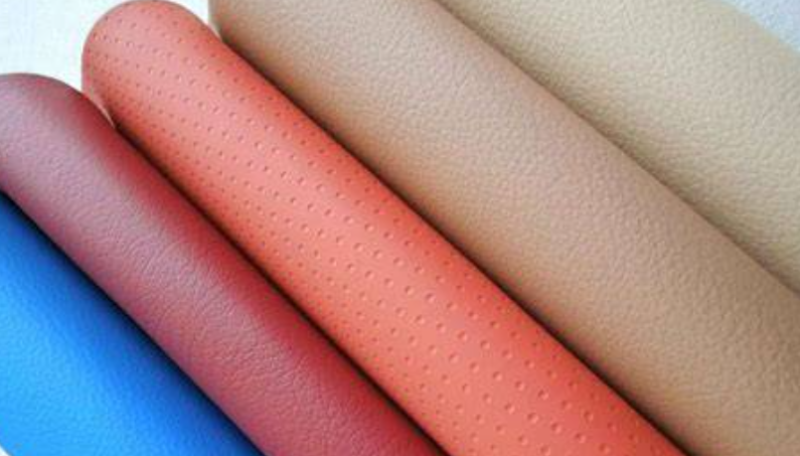


Microfiber leather is created by combining bundled ultrafine fibers with polyurethane through a specialized manufacturing process. The result is a material that delivers impressive performance: high tear and tensile strength, excellent fold and cold resistance, strong mildew resistance, and a thick, full finish that closely mimics natural leather. It also offers low VOC (volatile organic compound) emissions and an easy-to-clean surface, making it a popular choice across a wide range of applications—from clothing jackets and furniture upholstery to car seats, gloves, decorative soft wraps, shoe materials, electronic device cases, and everyday consumer goods.
![Image [1]-phenolic yellowing prevention: Effortless Protection for White Leather – Nleather-Nleather](https://www.nleather.com/wp-content/uploads/2026/07/image-68.png "image – Nleather")
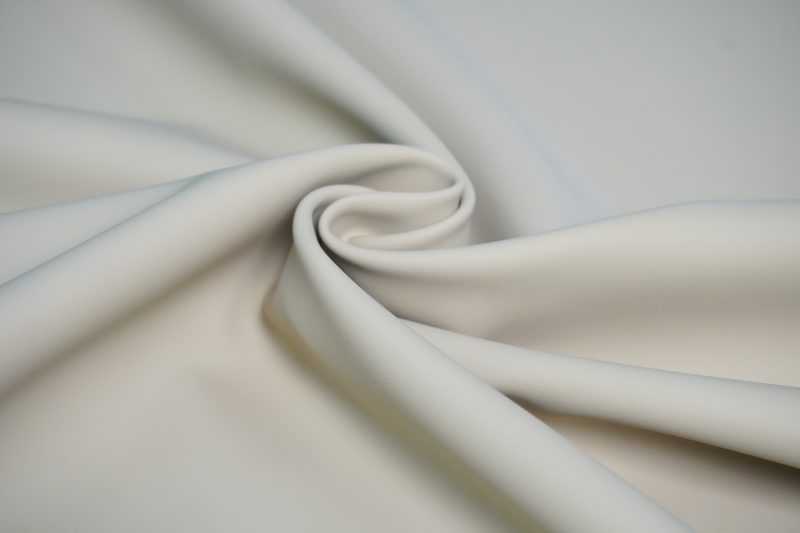
However, despite these strengths, microfiber leather does have a notable weakness—especially in white or light-colored varieties. Over time, these lighter shades can develop a yellow tint, which detracts from both appearance and durability. This yellowing is largely driven by environmental exposure. Substances in the air such as nitrogen oxides, ozone, and BHT can trigger discoloration. We recently received a customer pain point that highlights this exact challenge: the white microfiber leather used in car seats was yellowing, and testing confirmed the cause was phenolic yellowing from BHT. In the experiments below, we’ll show you how microfiber leather can be protected against phenolic yellowing.
Experimental Objectives:
Identify the causes of yellowing in microfiber leather and evaluate prevention methods.
Experimental Fabric:
White microfiber leather
Experimental Products:
Anti-phenolic yellowing agent GRISEX® G-3205A
Testing Standards:
GB/T 29778-2013 Phenolic yellowing test: 50°C × 16 hours
Experimental Process:
Immersion and padding with 50 g/L of anti-phenolic yellowing agent GRISEX® G-3205A, liquid retention rate 30%, drying and curing at 160°C for 100 seconds
Experimental Results:
GB/T 29778-2013 Phenolic yellowing test, 50°C × 16 hours
![Image [2]-phenolic yellowing prevention: Effortless Protection for White Leather – Nleather-Nleather](https://www.nleather.com/wp-content/uploads/2026/07/image-65-1024x386.png "image – Nleather")
![Image [3]-phenolic yellowing prevention: Effortless Protection for White Leather – Nleather-Nleather](https://www.nleather.com/wp-content/uploads/2026/07/image-66-1024x386.png "image – Nleather")
Experiment summary
White microfiber leather has significantly improved yellowing caused by poor phenolic fastness after treatment.
Application areas
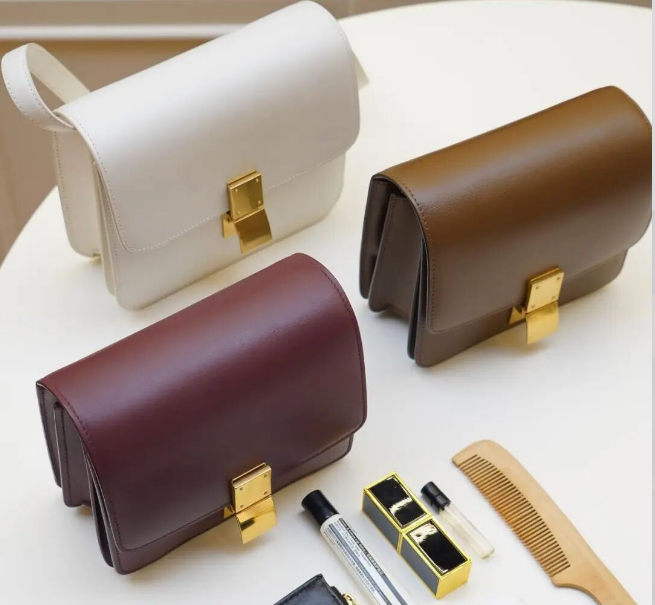
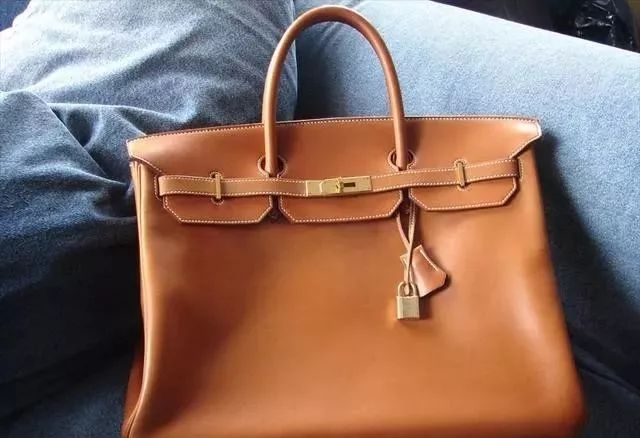
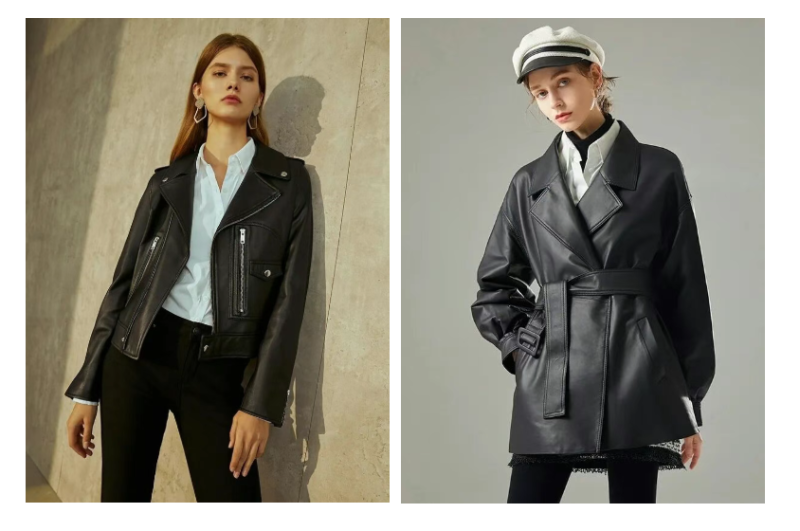
Including but not limited to various leather apparel, bags, shoe materials, automotive interiors, decorations, furniture supplies, leather upholstery seats, etc.
![Image [4]-phenolic yellowing prevention: Effortless Protection for White Leather – Nleather-Nleather](https://www.nleather.com/wp-content/uploads/2026/07/image-67-1024x594.png "image – Nleather")

No comments yet