

One of the oldest materials of animal leather, it has long been regarded as a symbol of social status. However, this material no longer fits current trends. Public perception of traditional leather has undergone a significant shift. There is growing awareness of the cruelty of factory farming, the leather production process, and the environmental impact of tanning.
Not all non-animal leather is vegan, as animal-derived materials (such as glue and dyes) may also be used during production. Due to the vastly different production methods, not all vegan leather has the same characteristics and environmental impact.
Single material (also called monomer)
This includes animal leather, new materials made from mycelium, bacterial nanocellulose, or collagen.
Animal leather
Production:
Animal leather is made from animal hides. Soak animal skins (usually cows, goats, or sheep, but also rare animals like crocodiles and snakes) and rehydrate them. Afterwards, remove ingredients such as hair or meat. Next, the animal hides are dehydrated, marinated, and defattened. In a complex process, the hides are then tanned and further processed, followed by dyeing or coating. After about 20-40 steps, the finished product is a strong, relatively flexible, waterproof and stain-resistant material.
Performance:
After complex processing procedures, the final product is already very different from natural animal hides. Each step is designed to prevent material decomposition and to ensure long-lasting use. Additionally, animal leather is usually (if not mostly) coated with polyurethane or other synthetic materials to compensate for defects in natural structures and to make it more resistant to moisture. If the texture of all parts of the leather product is the same and uniform, it is very likely that the material has been coated with a coating. Coatings not exceeding 0.15 millimeters thick need no further disclosure, so the material can still be called leather.
Sustainability:
Raw hides must be tanned before they can be used in leather products; otherwise, they will rot and cannot be processed further. The most commonly used tanning agent is chromium, which, if not properly handled, can be converted into toxic tetravalent chromium (a carcinogen). In addition to chromium, other chemical additives are used; studies show that producing 1 kilogram of leather requires about 2.5 kilograms of chemicals.
These synthetic materials can also be classified as toxic to humans and the environment. The manufacturing process consumes a large amount of water and leads to high carbon dioxide emissions. This produces environmentally harmful, non-biodegradable waste, such as tannin-containing wastewater or solid waste containing chemicals, like rawhides or meat. Moreover, over 70% of animal hides are processed in developing countries, and due to the lack of wastewater treatment systems, toxic waste eventually enters groundwater, harming tannery workers. Compared to chromium, vegetable tanning agents have advantages in toxicity and biodegradability. However, the processing requires more water and energy, and can only be used for specific types and colors of leather. Therefore, applications remain very limited, and most vegetable tanning agents are combined with synthetic materials to reduce costs and improve the performance of finished leather.
Disposal:
Most animal leathers have very limited biodegradability after use, and recycling them is technically and economically unfeasible. Therefore, animal leather is currently either landfilled or burned.
Bio-based vegan leather made from a single material
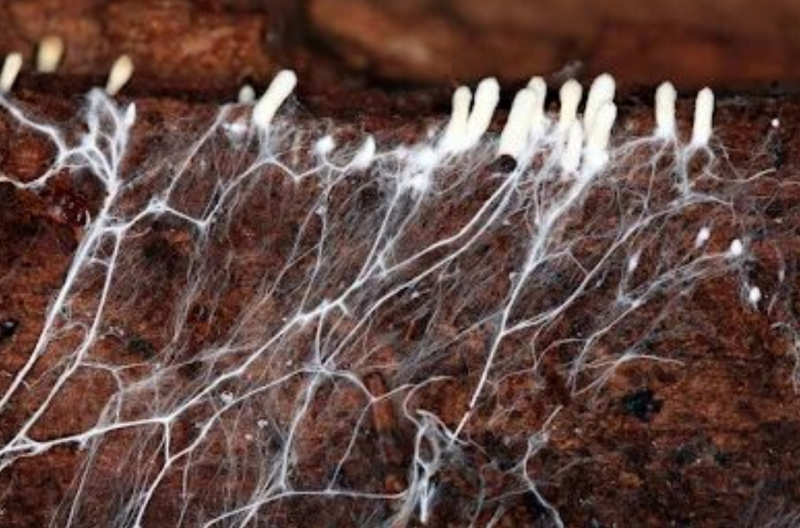
Mycelium Leather (Reishi, Mylo)
Production: During the process of making mushroom leather from mycelium, mushrooms grow into mycelium, a reticulated organism. Mycelium usually grows underground. Several materials innovators are researching mycelium-based materials, using slightly different production techniques. Mycelium typically grows on agricultural and sideline products, producing foam-like mats, which can then be processed into leather-like materials through chemical and mechanical processes. Some innovators have also tried methods to have mycelium engulf cotton or other textile materials to increase the material’s strength.
![Image [1]-Vegan Leather: Your Stunning, Ethical Guide – Nleather-Nleather](https://www.nleather.com/wp-content/uploads/2026/07/image-50-1024x675.png "image – Nleather")
Performance:
MycoWorks produces mycelium leather under the Reishi product name and conducts extensive testing on material strength, durability, and color fastness. The results showed that mycelium leather has characteristics similar to animal leather. Reishi High Strength materials, which use polyester carriers and coatings, even outperform animal leather. Bolt Threads products use synthetic coatings. Overall, proper processing techniques combined with textile backings or coatings can improve the overall performance of mycelium materials.
Sustainability:
MycoWorks and Bolt Threads use forestry waste sawdust to cultivate mycelium, and foamy fungal pads can be produced within 4-9 days. Because mycelium grows naturally in biological processes and does not require light, its environmental impact is relatively small. Mushrooms absorb and store carbon dioxide during their growth. Processing the fungal mat into leather consumes resources—depending on the process chosen by the manufacturer. For example, Bolt Threads collaborates with tanneries that must meet special sustainability requirements. However, more detailed information has not yet been released.
Disposal:
Mycelium is a natural, biodegradable material. To determine the biodegradability or recyclability of the final product, the chemicals involved in the production process, or (if applicable) the selected dyes and coatings, must be considered. This is another area where information is still lacking.
![Image [2]-Vegan Leather: Your Stunning, Ethical Guide – Nleather-Nleather](https://www.nleather.com/wp-content/uploads/2026/07/image-51.png "image – Nleather")
Muskin Production
Muskin is a type of leather made from mulberry mushroom caps. After extraction, the cap is sliced into thin pieces and then subjected to chemical and mechanical treatments similar to animal leather. However, this leather is currently only produced in small quantities and is therefore not suitable for industrial use.
Performance:
Muskin leather has special properties such as antibacterial and moisturizing properties. Although manufacturers claim the material does not possess the mechanical properties of animal leather. However, it can be combined with substrates or waxes to enhance performance.
Sustainability:
Muskin’s ingredients come from nature. According to the manufacturer, the material is treated without toxic substances and contains no plastic. More information about the environmental impact of the manufacturing process has not yet been determined.
Disposal:
The material is completely natural and therefore should be biodegradable. However, you also need to consider how the material adheres to the textile backing or what kind of wax and dye you use.
Bacterial (nano) cellulose biomaterials
Performance:
Polybion has conducted extensive testing on material strength, durability, and color fastness. The company stated that materials can be tuned to specific performance parameters by using different bacteria, tanning, and dyes. Since there are currently no products available on the market, further research is needed to evaluate performance.
Sustainability:
Polybion uses local fruit waste to feed bacteria, with the entire production process concentrated within a 30-kilometer radius of Mexico. The energy used comes from photovoltaics. The process of processing bacterial cellulose into leather-like materials is similar to tanning and dyeing leather. Polybion claims to use green chemical methods that comply with EPA, REACH, and ZDHC regulations. It is said that the material was produced in a circular system, but no further explanation was given about the chemicals used in the process. In the preliminary LCA-type impact assessment study, the calculated environmental impact was five times lower than that of animal leather.
![Image [3]-Vegan Leather: Your Stunning, Ethical Guide – Nleather-Nleather](https://www.nleather.com/wp-content/uploads/2026/07/image-52.png "image – Nleather")
Modern Synthesis feeds bacteria with agricultural waste. They add other natural ingredients to their proprietary formula and use green chemical methods to make the material durable, though no further details are provided. Modern Synthesis claims the material uses only a small portion of carbon emissions, water, and land, without any specific sources.
![Image [4]-Vegan Leather: Your Stunning, Ethical Guide – Nleather-Nleather](https://www.nleather.com/wp-content/uploads/2026/07/image-53-1024x686.png "image – Nleather")
Disposal:
The raw materials are made from biodegradable bacterial cellulose. Careful study of process chemicals and dyes is needed to assess the overall biodegradability of the final product Celium, Polybion says the material will be circular, which sounds good. Modern Synthesis claims that the final product, in an undyed version, is entirely bio-based and free of petrochemical products.
Collagen
Modern Meadow, a biotech startup from the United States, has taken a different path: they develop collagen directly in the lab, a fundamental component of animal skin. In the early stages of development, skin cells are cultured in the laboratory. Meanwhile, feeding sugar to specific yeast strains can directly produce protein.
Advantages:
Traditional leather production processes mainly remove all non-collagen substances from animal hides, while Modern Meadow produces collagen directly. Then, raw materials can be like those in the leather industry cow leather The same uses — which is why previous processing techniques can be restored — except without involving animals. Today, their biocomposites consist of proprietary proteins and biopolymers, which can be used as coatings or in combination with synthetic materials, ensuring the material is not 100% bio-based. Pact’s predecessor was Hide Biotech, which also uses collagen as a building block. However, after announcing last year the development of vegetarian materials containing bovine collagen, they have now changed their plan and used collagen from fish farms, which makes the material unfriendly to animals.
In addition to single materials, there are various coating materials that can replace animal leather. For example, it consists of carriers such as cotton and one or more coatings.
Synthetic leather
Technology:
Synthetic leather is typically made from textile substrates coated with two or more layers of synthetic polymers. The substrates used include polyester, recycled polyester, or cotton, coated with polyvinyl chloride (PVC, vinyl) or polyurethane (PU). The embossed structure mimics a leather-like surface appearance. Note: Not all synthetic leather is vegan—it depends on the colors, adhesives, and other raw materials used in the process.
Performance:
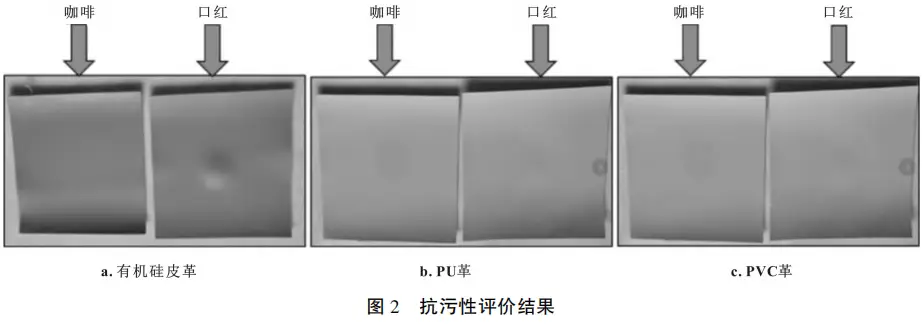
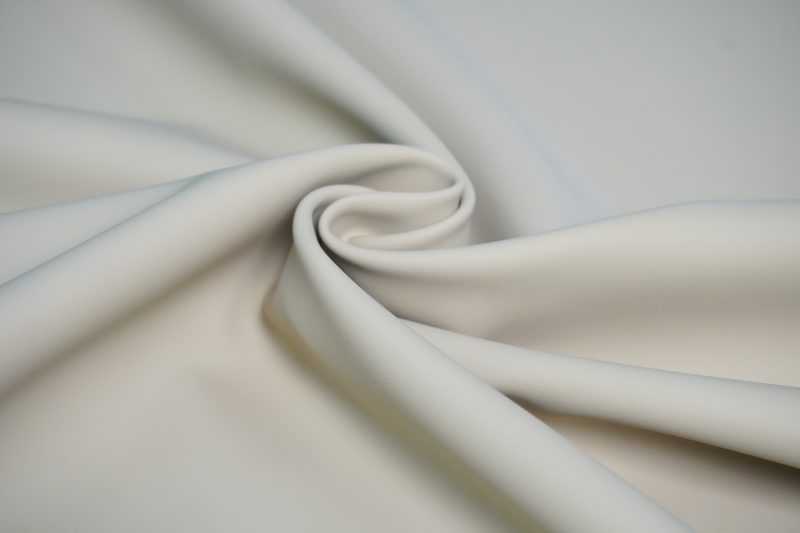
Synthetic leather (also known as imitation leather, PU leather, or silicone leather) is usually associated with quality. This reputation is mainly attributed to the cheap production of faux leather by fast fashion companies. In fact, the quality and performance of synthetic leather are almost unlimited.
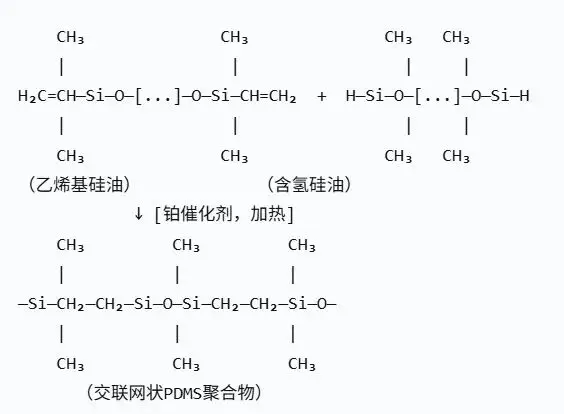
Quality depends on the raw materials used (substrate, coating) and the processing technology. Moreover, unlike animal leather, synthetic leather can flexibly adjust its waterproof, flexible, and durable properties, even surpassing those of animal leather. High-quality synthetic leather is mainly used in automotive industry interiors. Unlike animal leather, synthetic leather is waterproof, easy to care for, and does not require waxing Among these, silicone leather has the greatest potential, solving many environmental and performance issues of traditional synthetic leathers like PU/PVC and is now the current focus artificial leather The ultimate in performance.
Even traditional luxury brands use coated or synthetic leather in their collections as particularly durable materials—Gucci and Louis Vuitton’s famous letter bags are made from coated synthetic leather, while Prada’s Saffiano leather is woven with grain and waxed leather.
Sustainability:
Synthetic leather has its advantages and disadvantages. From a resource perspective, crude oil extraction is energy-intensive and may release microplastics. Categories such as greenhouse gas emissions, water usage, and chemicals used also have a different environmental impact on the environment compared to material quality: the environmental impact varies depending on the country and place of production, the raw materials used, and the thickness of the materials. However, scientific studies on standard materials used in footwear, fashion, and automotive sectors show that, on average, producing synthetic leather consumes significantly fewer resources than animal leather production.
Disposal:
High-quality synthetic leather is characterized by durability. That said, there are also issues with its handling: this material is difficult to biodegrade, and recycling is not yet widespread in practice.
Plant-based synthetic mixtures
Since synthetic leather is made from crude oil and difficult to handle, consumers are seeking other vegan alternatives. Therefore, some textile developers are trying to replace crude-based raw materials with plant fibers as much as possible. Therefore, in recent years, many so-called plant-based leathers have emerged.
![Image [5]-Vegan Leather: Your Stunning, Ethical Guide – Nleather-Nleather](https://www.nleather.com/wp-content/uploads/2026/07/image-54-1024x372.png "image – Nleather")
Technology:
Plant-based vegan leather is leather made by industrially processing fruit, leaves, or other plant ingredients alongside stable components, giving the final material the visual and tactile characteristics of animal leather.
Similar to synthetic leather, these materials consist of one or more layers of substrates. This is where plant-based raw materials come into play: in substrates or coatings, some synthetic ingredients are replaced by plant-based ingredients. For example, some synthetic PVC/PU coatings can be replaced with agricultural waste.
Performance:
The basic visual and tactile characteristics of blended leather are very similar to those of leather. Therefore, synthetic ingredients are mainly used as stabilizers for bio-based components or to ensure that the quality requirements of leather are met.
Currently, there is almost no scientific research on mechanical properties common parameters in materials science. Preliminary studies show that performance depends especially on the stability of the base material.
Sustainability:
Although manufacturers of plant-based plastic blends promote the sustainability of their materials, there is still little scientific data on their environmental impact. Desserto has released preliminary results from its LCA study on cactus leather, but the survey methodology has not yet been disclosed. Therefore, the question of how materials like apple leather, cactus leather, or pineapple leather compare to animal leather or synthetic leather remains unanswered.
![Image [6]-Vegan Leather: Your Stunning, Ethical Guide – Nleather-Nleather](https://www.nleather.com/wp-content/uploads/2026/07/image-55-1024x560.png "image – Nleather")
Disposal:
Because plant materials are mixed with synthetic components, their biodegradability cannot be guaranteed. Recyclability has also not been addressed, but in principle, blended materials are harder to recycle than pure synthetic materials.



No comments yet