

Genuine leather? Fake leather?
To avoid pits, we first need to understand what genuine leather is. Only leather made by peeling and processing animals is genuine leather! There are two types: first floor and second floor. “Genuine leather” is a common market term and is not a technical term. In national standards and industry specifications, “natural leather” and “natural leather” are commonly used. cow leather Clearly expressed as ‘leather’ and ‘sheep leather’. According to QB/T 2262-1996 Leather Industry Terminology, leather is defined as raw leather with a roughly intact original structure, tanned into a non-perishable material.
Artificial leather (fake leather) made from artificial materials mainly refers to: artificial leather and joined forces finished leather 。 Natural leather has a texture and characteristics that fake leather cannot match, and is generally more expensive than fake leather.
![Image [1]-Look, touch, smell, burn—easily distinguish genuine from fake – Nleather-Nleather](https://www.nleather.com/wp-content/uploads/2026/06/image-213.png "image – Nleather")
First, look, touch, smell, and burn
First: observe the texture and color to distinguish the natural texture
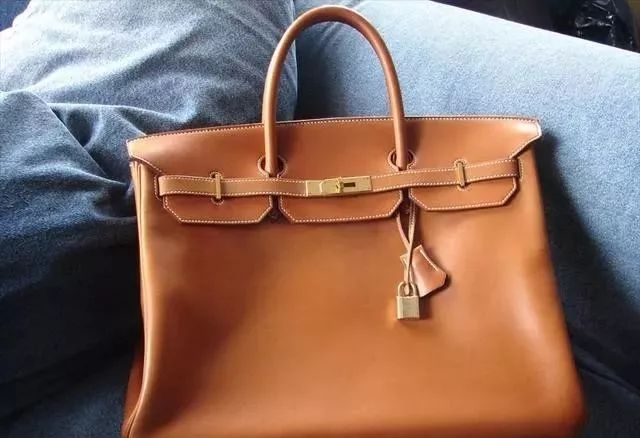
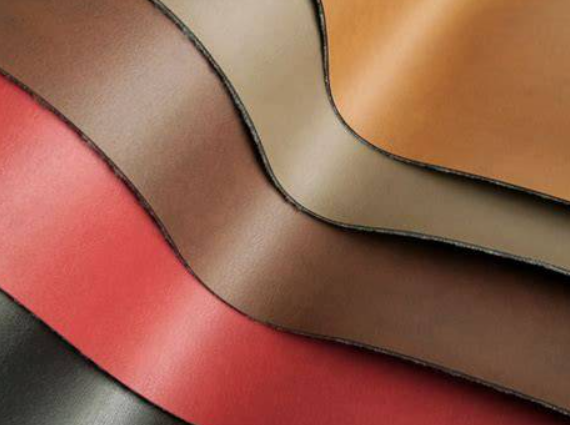
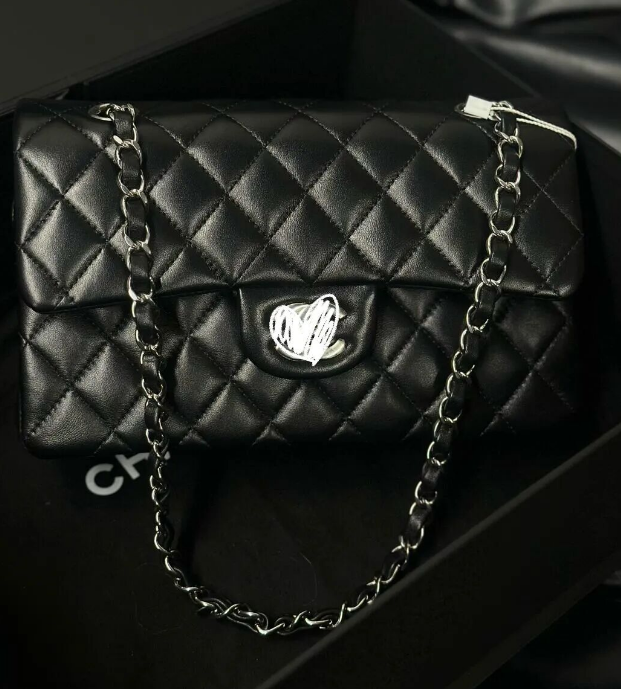
Natural leather surfaces have unique textures, such as: cow leather Fine and irregular texture, evenly distributed pores; Sheepskin has a finer grain. The surface of fake leather is relatively smooth, with regular texture and no natural imperfections. Additionally, natural leather has a soft color, while fake leather may be overly bright and uniform.
Second: Touch the touch: feel elasticity and feel the natural mechanism
When you touch the leather by hand, the natural leather feels soft, full, and elastic. It forms natural wrinkles when pressed, and slowly returns after being released. Fake leather feels rough, stiff, and has poor softness; it has no obvious wrinkles or slow recovery when pressed, lacking the texture and elasticity of natural leather.
Three . Smell the differences in smell and distinguish the essence of the material
Smelling the leather can also aid in identification. Natural leather has a slight animal odor, which is characteristic of its natural material. However, some specially treated natural leather may have a milder scent. Because fake leather uses plastic substrates and adhesives, it may have a strong pungent plastic smell or be odorless.
Four .burns: Fiber Characteristics Test, Ultimate Identification
A small amount of leather fiber was used for combustion testing. Natural leather emits the smell of burning hair when burning, and the ashes are powdery and can be easily crushed. When the fake skin burns, it produces a pungent odor and forms hard lumps that are hard to crush. However, this method can damage leather and is only suitable for small samples or scraps.
![Image [2]-Look, touch, smell, burn—easily distinguish genuine from fake – Nleather-Nleather](https://www.nleather.com/wp-content/uploads/2026/07/image-9.png "image – Nleather")
Surface identification features of different types of leather
| Types of leather | Common uses | Surface core features |
| Yellow cow leather Hide | Bags, leather shoes, belts | Compact grain surface and high strength; Pores are small (nearly round), deep at the bottom, and irregularly arranged. |
| Water cow leather Hide | Work shoes and large bags | Pores are more yellow than yellow cow leather Coarse, less numerous, with a looser leather texture; Good strength. |
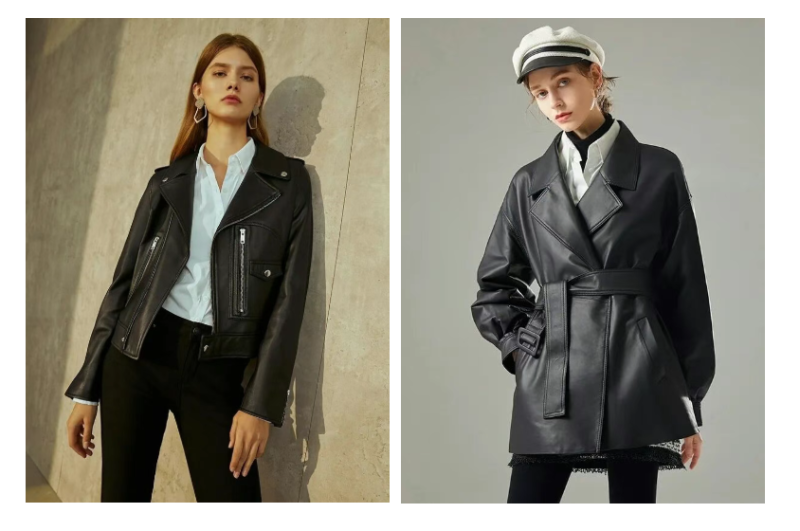
| Sheepskin | Leather boots, leather jackets, gloves | Soft and delicate to the touch; The pores are nearly round and uniform in size, clustered into clusters. |
| Goat leather | Leather jackets, shoes, and bags | The grain surface is coarser than sheepskin; The pores are regularly arranged in depressions and are highly resilient. |
| Pigskin | Shoe lining | Excellent breathability and moisture permeability; The pores are round and large, arranged in groups of three in a “品” (品) shape. |
| Crocodile leather | Luxury leather bags, shoes, watch straps | The grain surface is poreless, the leather board thickness is uneven, the grain patterns are irregular, and it feels heavy to the touch. |
| Deer leather | High-end leather jackets, gloves, outdoor leather goods | It feels like a sponge-like foam, with single pores (nearly round) arranged in a straight line. |
![Image [3]-Look, touch, smell, burn—easily distinguish genuine from fake – Nleather-Nleather](https://www.nleather.com/wp-content/uploads/2026/06/image-295.png "image – Nleather")
Reminder
Check the tag : Official products will be labeled as “natural leather” cow leather Leather” (rather than the general term “genuine leather”), allowing verification of the material by comparing the tag information;
Check the prices : Natural leather is more expensive; if the price is labeled as “genuine leather,” it should be carefully identified (especially for top-grain leather products, which usually won’t be too cheap);
Combine multiple methods : A single identification method may have errors (e.g., special treatments of genuine leather have a milder odor). It is recommended to combine “look + touch + smell,” and if necessary, use burning testing (scrap materials) for confirmation.


No comments yet