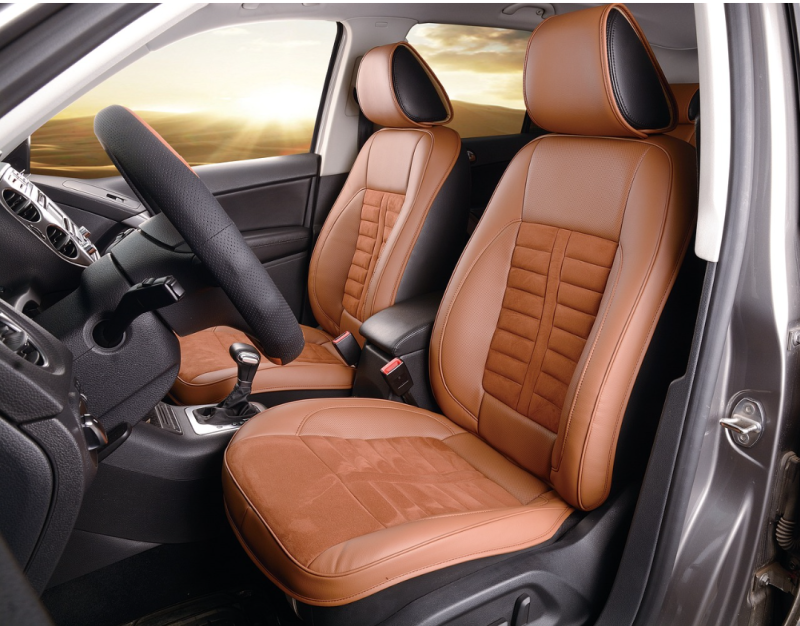


In the automotive manufacturing field, the quality and performance of interior materials directly affect the comfort, safety, and overall product quality of the driving experience. As an important component of automotive interiors, leather is widely used for its unique texture, aesthetics, and durability. This standard document was carefully prepared by Nissan’s internal technical team, bringing together years of extensive experience and expertise in the research, production, and quality control of automotive interior materials. It covers testing methods for a variety of materials, from natural leather to synthetic leather and PVC-coated fabrics, providing a comprehensive solution for evaluating the performance of automotive interior leather materials.
Scope of Application: This standard applies to natural leather (hereinafter referred to as genuine leather) and synthetic leather used in automotive seats, consoles, doors, instrument panels, and interiors. It specifies the test method for nitrile rubber used in seats, consoles, and linings.
![Image [1]-Testing Methods of Genuine Leather and Polyurethane Leatherand Polyvinylchloride Coated Fabric for Automobiles – Nleather-Nleather](https://www.nleather.com/wp-content/uploads/2026/06/产品-高性能系列-汽车座椅-1-1024x802.png "产品-高性能系列-汽车座椅 – Nleather")
Physical performance testing
1. Thickness measurement
Condition: Room temperature conditions
Tool: Micrometer
2. Width and length measurement
Condition: Room temperature conditions
Tools: Inspection machine, ruler, or tape measure
3. Weight measurement
Condition: Standard condition (natural leather) or room temperature condition (synthetic leather, PVC)
Tool: Chemical balance
4. Tensile strength and elongation
Conditions: Natural leather (standard condition), synthetic leather, and PVC (room temperature condition)
Load: 1.96N
Speed: 200mm/min
5. Tear strength
Conditions: Natural leather (standard condition), synthetic leather, and PVC (room temperature condition)
Load: 1.96N
Speed: 200mm/min
6. Suturing strength
Conditions: Natural leather (standard condition), synthetic leather, and PVC (room temperature condition)
Load: 1.96N
Speed: 200mm/min
7. Stiffness testing
Condition: Standard condition
Load: 3.9N
Speed: approximately 10mm/s
8. Chemical performance testing
9. Acid resistance test
Condition: Room temperature conditions
Tool: pH meter
10. Lightfastness test
Method: Xenon lamp aging test (Sunshine or Xenon method)
Conditions: Temperature 83±3°C, Humidity 50%±5%
Irradiation time: varies by material and use (200~600 hours)
11. Heat resistance test
Conditions: Temperature 110°C or 120°C
Time: 100 hours or 400 hours
12. Cold resistance test
Conditions: Temperature: -30°C±2°C or -40°C±2°C
Time: 24 hours or 60 minutes
13. Moisture and heat resistance test
Conditions: Temperature 50°C, Humidity 90%±5%
Time: 500 hours or 1000 hours
Durability testing
1. Wear resistance test
Methods: Taber wear test, learning vibration friction test, etc
Conditions: Depending on material and application, load capacity 9.8N or 1.32kg, speed 50 reciprocating cycles/min, reciprocal count 1000~20000 cycles
2. Friction resistance test
Conditions: load capacity 4.9N, speed 30 reciprocating per minute, reciprocating distance 200mm, 1000 reciprocal cycles
3. Sweat resistance test
Conditions: load capacity 1.96N, speed 30 reciprocating per minute, reciprocating distance 200mm, reciprocal number 100
4. Flex resistance test
Conditions: Temperature -30°C or -40°C, load 800g, impact energy 800g×15cm
5. Impact resistance testing
Conditions: Temperature -30°C or -40°C, load 800g, impact energy 800g×15cm
6. Appearance Testing
Color, luster, and texture
Conditions: Standard light source (CIE D65), visual inspection
Special testing conditions
1. Sweat resistance friction test
Conditions: load capacity 4.9N, speed 30 reciprocating speed/min, reciprocal distance 200mm, reciprocal number 100 times
Material: artificial sweat
2. Chemical resistance testing
Condition: Room temperature conditions
Materials: Depending on the specific medicine (such as cleaning agents, cosmetics, etc.)
3. Lightfastness test (xenon lamp aging)
Conditions: Temperature 89±3°C, Humidity 50%±5%
Irradiation time: varies by material and use (200~600 hours)
4. Thermal aging resistance test
Conditions: Temperature 110°C, time 200 or 400 hours
5. Moisture and heat cycle resistance test
Conditions: Temperature 50°C, humidity 90%±5%, 10 cycles


No comments yet