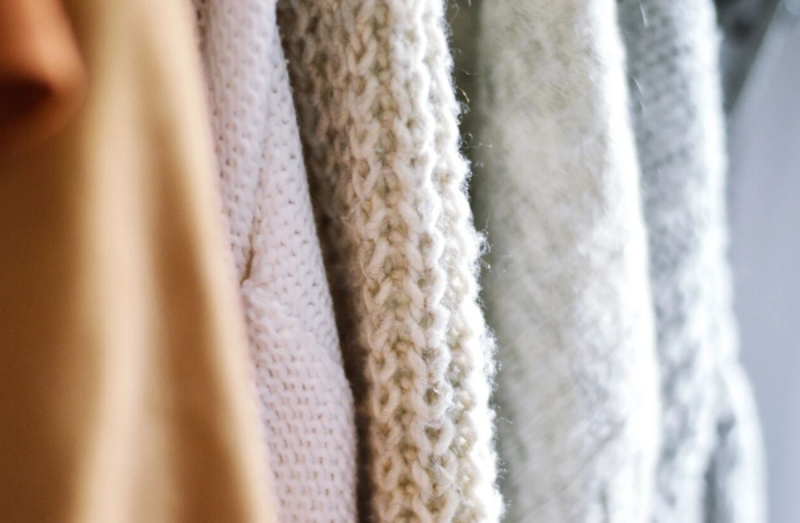


When people wear clothes for a long time or after washing, the fiber ends on the fabric surface can loosen due to friction and slide, exposing the fabric surface and causing pilling. Because these fuzz fibers have good abrasion resistance, they tend to tangle into small balls and pill when subjected to external friction. Pilling is one of the key factors affecting the fabric’s hand feel, appearance, and wearability, and is also an important indicator of garment quality.
The four standard anti-pilling test methods mainly are: circular trajectory method, Martindale method, ball-launching box method, and random tumble method.
![Image [1]-Fabric Pilling Testing Methods: Must-Know Proven Guide – Nleather-Nleather](https://www.nleather.com/wp-content/uploads/2026/07/image-38-1024x670.png "image – Nleather")
Circular trajectory method
This method is mostly used for woven fabrics and knitted fabrics, and is quite common.
Test Principle:
According to the specified method and test parameters, use a nylon brush and fabric abrasive, or only fabric abrasives, to cause fuzzing and pilling on the specimen by friction. Then, under specified lighting conditions, the pilling and pilling performance was visually described and evaluated.
Parameters for the circular trajectory method can be selected according to fabric type; if there are product standards, they can be based on product standard requirements, such as GB/T4802.1-2008.
![Image [2]-Fabric Pilling Testing Methods: Must-Know Proven Guide – Nleather-Nleather](https://www.nleather.com/wp-content/uploads/2026/07/image-39-1024x763.png "image – Nleather")
The Martindale Method
This method is mostly used for knitted fabrics, woven fabrics, especially home textiles.
Test Principle:
Under specified pressure, the circular specimen rubs against the same fabric or wool abrasive fabric along a graphical trajectory. The specimen can freely rotate around a central axis perpendicular to the specimen plane. After the specified friction stage, the fuzzing or pilling grade of the sample is evaluated visually by description.
![Image [3]-Fabric Pilling Testing Methods: Must-Know Proven Guide – Nleather-Nleather](https://www.nleather.com/wp-content/uploads/2026/07/image-40-1024x720.png "image – Nleather")
Method for raising the ball box
This method is mostly used for knitted fabrics, especially woolen fabrics.
Test Principle:
Specimens mounted on polyurethane tubes can be freely flipped inside a wooden box lined with cork and a constant rotational speed. After the specified number of flips, visual description and evaluation of pilling and/or pilling performance are performed.
![Image [4]-Fabric Pilling Testing Methods: Must-Know Proven Guide – Nleather-Nleather](https://www.nleather.com/wp-content/uploads/2026/07/image-41.png "image – Nleather")
Random tumbling method
Test Principle:
The random flipping pilling tester can detect the pilling performance of fabrics. In the independent stainless steel sample testing chamber, under the rotation of stainless steel blades, the fabric to be tested continuously and randomly rubs against the cork lining. The test time is controlled by a timer and an audio alarm. Compressed air can also be injected inside the test chamber to enhance flipping and friction effects.
![Image [5]-Fabric Pilling Testing Methods: Must-Know Proven Guide – Nleather-Nleather](https://www.nleather.com/wp-content/uploads/2026/07/image-42.png "image – Nleather")
Comparison of the Four Detection Methods, Testing Principles, and Instruments
| Standard | Principle | Instruments and equipment |
| GB/T 4802.1-2008 Trajectory Method | Using nylon brushes and fabric abrasives or only fabric abrasives, the specimen is rubbed to develop pilling and pilling, then visually described and evaluated the pilling performance under specified lighting conditions. | Inner diameter of the specimen clamp ring (90±0.5) m; A circle with a medium (40+1) mm trajectory: velocity is (60+1)r/min. |
| GB/T 4802.2-2008 Martindale Act | Within the specified load material, the round specimen is rubbed against the laminated fabric or wool abrasive fabric along a Lissajous circular trajectory. The specimen can freely rotate around a central axis perpendicular to the specimen plane. After passing through the specified friction stage, the specimen’s fuzzing or pilling grade is evaluated visually by description. | The inner diameter of the specimen fixture is 90mm; The movement trajectory follows the Xiao Li Sharu curve (24 mm x 24 mm); The rotational speed of the external drive unit is (47.5±0.25) r/min |
| GB/T 4802.3-2008 Ball Box Method | Specimens mounted on polyurethane tubes can be freely flipped inside a wooden box lined with cork and a constant rotational speed. After the specified number of flips, the hairing and/or pilling performance is visually described and evaluated. | Polyurethane sample tube: length (140 μ1) hm, outer diameter (31.5 μ1) mm, tube wall thickness (3.2 ±0.5) mm, mass (52.25 ±1) g, ball picking box: cubic box, inner wall side length 235 mm; Rotational speed: (602) r/min |
| GB/T 4802.4-2009 Random tumbling method | Using a random tumbling pilling box, the fabric is randomly rolled and rubbed in a cylindrical test chamber lined with cork lining and filled with small gray short cotton. Under specified light conditions, the pilling and pilling performance is visually described and evaluated | Ball picking box: circumference 452mm, depth: 146m: 1.5mm, air pressure: 14 kPa – 21 kPa |
Different test methods for pilling and pilling performance of the same fabric can yield significant results, so special attention should be paid to the chosen test method. Fabrics that need to be tested must be tested according to the methods required by the relevant product standards.
Test result analysis
(1) Counting method: the specified number of pilling and pilling in the specified area;
(2) Measurement method: This involves weighing the weight of fuzz balls on and off the fabric;
(3) Sample comparison method: Compare the fleshed fabric with standard samples to determine the degree of pilling. There are five levels—the lower the level, the more severe the pilling; The higher the stage, the better the anti-pilling performance;
(4) Using a pilling curve representing the number of pilling on the vertical axis and friction time on the horizontal axis to analyze the degree of pilling and the rate at which pilling forms and falls off.
| Grade | State description |
| 5 | There was no change. |
| 4 | The surface may have slight napping and/or slight pilling. |
| 3 | Moderate surface pilling and/or moderate pilling, with balls of different sizes and densities covering part of the specimen’s surface. |
| 2 | The surface is noticeably fuzzy and/or pilled, with balls of different sizes and densities covering most of the sample’s surface. |
| 1 | The surface is severely fuzzed and/or pilled, with balls of different sizes and densities covering the entire surface of the sample. |

No comments yet