

Overview of PVC Materials
Polyvinyl chloride (PVC), abbreviated in English as PVC, is the third largest synthetic polymer plastic in the world. PVC is a polymer formed by polymerizing vinyl chloride monomer (VCM) with initiators such as peroxides and azo compounds, or by reacting to light and heat according to a free radical polymerization reaction mechanism.
![Image [1]-PVC Artificial Leather Overview: Properties, Applications, Manufacturing Process, and Cost Benefits Compared to Genuine Leather-Nleather](https://www.nleather.com/wp-content/uploads/2026/06/image-184.png "image – Nleather")
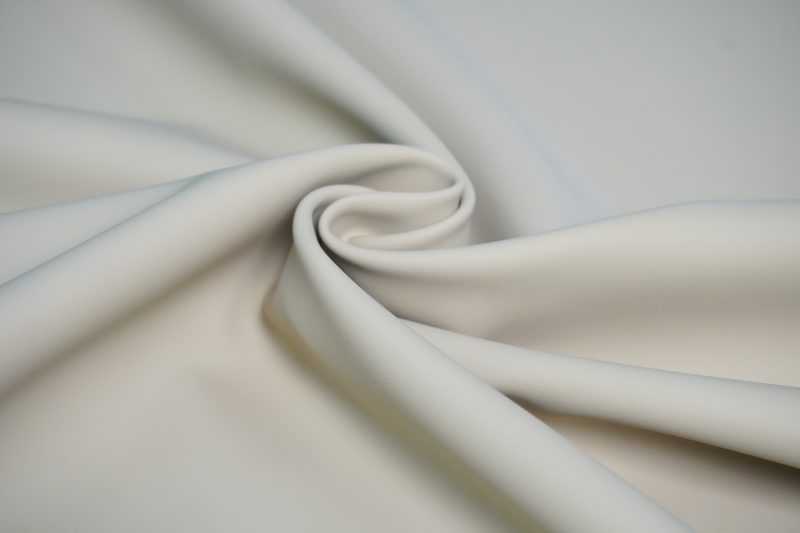
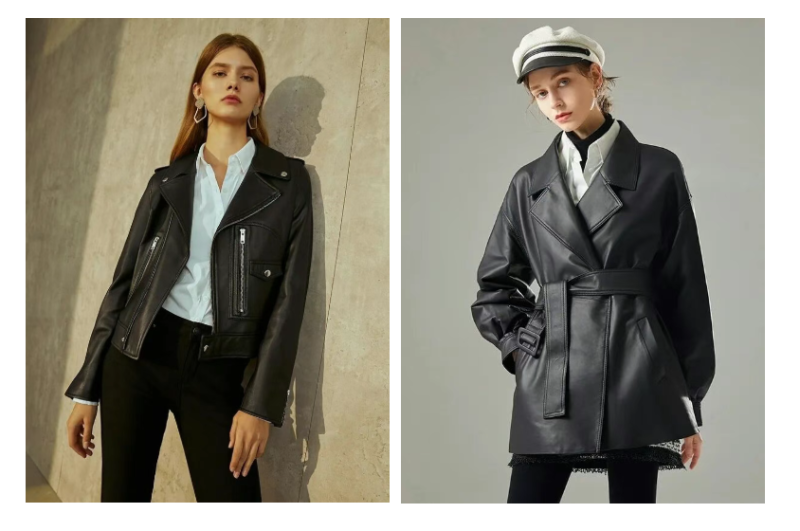
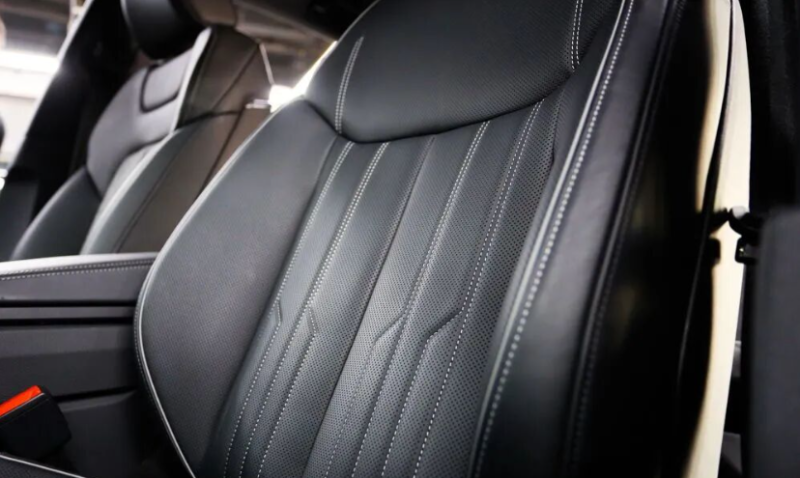
PVC artificial leather , a synthetic material made from polyvinyl chloride resin, simulating the texture and appearance of natural leather. It can be customized into leather in different colors, gloss, thickness, feel, and fabric base according to different customer requirements, with a wide range of applications and can be made into furniture sets dressing leather , car sofa leather, luggage leather , shoe leather, etc.
PVC artificial leather Compared to PU, genuine leather is characterized by lower cost, wear resistance, high plasticity, vibrant and rich colors, easy to clean, can be made from eco-friendly materials, and has a long shelf life. It is an economical, practical, and environmentally friendly alternative to genuine leather.
The price of PVC synthetic leather varies depending on thickness, quality, and other factors, generally ranging from 50 to 500 yuan/㎡ (for reference only). The specific price also depends on brand, material, specifications, supplier, and other factors.
![Image [2]-PVC Artificial Leather Overview: Properties, Applications, Manufacturing Process, and Cost Benefits Compared to Genuine Leather-Nleather](https://www.nleather.com/wp-content/uploads/2026/06/image-185.png "image – Nleather")
Material properties
Bright colors
PVC artificial leather can be made with various pigments during manufacturing, resulting in rich and colorful colors that remain stable and resistant to fading
![Image [3]-PVC Artificial Leather Overview: Properties, Applications, Manufacturing Process, and Cost Benefits Compared to Genuine Leather-Nleather](https://www.nleather.com/wp-content/uploads/2026/06/image-186.png "image – Nleather")
The texture is soft
PVC artificial leather has excellent softness, a comfortable hand feel, and a soft texture, making it suitable for making sofas, chairs, mattresses, and other furniture
Strong wear resistance
PVC artificial leather is highly wear-resistant, durable, and not easily worn or aging, maintaining its luster for a long time
Easy to clean
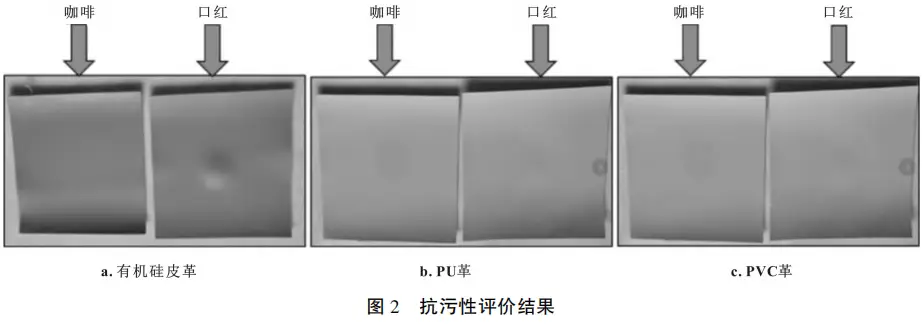
PVC synthetic leather has a smooth surface, resists dust and dirt, and is easy to clean—just wipe with a damp cloth
![Image [4]-PVC Artificial Leather Overview: Properties, Applications, Manufacturing Process, and Cost Benefits Compared to Genuine Leather-Nleather](https://www.nleather.com/wp-content/uploads/2026/06/image-187-1024x532.png "image – Nleather")
Environmental protection
PVC artificial leather contains no heavy metals, is non-toxic and harmless, meets national environmental protection standards, and is even more environmentally friendly than natural leather
Materials and craftsmanship
Production process flow of PVC artificial leather
1. Printing
First, the PVC material that needs printing is colored, then the printing machine is used to print the material to achieve different patterns and colors
2. Topcoat
After printing, PVC material requires a topcoat treatment, which makes the surface smoother and improves wear resistance and stain resistance
3. Bake dry
After topcoat treatment, PVC material needs to be dried by baking to make the topcoat stronger and prevent peeling during use
4. Coating
After drying, PVC material needs to be coated with a coating, which generally uses PVC resin, plastic additives, stabilizers, and other materials to improve its wear resistance, waterproofness, and UV resistance
5. Embossing
Embossing involves applying patterned stamping on the surface of PVC material to give it a better texture and aesthetic appeal
6. Transfer paper
Transfer paper is a special type of printing paper that transfers patterns from the paper to the surface of PVC material, resulting in a rich variety of patterns and designs
7. Hardening
PVC materials that have undergone printing, topcoats, coatings, and other treatments undergo heat-hardening treatment to increase hardness and strength, while also enhancing waterproofing and durability
8. Cutting
After hardening, PVC materials can be cut or cut to facilitate various manufacturing and processing
9. Packaging
Finally, after the above treatment, PVC artificial leather is packaged into rolls or sheets of various specifications and forms for market use
![Image [5]-PVC Artificial Leather Overview: Properties, Applications, Manufacturing Process, and Cost Benefits Compared to Genuine Leather-Nleather](https://www.nleather.com/wp-content/uploads/2026/06/image-188-1024x690.png "image – Nleather")
Purpose
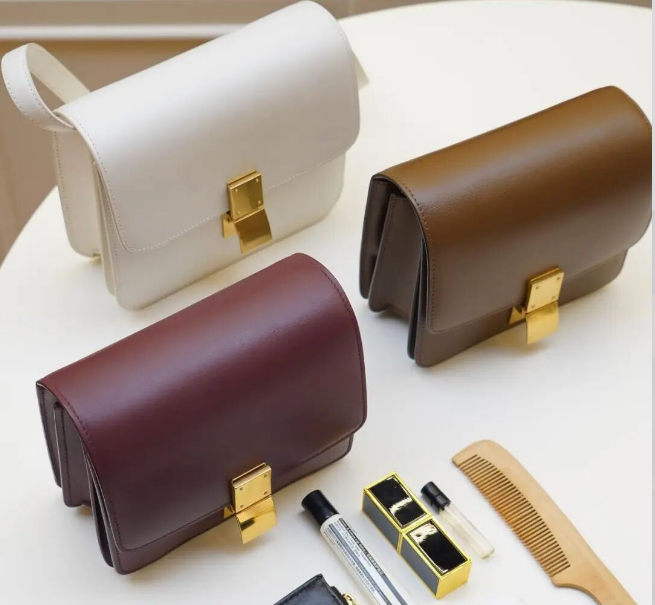
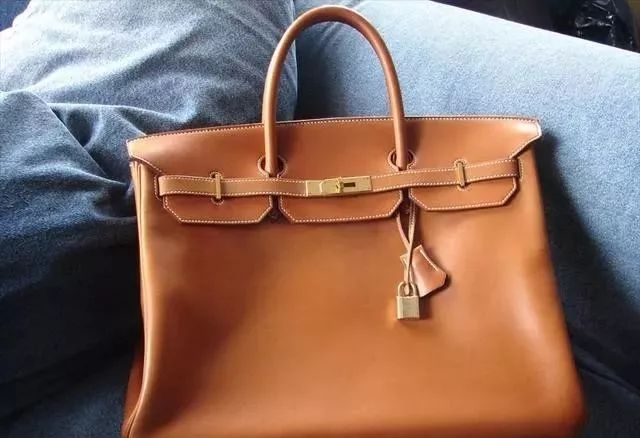
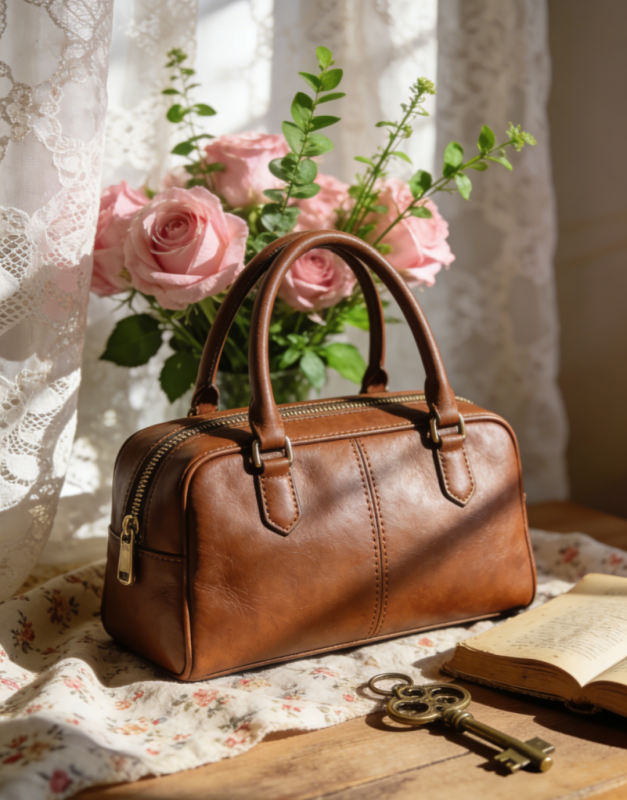
PVC artificial leather It can be used for luggage, handbags, automotive leather, sofa leather, packaging materials, motorcycle leather, sunshade leather, base support, and more. Its resistance to aging and low cost are its advantages over the PU (Producer) version.
Unlike conventional PVC pipes, PVC after calendering and foaming can be made soft or hard, with color, gloss, feel, and even special requirements (environmentally friendly, low toxicity, scratch resistance, sun protection, fire resistance, etc.), all customized according to customer and individual needs, changing the traditional notion that PVC is only for water pipes and plastic.

No comments yet