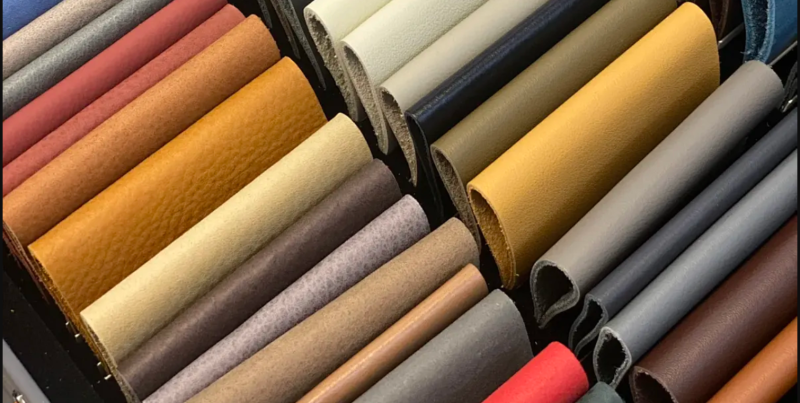


Manufacturing process
Most people use materials other than genuine leather finished leather For example: PVC and PU leather are collectively referred to artificial leather Some imitate leather.
PVC leather and PU leather are both synthetic leather made from polyvinyl chloride (a type of plastic), but the manufacturing processes of these two products are not exactly the same.
During PVC leather’s manufacturing process, plastic particles are first melted and stirred into a paste, then evenly coated on the T/C knitted fabric base at the specified thickness. The foaming is then placed in a foaming furnace to achieve softness suitable for producing various products and requirements. Surface treatment (dyeing, embossing, polishing, matting, surface fuzzing, etc.) is performed simultaneously upon release, mainly according to specific product requirements.
PU leather is more complex in manufacturing process than PVC leather. Since the PU base fabric is canvas PU material with good tensile strength, it can be coated on top of the base fabric or included in the middle, making the base fabric invisible from outside.
![Image [1]-PU Leather vs PVC Leather: Key Differences in Manufacturing Process, Physical Properties, Breathability, Cost, Applications for Footwear and Bags, Environmental Impact, and Identification Tips-Nleather](https://www.nleather.com/wp-content/uploads/2026/06/image-124-1024x515.png "image – Nleather")
Performance
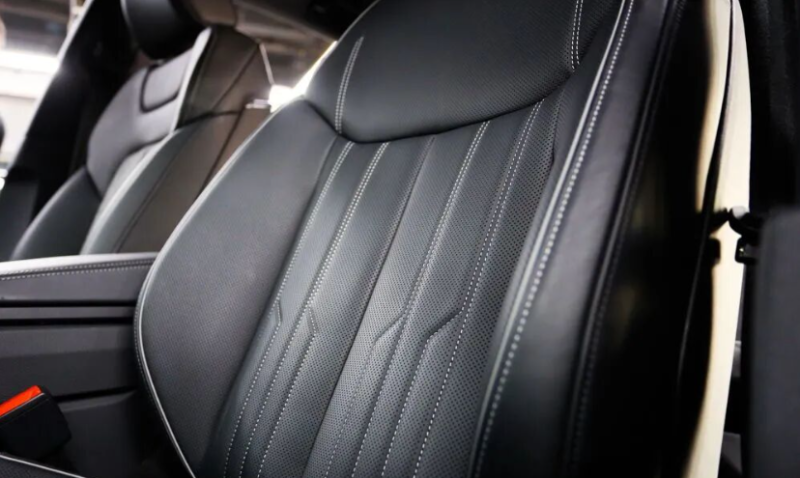
PU leather has better physical properties than PVC leather, with bending resistance, good softness, high tensile strength, and breathability (PVC-free). The pattern is formed by hot pressing steel pattern rollers; PU leather patterns are made by heating a type of patterned paper that is first pressed onto the surface of the semi-finished leather, then after cooling down, the paper and leather are separated for surface treatment.
PU leather costs more than twice as much as PVC leather, and some special requirements can cost 2 to 3 times more than PVC leather. Generally, the patterned paper needed for PU leather can only be used 4–5 times before being scrapped; Patterned rollers have a long service life, so PU leather costs more than PVC leather.
![Image [2]-PU Leather vs PVC Leather: Key Differences in Manufacturing Process, Physical Properties, Breathability, Cost, Applications for Footwear and Bags, Environmental Impact, and Identification Tips-Nleather](https://www.nleather.com/wp-content/uploads/2026/06/image-125-1024x500.png "image – Nleather")
Application
There are also certain differences in the applicable ranges of these two materials. In footwear, PVC leather is mostly used for linings, non-weight-bearing parts, or for children’s shoes; PU leather can be used for footwear fabrics or areas that bear weight.
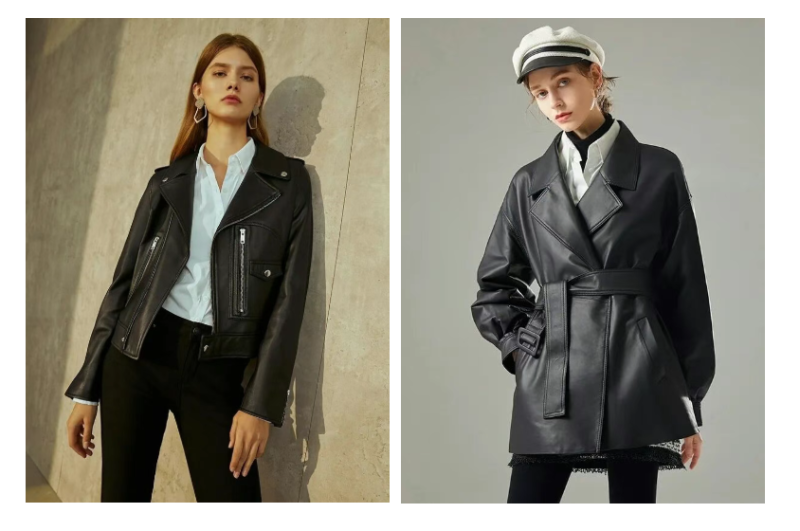
PU leather has a softer, more delicate texture and excellent breathability. Therefore, PU leather has wide applications in clothing, footwear, hats, and other fields.
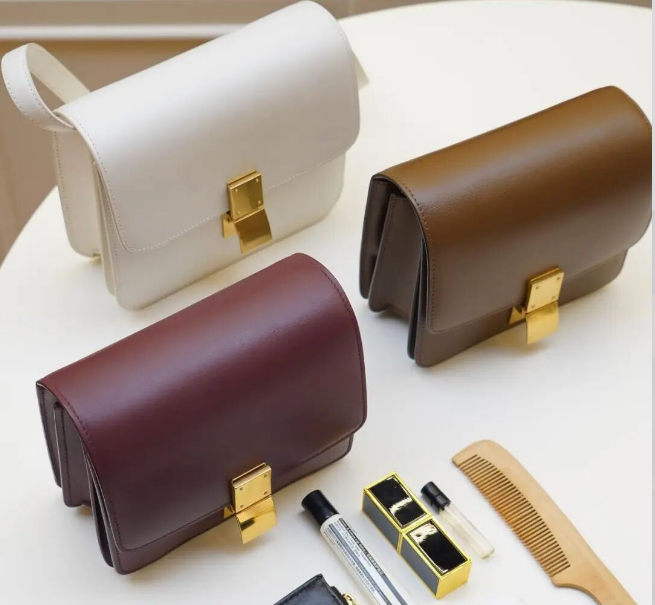
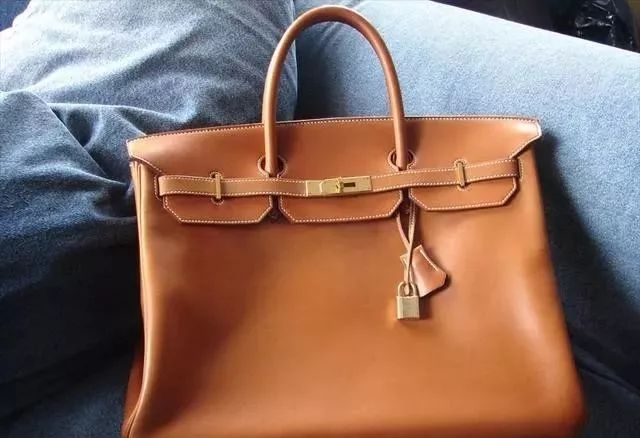
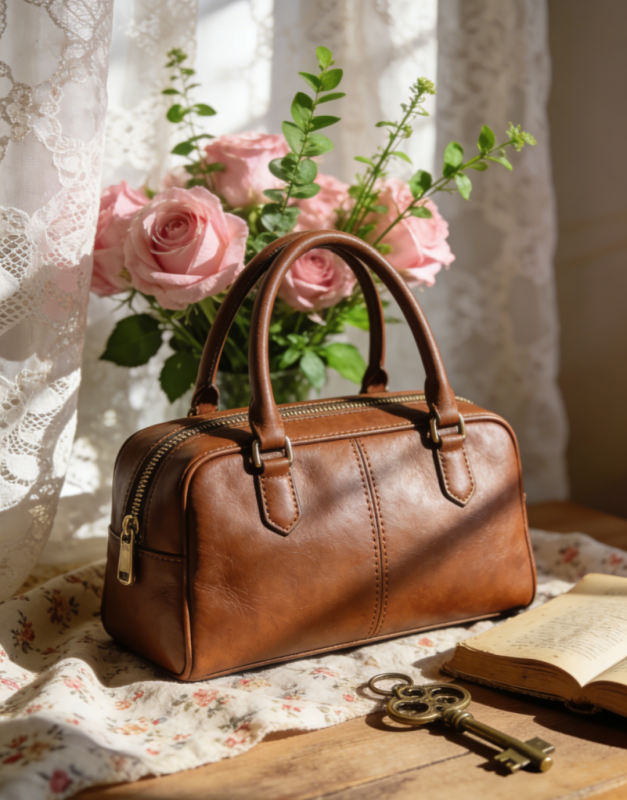
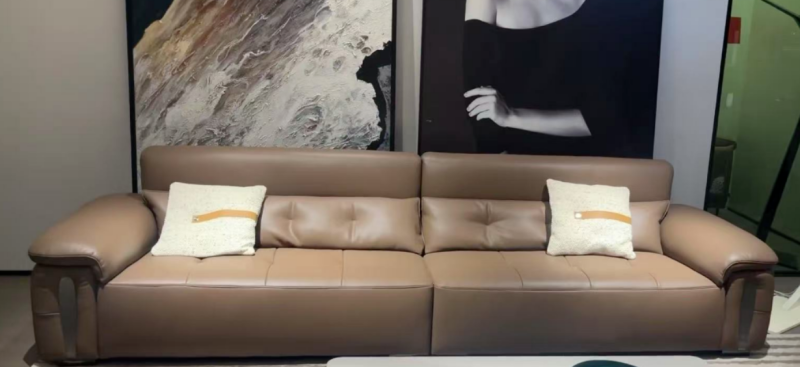
For bags, PVC leather is more commonly used. This is because the items inside the bag are different from the feet worn inside the shoes and do not emit heat; No need to bear personal weight. A PVC bag can be simply understood as having a layer of canvas as a base layer and a PVC coating on top—a typical example is LV monogram. The advantage of this fabric is its excellent dust and water resistance, good stretchability, and long-lasting durability. However, PVC may deform or crack after very long periods of heavy and heavy use, so we need to avoid packing too many heavy items during use. Using a bag liner is also a good option. It should be noted that the spray coating on PVC surfaces is highly resistant to alcohol.
Compared to PU leather, PVC leather has a shorter lifespan, is more prone to brittle and hardening, and has a stronger odor. PVC leather has good wear resistance, fold resistance, and water resistance, and is relatively affordable. Therefore, PVC leather is widely used by various brands and has broad applications in many fields, such as footwear materials, bags, furniture, and more. However, PVC leather has relatively poor environmental performance and causes some pollution during production.
![Image [3]-PU Leather vs PVC Leather: Key Differences in Manufacturing Process, Physical Properties, Breathability, Cost, Applications for Footwear and Bags, Environmental Impact, and Identification Tips-Nleather](https://www.nleather.com/wp-content/uploads/2026/06/image-126.png "image – Nleather")
Simple identification
The difference between PU and PVC is relatively simple. Looking at the edges and corners, PU’s base fabric is much thicker than PVC’s, and the feel is also different. PU feels softer to the touch; PVC feels harder to the touch; You can also use fire to burn it; PU has a much milder smell than PVC.

No comments yet