

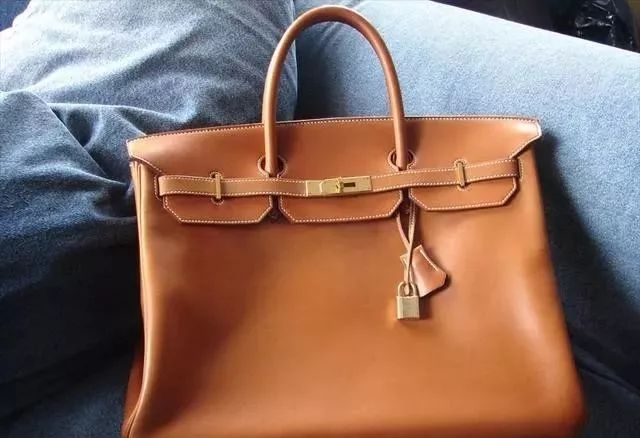
PU polyurethane artificial leather It is a type of synthetic leather fabric developed in the early 1960s using primed fabric as the base and polyurethane solution as the coating. It is also an important type of synthetic fabric and plays a significant role in daily life, including clothing, leather goods, wallets, handbags, and footwear.
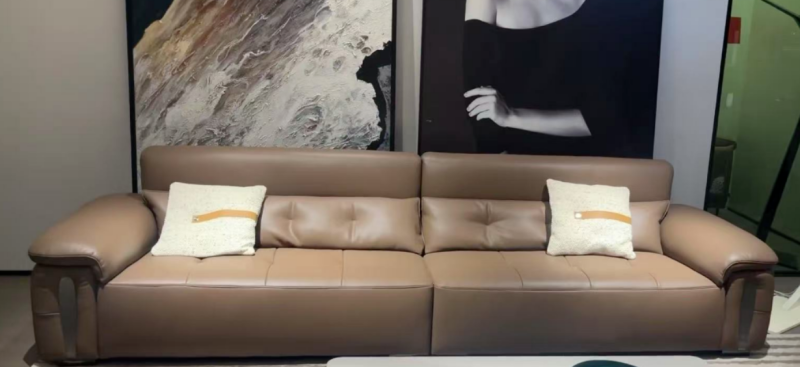
The raised fabric is soaked and coated with polyurethane solution, then solidified in a water bath to form a microporous layer, which is then ground to produce polyurethane suede. This kind of thing artificial leather Lightweight, soft, wear-resistant, warm, and unaffected by temperature changes, suitable for making clothing, higher-end bags, bags, and decorative items.
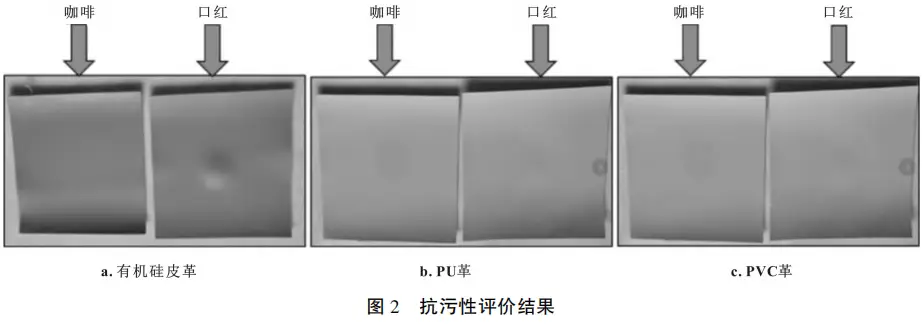
![Image [1]-PU Artificial Leather Identification and Use: How to Distinguish from Genuine Leather, Care Tips, Advantages, and Cleaning Methods-Nleather](https://www.nleather.com/wp-content/uploads/2026/06/image-115.png "image – Nleather")
Compared to genuine leather, PU fabric is more readily available raw materials and has a more mature production process. Currently, popular PU fabric products on the market can be further divided into PVC leather, Italian bran paper, recycled leather, and others.
Advantages and disadvantages of PU fabric
Advantages
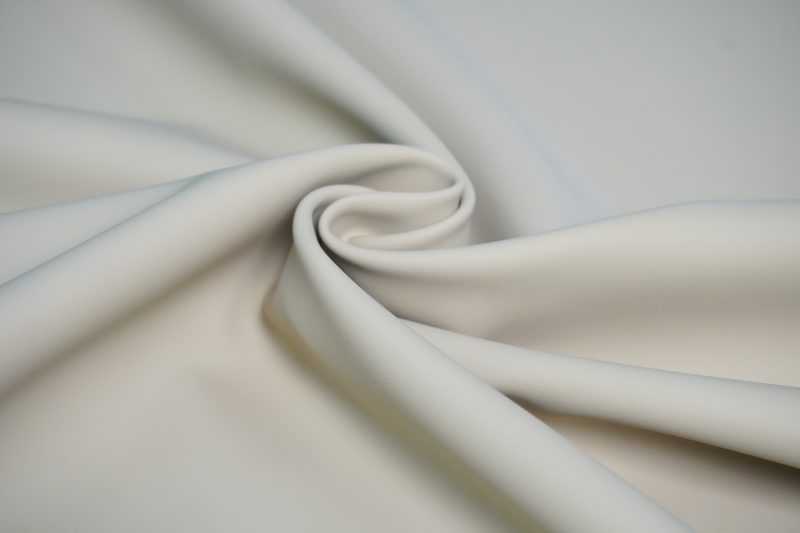
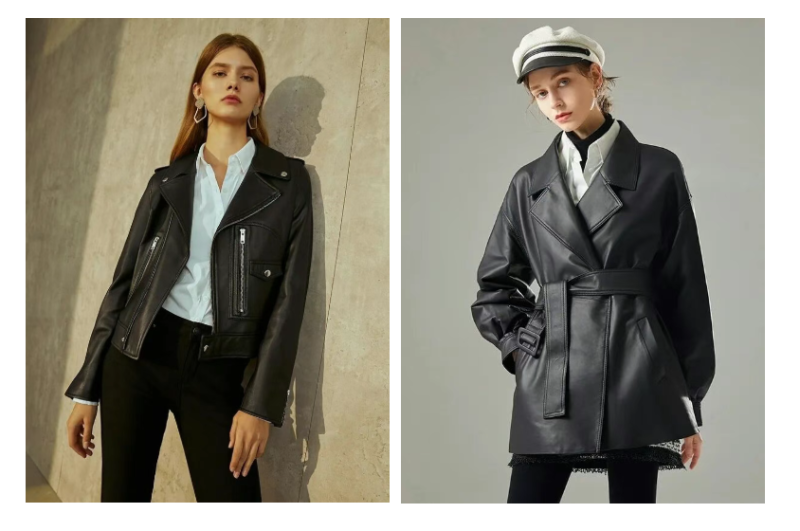
PU fabric has many advantages. We mainly analyze them from the perspectives of performance and decorative effect. First, let’s take a look at how the decorative effect of PU fabric is. As a highly favored and beloved simulated leather fabric, PU fabric has a texture and luster very similar to genuine leather, with a smooth surface and delicate feel. When used as a clothing fabric, it is quite comfortable to wear and can also enhance the owner’s aura and presence, making it an excellent decorative material.
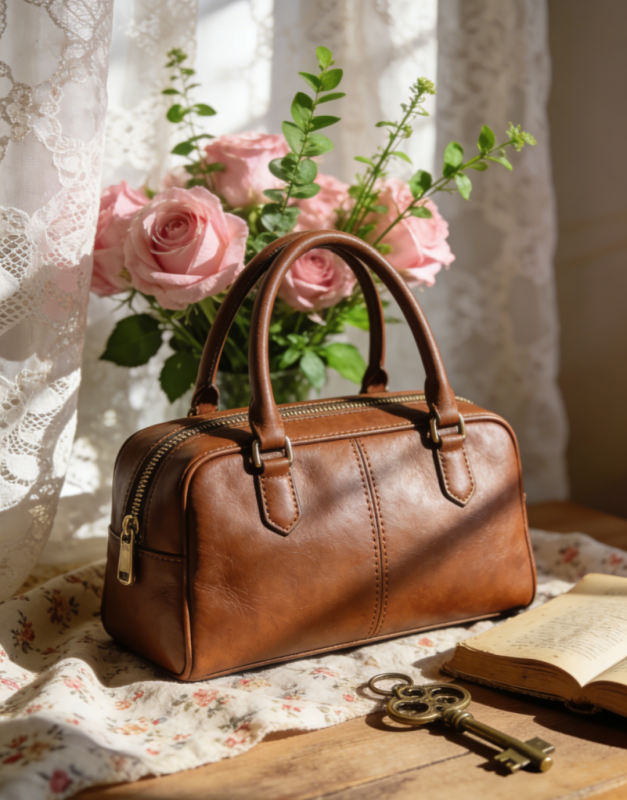
Additionally, in terms of product quality, PU fabric is quite reliable. It has stable physical properties, good durability, bending resistance, soft texture, stretch resistance, and good breathability, making it an ideal choice for clothing and apparel. At the same time, PU fabric is also a major advantage. Compared to genuine leather, PU fabric raw materials are easier to obtain, so costs are generally lower, market prices are more accessible to the general public, and product positioning is diverse, meeting the needs of different customers.
![Image [2]-PU Artificial Leather Identification and Use: How to Distinguish from Genuine Leather, Care Tips, Advantages, and Cleaning Methods-Nleather](https://www.nleather.com/wp-content/uploads/2026/06/image-116.png "image – Nleather")
Disadvantages
Although PU fabric has significant advantages as a synthetic leather fabric, it still has some drawbacks, such as poor abrasion resistance and low color fastness. After long-term use and friction, it may experience paint peeling or fading. Additionally, although PU fabric is easy to maintain, there are some precautions, such as not using gasoline to wipe it, avoiding excessive sun exposure, and not dry cleaning.
As long as PU fabric is properly washed and maintained, its service life can be extended.
Precautions for use
1. PU fabrics have rough surfaces and are difficult to stitch, but silicone oil is not recommended because silicone oil may evaporate locally, causing the silicone oil used for garments to become smooth and soft, creating a different tactile feel compared to the silicone oil used without it. So how do you sew PU leather?
A. Use detergent with water instead of silicone oil (but be sure to blow dry the fabric promptly after use to prevent mold spots).
B. When cutting the cut and end edges, use plastic corner pressers; do not use metal pressers, as this can easily damage the fabric surface. Stitch with cardboard or film for sewing.
C. When cutting the wide stitch, PU has elasticity and is prone to twisting; a presser foot roller can be used to assist sewing.
D. PU leather has a certain degree of elasticity, so anti-deformation interlining is needed where there are curves. Also, it’s not recommended to use dental scissors on curved areas. PU is a two-layer composite and can actually cause wrinkles and uneven clothing after cleaning.
2. PU fabric has weak folding and heat resistance and is not heat-resistant. In terms of process settings, try to avoid scalding, and if unavoidable, do not use an iron directly. Instead, cover the iron with a layer. It is best to choose breathable polyester spun fabric, and only press after the iron is secure.
3. When storing PU leather garments, keep them sufficiently dry; otherwise, mold spots may easily form. Try to hang and avoid stacking. Double-layered composite fabrics tend to crease at the folding points and are hard to remove.
Distinguish
Observe the pores
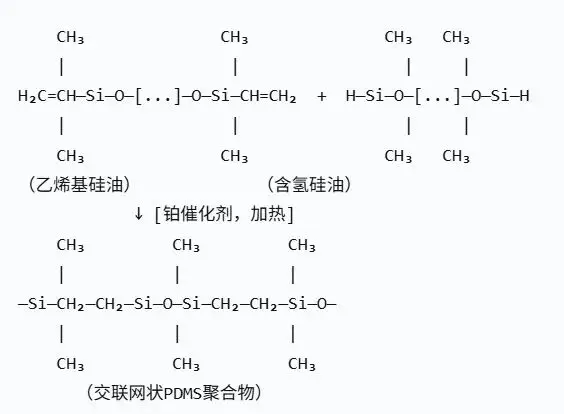
Natural leather shows patterns and pores on the surface, which are unevenly distributed; animal fibers are present on the reverse side, and the side cross-section layers are clearly distinguishable. The lower layer contains animal fibers; scraping with your fingernail will cause the leather fibers to stand upright and feel like fuzz, and a small amount of fiber can also fall off.
Some PU leathers also have pores and patterns, but these are not obvious, or show signs of regular artificial carving, and the sides lack animal fibers.
![Image [3]-PU Artificial Leather Identification and Use: How to Distinguish from Genuine Leather, Care Tips, Advantages, and Cleaning Methods-Nleather](https://www.nleather.com/wp-content/uploads/2026/06/image-117.png "image – Nleather")
smelling the scent of their fur
Natural leather emits a strong fur odor; even some processed products have a strong inherent odor;
PU leather products, on the other hand, have a plastic smell and lack the fur scent that natural leather produces.
Touch with your hands
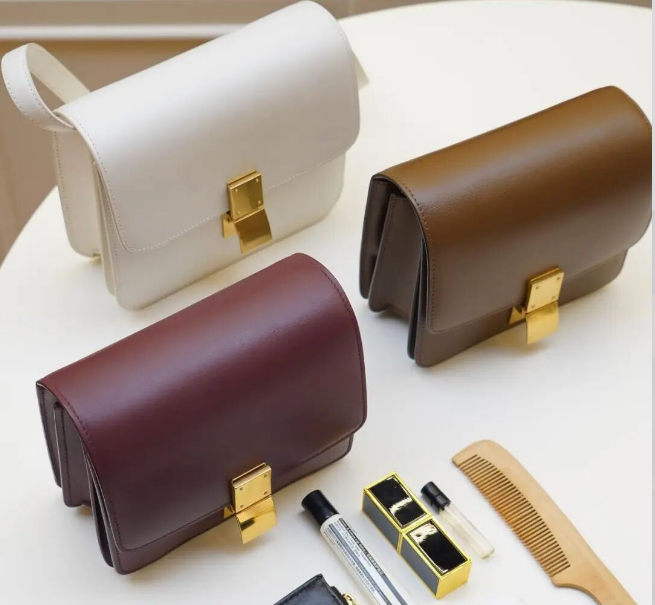
Natural leather is made of uneven fiber structure, which feels elastic to the touch. When bent downward at about 90 degrees from the front, natural wrinkles appear. When bent at different parts, the crease thickness and degree are noticeably uneven, and the texture is also uneven.
PU leather, on the other hand, feels like plastic to the touch, has poor elasticity, and when bent, the crease thickness is somewhat similar, with clear and even grain.
![Image [4]-PU Artificial Leather Identification and Use: How to Distinguish from Genuine Leather, Care Tips, Advantages, and Cleaning Methods-Nleather](https://www.nleather.com/wp-content/uploads/2026/06/image-118.png "image – Nleather")
Cleaning method
1. Wash with water and detergent; avoid scrubbing with gasoline
2. Cannot be dry cleaned
3. Only wash with water, and the washing temperature must not exceed 40 degrees
4. Do not expose to sunlight
5. Do not come into contact with some organic solvents
6.PU artificial leather The jacket must be stored in a hanging bag and cannot be folded

No comments yet