

With consumption upgrades and rising quality demands, the market has raised higher standards for the performance, appearance, and environmental attributes of various products, requiring the manufacturing industry to be driven by innovation as the core driver, especially in silicone leather and the entire rubber manufacturing sector.
![Image [1]-Silicone Leather Color Mixing Guide: Masterbatch Selection, Hue Transformation Principles, and Step-by-Step Process for Achieving Vibrant, Durable Silicone Products-Nleather](https://www.nleather.com/wp-content/uploads/2026/06/image-107.png "image – Nleather")
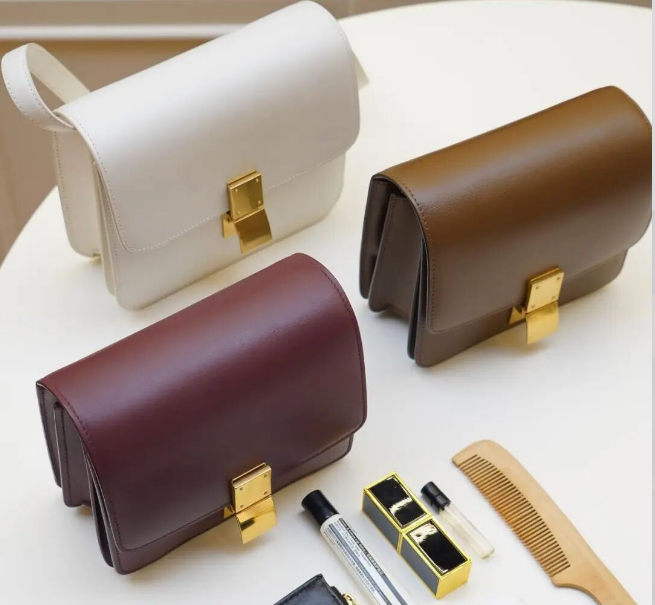
As is well known, silicone combines practical performance with aesthetic appeal, with excellent functionality. Compared to other rubber materials, it can achieve a wide range of color customization effects, greatly enhancing the product’s market competitiveness. As a high-end application form of silicone material, silicone leather, with its weather resistance, wear resistance, non-toxicity, and environmentally friendly properties, combined with diverse color schemes, has emerged in fields such as furniture, automotive interiors, and medical care, with an increasingly broad range of applications.
Nowadays, silicone products, including various silicone leather products, invest significant effort in design and blending of appearance colors. Whether it’s kitchenware, buttons, electronic accessories, or other daily neon products, industrial neon lamp sleeves, sealing rings, silicone tubes, silicone strips, or the vibrantly colored silicone leather, these products completely break the conventional black, white, and red color limits, presenting vibrant visual displays that empower products across various industries.
Silicone color-mixing material
The raw material for silicone is inherently transparent in color, colorless and odorless, making it a highly active material with strong adsorption properties. Except for strong alkalis, it does not conflict with any substances. During the production process of silicone raw materials, manufacturers generally choose to use masterbatch to create various colors.
Silicone masterbatch is formed by aggregating silicone raw materials, silicone oil, color powder, and dispersants. The reason for choosing silicone masterbatch to produce the colors of silicone products is that it has stable performance, high dispersibility, is evenly distributed on products, is environmentally friendly, non-toxic, pollution-free, and will not expire after long-term storage. Many properties are similar to those of silicone raw materials. Masterbatch can be divided into many types, mainly organic and inorganic.
Choosing the masterbatch
The main process of silicone masterbatch is used during mixing. If masterbatch is not added during mixing, the compound will be transparent in color.
The choice of masterbatch’s performance also affects the product’s performance. The discoloration of silicone products is also influenced by the choice of masterbatch. Strong light resistance prevents discoloration, and better heat resistance means higher dispersion power. High dispersion power means the product color distribution is even.
Silicone can come in thousands of colors, and many products with similar color differences are the hardest to mix. When made with silicone raw material, the ingredients are allocated according to the corresponding proportions, and only by adding vulcanizing agents can the raw materials for the product be obtained.
Color mixing
The color of silicone itself is transparent with a whitish tint, and mixing the color is a highly specialized task with a high level of technical skill. A single color mix may require hundreds or thousands of trials to meet the requirements. Operators should have rich operational experience, good color discrimination skills, and be familiar with the flexible use of various masterbatches.
In color theory, different colors are mixed to produce another color, called hue transformation. Only by mastering hue changes can you more easily create the target color.
Color mix: Green + Red = Brown
White + black = gray
Red + blue = purple
Red + yellow = orange
Yellow + blue = green
Color mixing of silicone products is not as simple as most people say, “Colors are darker or lighter.” Color differences usually include insufficient concentration, excessive concentration, red, green, yellow, blue, dark, light, and so on. Throughout the color matching process, you need to follow a slow transition from light to dark to accurately and quickly produce the desired colors.
During blending, attention must be paid to the mutual sterilization application. Decolorization refers to the mutual reduction of two types of dyeing. For example, if there is a blue with a red glow and the sample is deemed too red to meet the requirements, a small amount can be added.
The process of making silicone color mixing
In fact, some consumers may question brightly colored silicone products, especially food-grade ones, fearing that their color could cause quality issues. If you understand the process of silicone color mixing and the materials used for color matching, you will feel at ease!
To produce the target color, you first need to prepare masterbatch of different colors, extract a certain proportion from them, and place them into the silicone to be refined. Through friction rolling by the rubber mixer, the masterbatch and silica gel must be mixed evenly, and color mixing will not succeed in one go.
Most are close to the color tone, but there are still deviations. If the desired effect is not achieved, then the masterbatch and weight are added or removed based on the original formula to get it closest to the target color, and the formula is summarized and recorded. Usually, many subtle adjustments are needed to achieve the desired color.
Once the target color is obtained, the compound is made according to the proportions, then placed into the vulcanizing machine for high-temperature forming. During high-temperature forming, especially for products extruded from silicone gel, the cold treatment at the front and the hot vulcanization at the rear drying tunnel can greatly affect the color, so further color adjustments are needed.
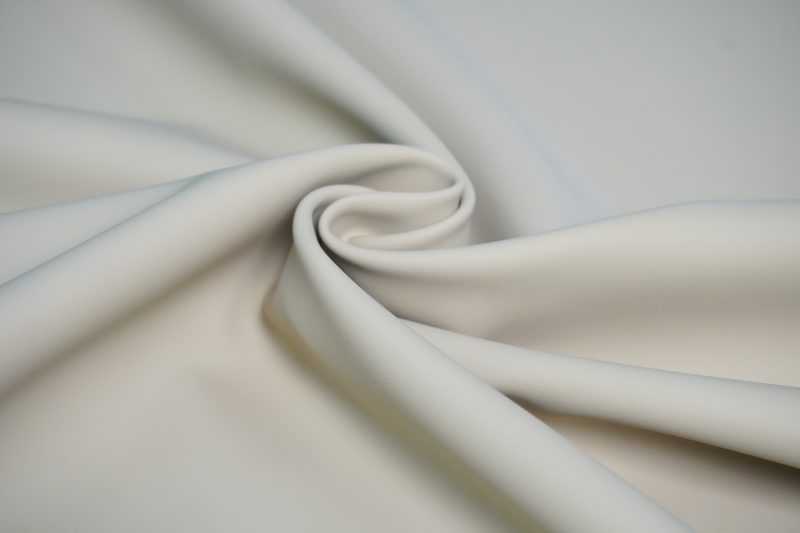
With continuous advances in industrial technology, today’s silicone rubber products are vibrant and colorful, with gradients, colors, and metallic colors all possible, freeing themselves from the previous sense of cheapness. Even the most basic white color can create different visual experiences depending on the surface treatment and lighting.



No comments yet