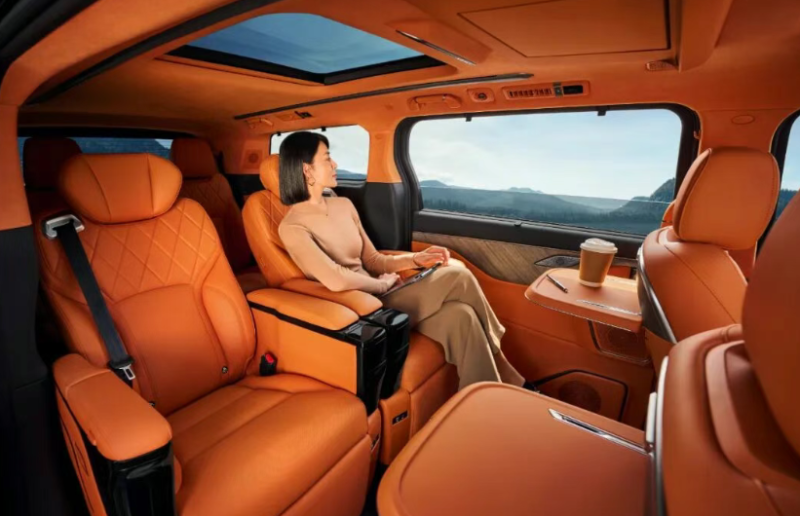


The surface texture of car interiors is no longer just decorative—they’re ‘companions’ that help regulate the driver’s physical and mental state. Starting from user needs, by understanding surface texture characteristics and reasonably applying multi-sensory design, not only can the product’s practical value be enhanced, but it can also impart emotional warmth and improve the user travel experience.
![Image [1]-Automotive Interior Surface Texture Design and Material Selection: Enhancing User Experience Through Multi-Sensory Integration, Tactile Comfort, and Functional Performance-Nleather](https://www.nleather.com/wp-content/uploads/2026/06/image-13.png "image – Nleather")
The texture of the materials themselves
As the soul carrier of a product’s appearance, materials’ color, texture, gloss, transparency, and other characteristics directly affect the surface texture of the product.
Take automotive interiors as an example: the matte texture and tactile feel of solid wood trim give the interior a sense of refinement and weight; Black chrome/colored electroplating is accented with local outlining or inlay to create a refined and understated sense of luxury; The fabric material offers a gentle and delicate touch, creating a warm and comfortable atmosphere; The crystal-effect transparent material instantly elevates the space’s luxury with dazzling shimmering light, making every touch a silent declaration of quality.
Material combinations with texture
Using different material combinations brings different visual and tactile experiences: the clever fusion of natural wood grain and blended fabrics allows users to feel relaxed and close to nature through close contact; The high unity of materials, colors, textures, and craftsmanship achieves a dual harmony of visual and tactile sensations, creating a seamless sense of quality.
Multi-sensory fusion
By combining visual, tactile, auditory, and olfactory elements in a layered combination, the ORA 5 offers a new interior texture experience.
Texture & color are interconnected and combined
Color spatial perception and understanding: imitation chamois leather The misty texture + delicate dark gold paint express a soft and refined feel, echoing the ice crystal hexagonal speaker enclosure and presenting a premium material feel.
3D texture multi-dimensional expression
Fusion of Technology and Art: The interior uses 3D embossed texture wrapping combined with ambient lighting, weaving a richly layered three-dimensional spatial experience that adds an extra touch of beauty to technology.
Explorers of new material aesthetics
Vintage Futurism: Classic houndstooth fabric + vintage-toned yarns weave a layered layered look, combining functionality and fashion expression
Expanding comfort and elevating the experience
Breathability and a dialogue with nature: Leather enhances breathability through perforated design and surface protective layers, creating a breathable feel in the seat material. Material selection, structural design, and functional optimization form the core of the seat comfort experience.
![Image [2]-Automotive Interior Surface Texture Design and Material Selection: Enhancing User Experience Through Multi-Sensory Integration, Tactile Comfort, and Functional Performance-Nleather](https://www.nleather.com/wp-content/uploads/2026/06/image-14.png "image – Nleather")
Leather materials
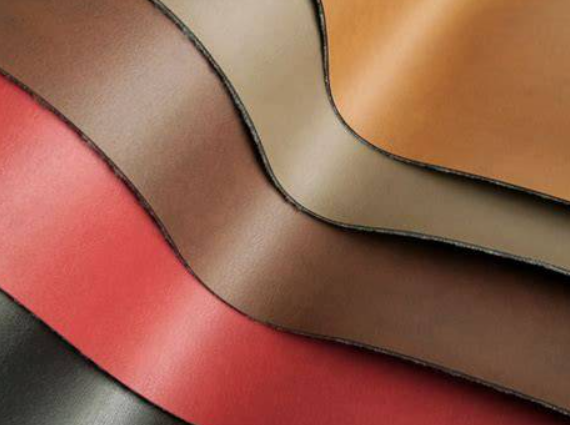
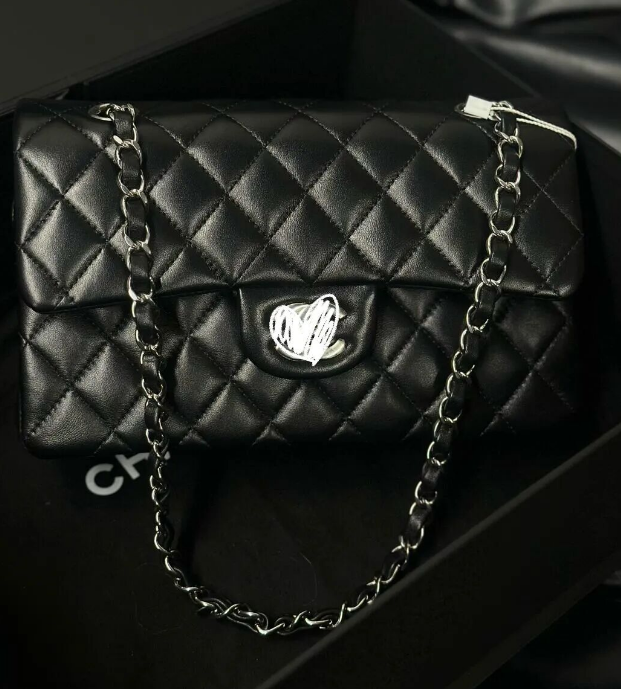
Currently, most genuine leather materials used in cars are made from genuine leather materials cow leather , from cattle on the ranch. Most of these cattle are beef cattle for consumption, cow leather In fact, it is a byproduct.
The most common type of Nappa leather is actually a leather processing technique, named after Sawyer Tannery in Napa County, California, USA. Over 100 years ago, the company invented a process to make leather using natural tanning agents, resulting in a delicate and soft product named Napa leather. Nappa leather pursues a simple and environmentally friendly processing process, so it demands very high quality from the original leather materials, with no obvious defects. To maximize the natural texture of the leather, Nappa leather is lightly finished, without embossing, resulting in a delicate surface sheen and a natural leather texture, elasticity, and good breathability.
But for higher-end luxury cars, they also use higher-quality, more expensive, and more extreme models Aniline skin , including Semi-aniline leather, full-aniline leather 。 Nappa, semi-aniline, and full aniline belong to relatively high-end leather crafts, with quality improving in order and requirements for raw materials also rising. Nappa is relatively common in mid-to-high-end vehicles, while semi-aniline and full aniline are generally only used in ultra-luxury brand cars priced at one million yuan or above. The higher the grade of leather, the higher the quality of the raw materials used, the fewer processing steps required, and the lower the processing depth, better preserving the natural appearance of the leather.
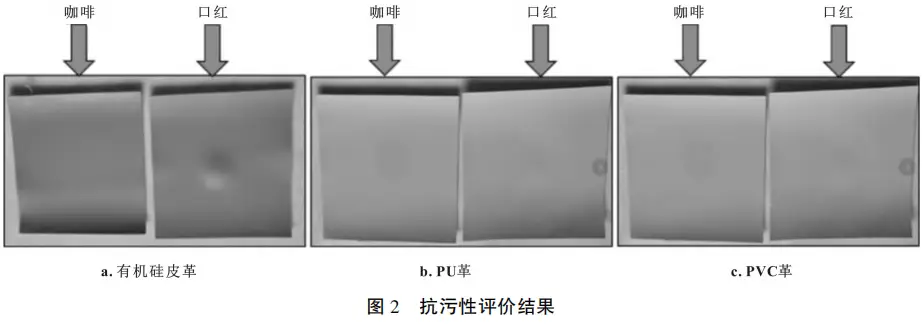
These natural leathers are usually expensive and delicate, with relatively good wear resistance, but poor stain resistance, require more maintenance, and once damaged, repair costs are high.
Common artificial leather mainly includes PVC (polyvinyl chloride) and PU (polyurethane). Among them, PVC is the cheapest, most widely used, and most common type of leather material. PU material is relatively better quality, close to genuine leather, and priced a bit higher. Although it looks like suede and feels very comfortable to the touch, it is actually an artificial synthetic material made of polyester and a certain proportion of polyurethane ethyl. This type of leather has a poor texture, easily yellows or hardens, and is usually used in mid- to low-end cars to save costs, which also shortens its lifespan.
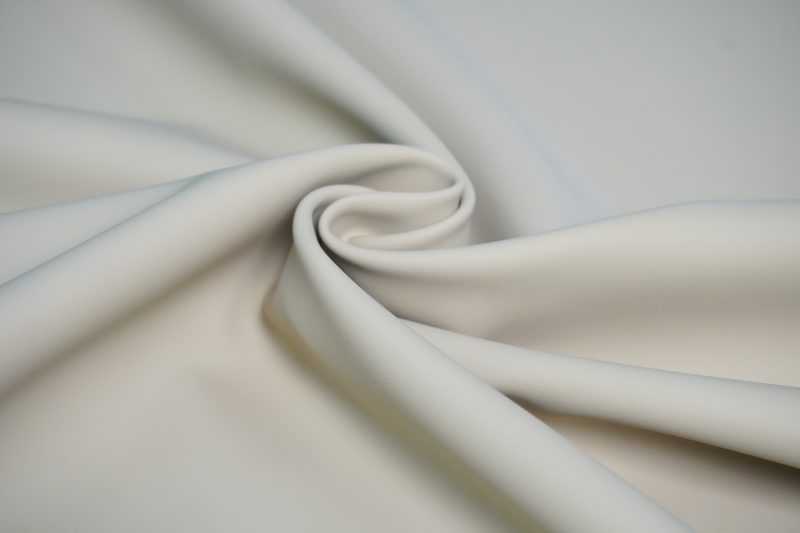
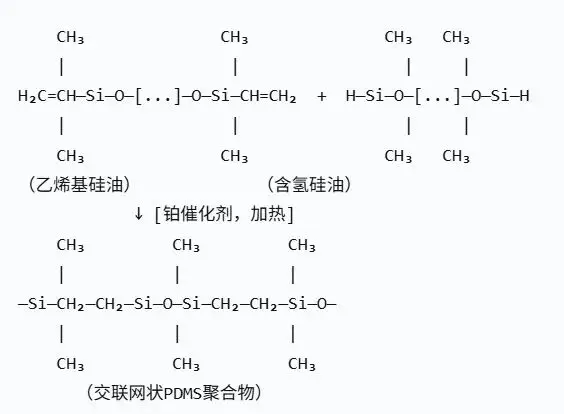
There is also a new type of synthetic leather, which has been increasingly used in automotive applications in recent years: silicone leather. It is currently the most cutting-edge third generation artificial leather The technology already offers a tactile feel that approaching that of natural genuine leather, while also solving the problems of natural leather being environmentally friendly, stain-resistant, mold-resistant, and antibacterial, while also offering other advantages artificial leather With a variety of colors, eco-friendly features, and a long service life, it is currently the most promising solution for automotive interior wrapping materials.

No comments yet