

Summary:
1. During daily use, it is waterproof and stain-resistant; avoid contact with hard objects. Horse tack and similar items are slightly waterproof but require extra caution with hard objects.
2. Primary and light colors Veg-tan You can speed up the light-coloring stage by supplementing fat, getting sunbathed, and rubbing.
3. Small stains and scratches are not recommended for treatment; avoid them first, as they will fade and become personal marks after normal use.
Friends often ask: Which wallet or leather is more durable? I think, first, we need to define what durability means. In terms of meaning, it means it stands the test of time—it won’t break or break with long-term normal use.
As everyone knows, top-layer leather is more durable than second-layer or PU leather, Veg-tan Pibi chrome-tanned leather, oil wax leather Durable, cow leather More durable than sheepskin or pigskin.
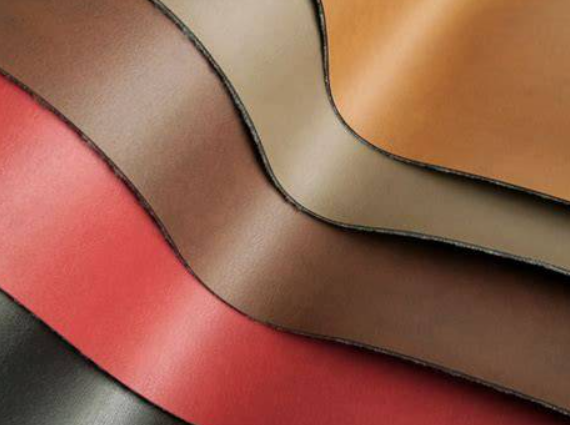
The most basic leather material used in handmade leather goods—natural colors Veg-tan It’s the first floor Veg-tan cow leather , which is also the genuine leather part of LV bags (like handle trimming, etc.), and can be used for ten to eight years without any issues.
![Image [1]-The Complete Handmade Veg-tan Leather Care Guide: Proper Use, Sun Exposure, Oiling, Maintenance, and Cleaning for Durability and Beautiful Patina-Nleather](https://www.nleather.com/wp-content/uploads/2026/05/image-46.png "– Nleather")
(Primary colors Veg-tan The difference is that when new, after sunbathing for a week, or after normal use for a month)
Meanwhile, British horse tack, Japanese Tochigi Belgium’s Lejia and other special products are the top layers carefully selected by leather mills worldwide after deep processing Veg-tan cow leather Of course, it will only be more durable, not to mention the more luxurious horse rump leather or crocodile leather.
However, durability is not the same as being constantly fresh and always used; the original color is not the same Veg-tan It can discolor when wet, easily gets dirty, and has a hard, glossy surface Veg-tan They easily leave scratches. Everyone has different usage habits; some become oilier and shinier after ten years, while others become scarred after just one day.
In this era of industrialization, The more natural it is Textured things, except for that and is even more precious Outside, it happens often The more delicate and noble she becomes 。 If you don’t know how to maintain it or don’t want to maintain it, it’s better to buy one artificial leather After all, compared to genuine leather, PU and PVC are water-resistant and durable.
Here, I want to share the correct methods for use, maintenance, and cleaning, hoping to let handmade leather goods shine with their true brilliance.
1. Proper use
2. Cattle Raising and Daily Maintenance
3. General cleaning treatment
4. Small-area wet water treatment
5. Scratch treatment
1. Proper use
Daily use precautions: Waterproof and stain-resistant, avoid contact with hard objects
Primary colors Veg-tan , because the color is lighter when new, the most common problem is water contact or other stains, discoloration, and dirt. As shown below:
![Image [2]-The Complete Handmade Veg-tan Leather Care Guide: Proper Use, Sun Exposure, Oiling, Maintenance, and Cleaning for Durability and Beautiful Patina-Nleather](https://www.nleather.com/wp-content/uploads/2026/05/image-47.png "– Nleather")
(British harness has a slight waterproof effect due to its wax protection.)
Although in the UK bridle leather Belgian Lejat, Japanese Tipo, and Japanese horsehip have undergone deep processing, using surface treatments such as waxing, giving them some waterproof properties, but… Too much or prolonged exposure can still seep in Therefore, you should promptly wipe off any surface water stains with a clean cotton cloth or tissue.
At the same time, these are smooth Veg-tan leather should be avoided even more so from contact with hard objects.
![Image [3]-The Complete Handmade Veg-tan Leather Care Guide: Proper Use, Sun Exposure, Oiling, Maintenance, and Cleaning for Durability and Beautiful Patina-Nleather](https://www.nleather.com/wp-content/uploads/2026/05/image-49.png "– Nleather")
(The upper right side shows nail scratches, the bottom shows key scratches)
In daily use, the most common scratch killers are nails and keys. It doesn’t require much effort; just make sure not to scratch the surface with your nails or put it together with scattered keys or other hard objects in your bag, and scratches are less likely to be found.
2. Cattle Raising and Daily Maintenance
Daily use precautions: Waterproof and stain-resistant, avoid contact with hard objects
Veg-tan Leather raising cattle is a hot topic among many players, especially the natural colors Veg-tan After the passage of time, its luster, color, and texture all undergo noticeable changes. But setting aside metaphysics, from a scientific perspective, proper maintenance can accelerate this process.
Discoloration is essentially the oxidation of tannins in plants, causing the original color Veg-tan From off-white to yellow-brown, and finally deep brown, and other colors Veg-tan From light to dark, this color change process can also make the original light color even lighter Veg-tan The unbearable stains and blemishes left on the skin become inconspicuous, even becoming unique mottled marks.
If you want to change color, there are two factors that can speed it up: sun exposure + oil.
Just like humans, natural skin changes color quickly when exposed to ultraviolet rays from sunlight.
![Image [4]-The Complete Handmade Veg-tan Leather Care Guide: Proper Use, Sun Exposure, Oiling, Maintenance, and Cleaning for Durability and Beautiful Patina-Nleather](https://www.nleather.com/wp-content/uploads/2026/05/image-50-1024x768.png "– Nleather")
(Comparison with the new one after half a month of sunbathing through the window)
But just as excessive UV rays can sunburn the skin, Veg-tan For skin, sun exposure accelerates aging, requiring oils to nourish and protect it, while also deepening the color and increasing radiance.
Besides discoloration, another key point in cattle farming is luster. Just like the patina on antiques like bracelets and jade, using fingers and palms to “massage” the leather surface during use makes the leather more lustrous and comfortable to the touch. Essentially, it uses soft cloth and hands to slowly polish by rubbing high-mesh items (equivalent to 5000 grit sandpaper), with oils secreted by the body also playing a role.
![Image [5]-The Complete Handmade Veg-tan Leather Care Guide: Proper Use, Sun Exposure, Oiling, Maintenance, and Cleaning for Durability and Beautiful Patina-Nleather](https://www.nleather.com/wp-content/uploads/2026/05/image-51.png "– Nleather")
(The warm light didn’t adjust the white balance well, but you can still see the difference before and after friction.)
Personally, I don’t recommend speeding up cattle farming, since every stage of leather has its own unique charm. But once you understand the principle, you can speed up the cattle raising process through sunlight, grease, and friction, quickly getting past the awkward stage of light stains and dirt.
During cattle farming, fat always plays an important role, and fat is taken away in large quantities as moisture evaporates and is gradually lost during storage. Therefore, replenishing fat is key to maintenance.
Generally speaking, the leather I use is rich in oils. When should I replenish the oil? Generally, this is when it feels dry to the touch.
Fat supplementation generally uses animal fats, such as horn oil, horse oil, and mink oil. Ox horn oil discolors the fastest, while horse oil absorbs best. However, we generally recommend using Japanese Columbus mink oil, because in addition to its natural and gentle discoloration, mink oil contains a small amount of wax, which provides some stain protection and protection.
![Image [6]-The Complete Handmade Veg-tan Leather Care Guide: Proper Use, Sun Exposure, Oiling, Maintenance, and Cleaning for Durability and Beautiful Patina-Nleather](https://www.nleather.com/wp-content/uploads/2026/05/image-52.png "– Nleather")
(Differences before and after Japanese mink oil production)
Japanese pure mink oil solidifies at room temperature. When using, wash your hands thoroughly and gently rub the leather surface with your fingertips dipped in oil, or gently rub in circles with a white cotton cloth for more even application. Be careful not to dip too much oil in one go; once the oil is absorbed, it will only cover the surface of the leather, and dirt can easily stain the leather. After oiling, it’s best to rub and polish with a cotton cloth to remove excess grease and also enhance gloss.
3. General cleaning treatment:
Daily usage precautions: waterproof and stain-resistant, avoid contact with hard objects (important things must be said three times)
For small stains, my advice is—don’t treat them, because once the leather color darkens, these tiny stains won’t have much impact and will instead create a vintage special style. The best way to deal with them is to quickly get past the early stages by raising cattle.
![Image [7]-The Complete Handmade Veg-tan Leather Care Guide: Proper Use, Sun Exposure, Oiling, Maintenance, and Cleaning for Durability and Beautiful Patina-Nleather](https://www.nleather.com/wp-content/uploads/2026/05/image-53.png "– Nleather")
Because Veg-tan Leather easily absorbs moisture and oil—so don’t try to wipe it off with water, as it will only turn a small stain into a small piece.
If you really care about this, you might consider buying film removal and saddle soap. Film removal is like an eraser, wiping away dirt that doesn’t penetrate the leather surface and only sticks to it
![Image [8]-The Complete Handmade Veg-tan Leather Care Guide: Proper Use, Sun Exposure, Oiling, Maintenance, and Cleaning for Durability and Beautiful Patina-Nleather](https://www.nleather.com/wp-content/uploads/2026/05/image-54.png "– Nleather")
Saddle soap should be used cautiously. Based on experience, once the leather has reached a certain level of coloring, it is feasible to use saddle soap to assist overall cleaning, because saddle soap carries away the oils in the leather, so it must be oiled and cared for after cleaning. Moreover, residual dust from leather goods is not easily removed from the leather, so small-area use is not recommended.
If a small area of clean water is splashed during use, the water will quickly seep in. Once the water dries naturally, it usually leaves no trace. If traces remain, it means the water is not clean and contains other impurities. Be careful during use to avoid contact with liquid oil stains and clothing stains.
4. Small-area wet water treatment
![Image [9]-The Complete Handmade Veg-tan Leather Care Guide: Proper Use, Sun Exposure, Oiling, Maintenance, and Cleaning for Durability and Beautiful Patina-Nleather](https://www.nleather.com/wp-content/uploads/2026/05/image-55-1024x576.png "– Nleather")
If it gets wet from rain, it may leave water stains when drying.
![Image [10]-The Complete Handmade Veg-tan Leather Care Guide: Proper Use, Sun Exposure, Oiling, Maintenance, and Cleaning for Durability and Beautiful Patina-Nleather](https://www.nleather.com/wp-content/uploads/2026/05/image-56-1024x576.png "– Nleather")
You can use a clean cotton cloth dampened with water to evenly moisten everything.
![Image [11]-The Complete Handmade Veg-tan Leather Care Guide: Proper Use, Sun Exposure, Oiling, Maintenance, and Cleaning for Durability and Beautiful Patina-Nleather](https://www.nleather.com/wp-content/uploads/2026/05/image-57-1024x576.png "– Nleather")
Let it dry in a cool place, then add oils (such as mink oil); otherwise, moisture will carry the oil and the skin will lose its natural oil, causing the leather surface to harden and age.
5. Scratch treatment
As for scratches, it’s also recommended not to treat them deliberately. Scratches will fade slightly with daily use and friction, and there’s no other way. So it’s best to avoid getting scratched by hard objects.
![Image [12]-The Complete Handmade Veg-tan Leather Care Guide: Proper Use, Sun Exposure, Oiling, Maintenance, and Cleaning for Durability and Beautiful Patina-Nleather](https://www.nleather.com/wp-content/uploads/2026/05/image-58.png "– Nleather")
(Before treatment, there were artificial scratches on nails and keys)
![Image [13]-The Complete Handmade Veg-tan Leather Care Guide: Proper Use, Sun Exposure, Oiling, Maintenance, and Cleaning for Durability and Beautiful Patina-Nleather](https://www.nleather.com/wp-content/uploads/2026/05/image-59.png "– Nleather")
After friction polishing, it becomes slightly lighter but cannot be completely eliminated)





No comments yet