

A smartphone, a pair of earphones, a smartwatch—these are among the objects we interact with most frequently in modern life. The tactile feel, durability, and sense of security conveyed by their surface materials subtly influence the pleasure we derive from every use. This is precisely why an increasing number of leading brands are investing in surface material innovation—from skin-friendly coatings to eco-friendly fabrics and various composite leathers. The sheer number of options can be overwhelming for consumers.
Among all the alternatives, however, the contest between PU leather and silicone leather is the most telling. These two materials stand on fundamentally different technological trajectories: one is cheap and mature, long dominating the mid‑to‑low end of the market; the other offers superior performance and a solid user experience, quietly becoming the default choice for premium products.
So, setting aside marketing hype, let us examine the facts: in the context of 3C devices, which material truly holds up better under scrutiny?
![Image [1]-Silicone Leather vs. PU Leather for 3C Devices: A Complete Performance and Safety Comparison – Nleather-Nleather](https://www.nleather.com/wp-content/uploads/2026/08/20260816-114949-jqsPm-nleather-silicone-leather.jpg "20260816-114949-jqsPm-nleather-silicone-leather – Nleather")
The Industrial Logic of PU Leather and Its Inherent Limitations
Objectively speaking, the widespread use of PU leather in consumer electronics has its industrial rationale.
PU, or polyurethane, is produced by coating a resin layer onto a fabric substrate (typically polyester or cotton) and then drying and embossing it. Its advantages include a mature production process, a highly integrated upstream supply chain, excellent product consistency, and an initial appearance and hand‑feel that are quite deceptive—fresh out of the mould, the softness and gloss are highly appealing.
However, from a materials science perspective, PU is essentially a thermoplastic polymer whose molecular chains contain numerous ester or ether groups. These groups are sensitive to ultraviolet light, heat, and moisture. This inherent chemical structure dictates a series of unavoidable long‑term performance issues.
The mechanism of ageing and yellowing. Under UV exposure, PU molecular chains undergo Norrish photolysis, generating chromophoric conjugated structures. Meanwhile, thermo‑oxidative conditions cause chain scission and re‑crosslinking, leading to progressive hardening and embrittlement. For accessories like phone cases and tablet covers that are frequently exposed to ambient light, this ageing process proceeds at a steady pace. Light‑coloured PU products typically show visibly perceptible discolouration within six to twelve months, with the yellowing being most pronounced in areas of frequent hand contact.
Limitations in scratch resistance. The surface hardness of PU typically falls within the Shore A 60‑75 range, and coating thickness—constrained by cost—is usually kept below 0.1 mm. This offers insufficient defence against everyday abrasion from keys, zippers, or desk surfaces. Once the surface layer is breached, the underlying fibrous substrate becomes exposed, not only degrading the visual appearance but also creating a breeding ground for dirt and bacteria.
Stickiness under humid and warm conditions. PU has a glass transition temperature (Tg) near room temperature. As ambient temperature rises, segmental molecular motion intensifies, producing a pronounced viscoelastic response—colloquially, it becomes “sticky.” Combined with sweat salts and skin oils, this tackiness is further exacerbated. Wearable devices such as smartwatch straps or VR head‑set face masks made of PU increasingly discomfort users as wearing time extends.
Plasticiser migration and odour issues. To achieve adequate flexibility, PU production often requires the addition of small‑molecule plasticisers, such as phthalates. These substances are not chemically bonded to the polyurethane matrix; over time they migrate to the surface, causing both a sticky feel and the release of volatile organic compounds (VOCs). For sensitive users, this odour is not merely a nuisance but may also be linked to skin irritation.
Furthermore, from a life‑cycle perspective, PU degrades slowly in landfill conditions, and its recycling infrastructure remains inadequate. As consumer electronics turnover accelerates, the environmental burden of discarded PU accessories is increasingly concerning.
![Image [2]-Silicone Leather vs. PU Leather for 3C Devices: A Complete Performance and Safety Comparison – Nleather-Nleather](https://www.nleather.com/wp-content/uploads/2026/08/20260816-115027-9DRHH-nleather-silicone-leather.jpg "20260816-115027-9DRHH-nleather-silicone-leather – Nleather")
Silicone Leather: A Fundamental Shift in Material Logic
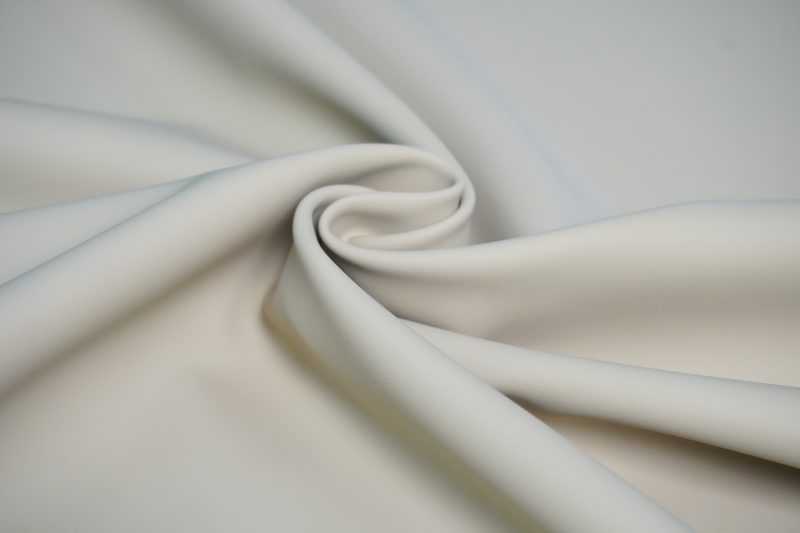
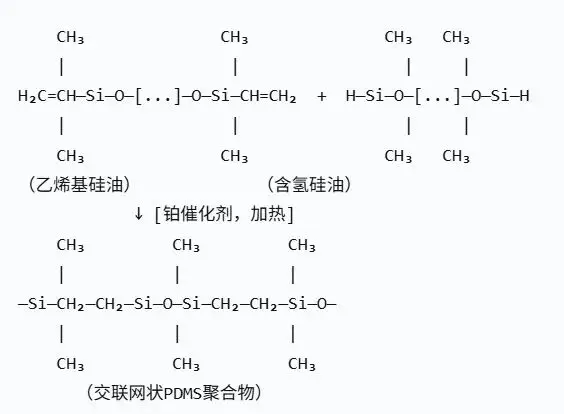
Silicone leather takes a completely different technological approach. It uses silicone rubber (either liquid or high‑temperature vulcanised) as the surface layer, laminated onto various fabric substrates—polyester, nylon, or even aramid. Its core chemical structure is the siloxane bond (Si–O–Si), with a bond energy as high as 445 kJ/mol—far surpassing the C–C bond at about 348 kJ/mol. This microscopic difference translates into a series of significant performance gains in real‑world use.
Biocompatibility and skin‑contact safety. Silicone materials have been used in medical devices for decades, with a proven track record of being non‑toxic, odourless, and free from plasticisers and halogenated flame retardants. In 3C applications where direct skin contact occurs—watch straps, earphone cushions, VR face masks—silicone leather minimises the risk of allergic reactions. Its tactile signature is a fine, dry, non‑sticky texture, somewhere between elastomer and high‑density textile, with a coefficient of friction that feels just right.
Weather resistance and anti‑yellowing performance—empirically verified. In standard QUV accelerated weathering tests (UVA‑340 lamps, irradiance 0.89 W/m², black‑panel temperature 60°C, light/condensation cycles), silicone leather typically shows a colour difference (ΔE) of less than 1 after 500 hours of exposure, whereas PU leather often exceeds ΔE = 5. After 72 hours in a 100°C hot‑air oven, PU hardness increases by over 20%, while silicone leather hardness changes by less than 5%. This means silicone leather maintains its original colour and softness far more consistently—particularly valuable for light‑coloured designs that aspire to lasting aesthetic appeal.
A significant gap in abrasion resistance. Using a Taber abraser (CS‑10 wheels, 500g load), PU leather typically reveals its fabric substrate after 8,000 to 10,000 cycles, while silicone leather withstands over 50,000 cycles—and high‑performance formulations can exceed 100,000. In everyday terms, incidental scraping against keys or tabletops rarely leaves permanent marks on silicone surfaces.
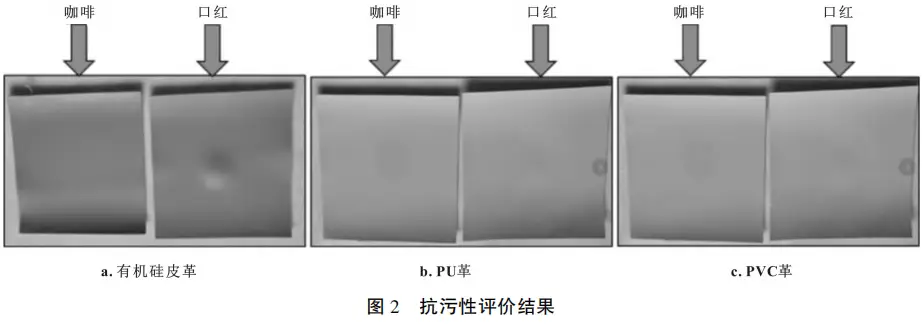
Easy cleaning and stain resistance. Silicone has low surface energy, with a water contact angle typically above 100°, rendering it both hydrophobic and oleophobic. Common contaminants—hand perspiration, cosmetic residues, sauces, or fruit juices—can be wiped clean with a damp cloth, with no penetration or staining. This greatly reduces maintenance burdens on frequently handled items like earphone charging cases and portable mice.
Inherent flame retardancy. Silicone rubber is intrinsically self‑extinguishing; it achieves UL94 V‑0 rating in vertical burn tests without the need for added halogenated flame retardants. For electronics containing lithium‑ion batteries, this provides an extra layer of safety. Conventional PU, without flame‑retardant additives, typically attains only HB rating, and adding such additives often leads to exudation and accelerated ageing.
![Image [3]-Silicone Leather vs. PU Leather for 3C Devices: A Complete Performance and Safety Comparison – Nleather-Nleather](https://www.nleather.com/wp-content/uploads/2026/08/20260816-115141-tZYRM-nleather-silicone-leather.png "20260816-115141-tZYRM-nleather-silicone-leather – Nleather")
A Balanced View of Silicone Leather’s Limitations
To be objective, silicone leather is not superior in every single dimension. It also presents challenges that designers and manufacturers must address.
Cost barrier. Silicone raw materials cost 1.5 to 2 times more than polyurethane, and the coating and vulcanisation processes are more complex, with tighter control over yield. The overall material cost is typically 40‑60% higher than that of PU. This inevitably translates to higher retail prices, positioning silicone‑based accessories in the mid‑to‑high tier.
Tactile character. Silicone’s inherent elasticity gives it a softer, more compliant feel, unlike the crisp, firm texture of genuine leather. Users accustomed to traditional leather stiffness may need an adaptation period. However, by adjusting crosslink density and filler formulations, suppliers now offer a broad hardness range from Shore A 60 to 90 to suit different product requirements.
Fine texture retention. Because silicone surfaces are more elastic, extremely fine embossed patterns may not maintain their sharpness under prolonged pressure as well as PU does. For designs that demand crisp edge definition or high‑relief effects, early consultation with the material supplier on mould temperature and curing parameters is essential.
Thin‑film processing challenges. 3C devices pursue extreme thinness, placing stringent demands on coating thickness. Achieving defect‑free silicone coatings below 0.15 mm requires high‑precision coating equipment and specialised primer formulations. Currently, only a handful of domestic manufacturers have stable mass‑production capabilities.
Which Product Categories Benefit Most from Silicone Leather?
From an application standpoint, the following product types realise the most noticeable user‑experience improvements when switching to silicone leather:
- Smartwatch straps – prolonged skin contact demands low allergenicity and sweat resistance.
- VR/AR headset face masks and headbands – large contact area and extended wear time make breathability and skin‑friendliness critical for immersion.
- TWS earphone charging case covers – frequent handling and exposure to finger oils, combined with abrasion inside bags, make self‑cleaning and wear resistance highly valuable.
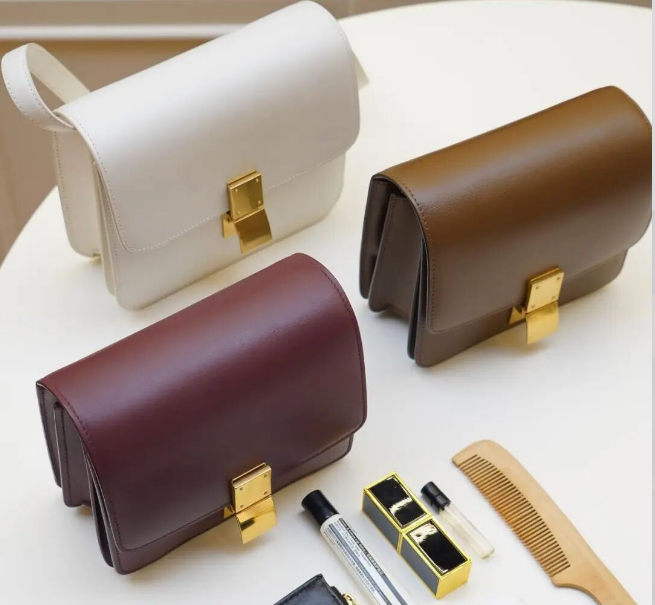
- Premium phone and tablet cases – their user base typically expects long‑term colour stability and an overall premium feel.
- Laptop A‑cover wraps – as a direct expression of brand identity, weather resistance and a refined tactile experience are essential.
How to Identify Genuine High‑Quality Silicone Leather
As silicone leather gains market traction, some unscrupulous vendors offer “silicone‑oil coated” or “silicone‑modified” PU products misrepresented as pure silicone leather. The following identification methods can help procurement and design teams distinguish the real from the fake:
Odour check. Genuine silicone leather has only a faint rubber‑like smell, with no pungent chemical or aromatic odour. Any noticeable solvent‑type smell usually indicates the presence of unreacted oligomers or residual solvents.
Indentation recovery test. Press firmly with a thumbnail or blunt hard object for five seconds, then release. Properly crosslinked silicone leather recovers fully within one second, leaving no mark. Slow recovery or permanent indentation signals insufficient crosslink density or excessive filler content.
Scratch test. Scratch the surface with moderate force using the blunt edge of a key or coin. Pure silicone will show only a transient white mark, which largely disappears after rubbing with a finger. PU or silicone‑oil coated fakes will exhibit a clear, irreparable groove.
Third‑party test reports. Export‑grade products should at least comply with REACH, RoHS, or OEKO‑TEX Standard 100. Always check the issue date and the credibility of the testing lab—prefer reports from SGS, TÜV, or CTI.
Advanced verifications for B‑2‑B buyers. Two additional tests are recommended: migration test – press the silicone leather against a glass plate or metal sheet at 70°C for 48 hours to check for silicone oil exudation; peel strength test – ensure the bond between coating and substrate exceeds 25 N/25mm to guarantee reliability in subsequent thermoforming processes.

No comments yet