

In today’s pursuit of individuality and sustainable lifestyles, Veg-tan Leather is highly favored for its natural and eco-friendly qualities. However, in ” Veg-tan “Under this major category, a quiet revolution is underway. Traditional Veg-tan Revolution and the emerging “water-based properties.” Veg-tan “Revolution” forms an interesting contrast. This article will delve into the core differences between the two to help you make a wiser choice.
![Image [1]-Veg-tan Leather Comparison: Stunning Eco Choices, Best Guide – Nleather-Nleather](https://www.nleather.com/wp-content/uploads/2026/07/20260726-174507-DRMX3-nleather-silicone-leather.png "20260726-174507-DRMX3-nleather-silicone-leather – Nleather")
Core Definitions and Process Reveals
1. Tradition Veg-tan Leather
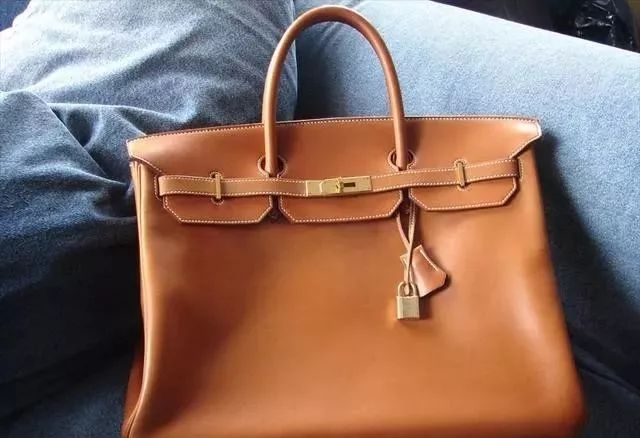
· Definition: Refers to the process of tanning raw hides using natural tannic acid extracted from plants (such as trees, bark, leaves), transforming them into durable leather. This is one of the oldest leather tanning methods in the world.
· Core of the process: The cleaned hides are soaked in tanning tanks filled with plant tannins (usually drums), allowing tannin molecules to slowly and thoroughly penetrate the skin fibers over several weeks or even months, allowing them to stabilize and form.
2. Water-based Veg-tan Leather
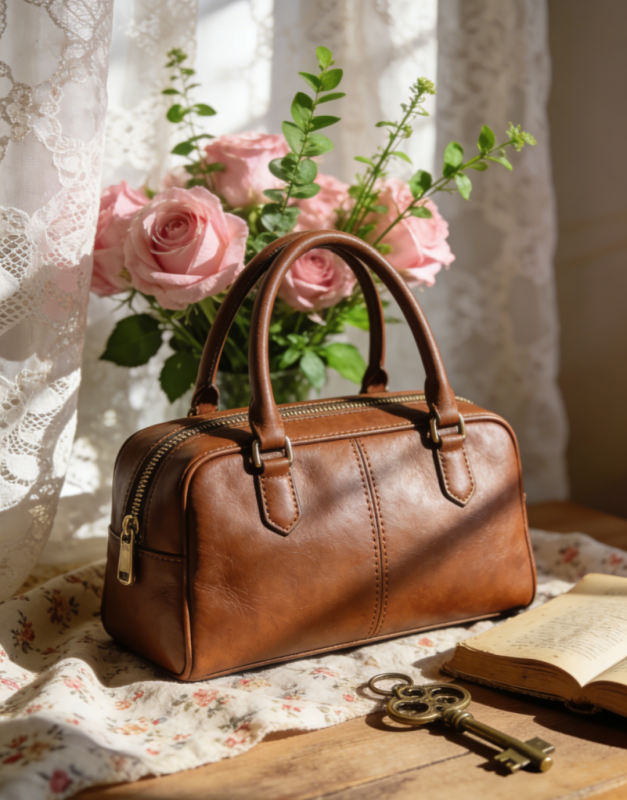
· Definition: This is traditional Veg-tan Environmental upgrades based on craftsmanship. It does not refer to tanning with water, but specifically to the treatment of the leather surface during the finishing stage using water-based (rather than oil-based or solvent-based) materials such as pigments and resins.
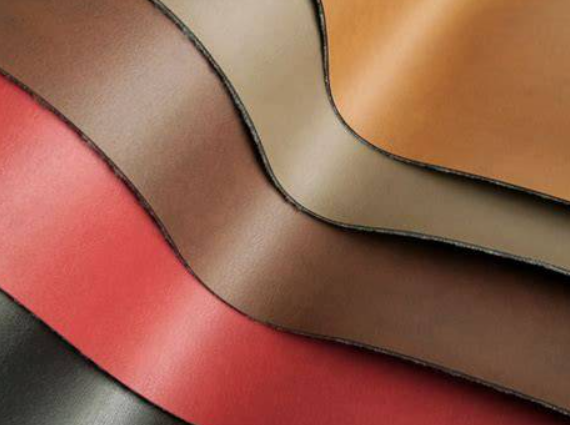
· Core craftsmanship: The base leather is still tanned using traditional vegetable tannins, ensuring the natural properties of the leather base. The key difference lies in the final “makeup” step—using environmentally friendly coatings that use water as the dispersion medium, replacing traditional solvent-based coatings containing volatile organic compounds.
![Image [2]-Veg-tan Leather Comparison: Stunning Eco Choices, Best Guide – Nleather-Nleather](https://www.nleather.com/wp-content/uploads/2026/07/20260726-174529-vGdyS-nleather-silicone-leather.png "20260726-174529-vGdyS-nleather-silicone-leather – Nleather")
Comprehensive Feature Comparison
| Characteristic dimension | Tradition Veg-tan Hide | Water-based Veg-tan Hide |
| Appearance and texture | Very vivid: The color is usually light off-white or light brown. The surface clearly shows the natural texture of the leather and blood vessel marks. It feels warm and solid to the touch, with a fleshy feel. With use, the color deepens and develops, creating a unique “honey transformation” effect, which is one of its greatest charms. | Original: Strong appearance controllability: Through water-based coating, more uniform and rich colors can be achieved, covering some leather imperfections. The surface texture is diverse, ranging from natural waxiness, silky texture, to slightly sticky texture. The natural leather texture is still visible, but the natural feel is somewhat weaker. |
| Environmental protection and health | Extremely high: The entire tanning process uses natural plant tannins, which are non-toxic and harmless. Finished leather contains no heavy metals, formaldehyde, or other harmful substances, making it friendly to both humans and the environment. | Better: in tradition Veg-tan On the basis of environmental protection, the coating process achieves “zero VOC emissions.” VOCs (volatile organic compounds) are a major source of air pollution and the “new leather smell.” Water-based coatings are odorless, providing better health protection for both workers and consumers. |
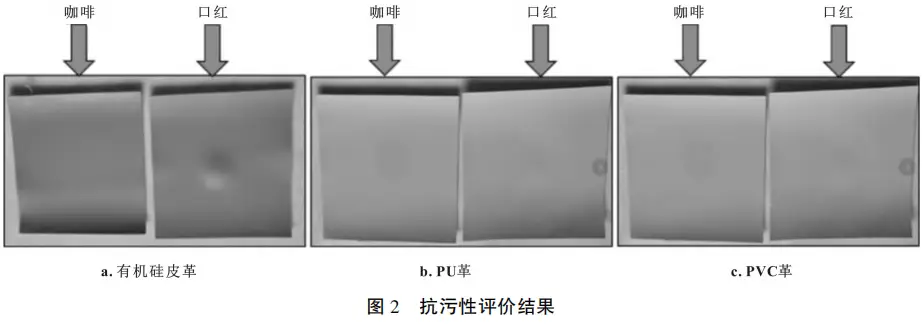
| Durability and maintenance | Strong and durable: The fiber structure is tightly packed, very sturdy, and has a long service life. However, it is sensitive to water; when exposed to water, it leaves dark water stains that fade over time but affect the initial appearance. Regular care is needed with cow’s feet and leather care oils to maintain oil and toughness. | More worry-free use: The water-based coating on the surface (especially high-quality) provides excellent waterproof and stain resistance. Everyday rain and coffee splashes are not easily absorbed immediately, making them easy to wipe and clean. Its abrasion resistance is also enhanced by the coating. |
| Processing and plasticity | Excellent: The preferred material for leather carving and leather shaping techniques. Due to its high density and strong plasticity, it is easy to carve, stamp, and dye, allowing for deep interaction with craftsmen. | Generally: The surface coating seals the leather’s pores to some extent, making it less likely to absorb dyes and oils, so it is not suitable for deep leather sculpting or certain dyeing techniques. |
| Cost and price | Higher cost: Due to the long tanning cycle, high labor and material resources, and high quality requirements for raw leather, the cost is relatively high. | Usually higher: Environmentally friendly water-based coatings cost more than traditional solvent-based coatings, and since they represent more advanced processes, the finished product price is often higher than uncoated traditional ones Veg-tan The leather is even higher. |
![Image [3]-Veg-tan Leather Comparison: Stunning Eco Choices, Best Guide – Nleather-Nleather](https://www.nleather.com/wp-content/uploads/2026/07/20260726-174600-g2nrS-nleather-silicone-leather.png "20260726-174600-g2nrS-nleather-silicone-leather – Nleather")
Tradition Veg-tan Hide
· Advantages:
· The unique joy of cattle raising: the irreplaceable sense of exclusivity brought by the honey transformation process.
· Pure natural texture: preserves the leather’s original appearance and breathability to the greatest extent.
· Outstanding processing performance: An ideal canvas for leather art enthusiasts and artists.
· Limitations:
· Early delicate: sensitive to water, easily scratched, requiring careful care from the user.
· High maintenance requirements: regular oil and maintenance are required, otherwise cracking may occur.
· Limited color options: Mainly natural colors, which can be dyed by yourself but less convenient than finished colored leather.
Water-based Veg-tan Hide
· Advantages:
· Ultimate environmental protection and health: From inside and out (tanning to finishing), we implement environmental protection concepts, harmless to humans and the environment.
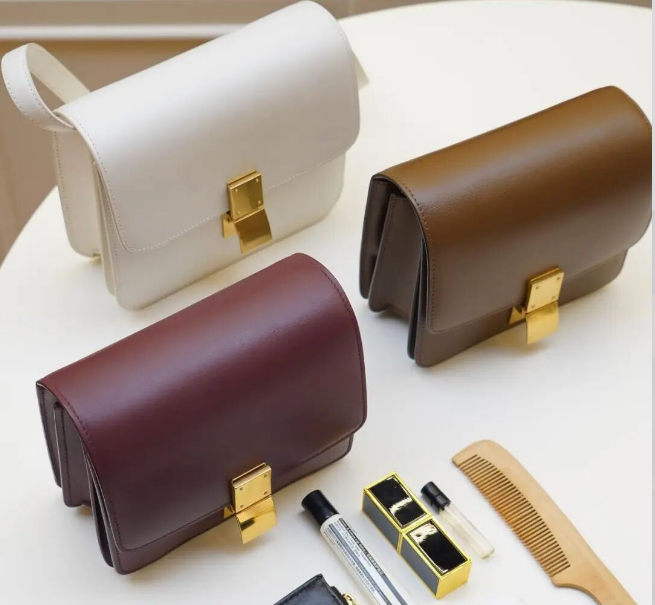
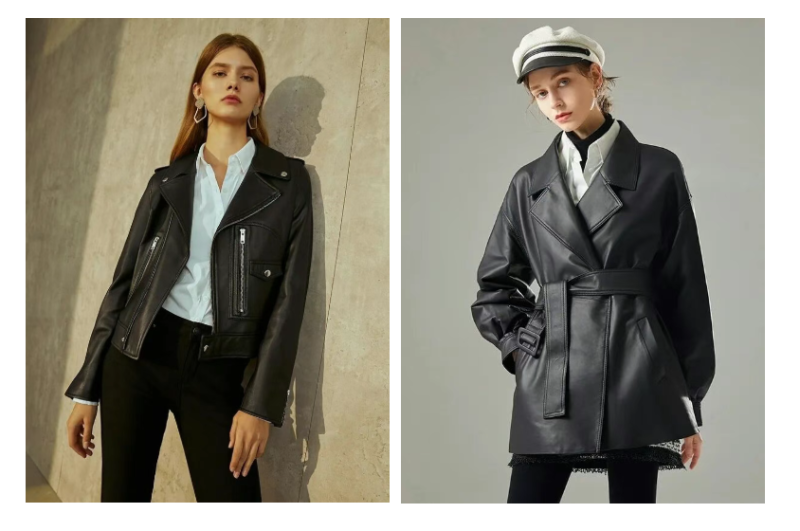
· Outstanding everyday practicality: waterproof and stain-resistant, wear-resistant and durable, making it ideal for making frequently used items (such as shoes, bags, car interiors).
· Rich and consistent colors: Meets modern industrial design requirements for color consistency and richness.
· Limitations:
· Losing some of the “cattle-raising” charm: coatings slow down or even alter the natural honey transformation process, making changes less than traditional ones Veg-tan The leather is clearly visible.
· The tactile feel is slightly compromised: the presence of the coating causes it to lose the pure tactile feel that resonates with the original leather skin.
· Repair is difficult: Once the surface coating is severely damaged, repairing it is much harder than traditional repairs Veg-tan Scratches on leather are more difficult.

No comments yet