

Many car manufacturers emphasize the use of Nappa leather seats when promoting their interior designs, especially in some mid-to-high-end models , such as models from brands like Li Auto, NIO, and IM Motors. Some even say Nappa leather is the highest-grade interior material, from Cullinan, Bentayga, Ferrari, Hermès, Chanel…… These luxury brands all use Nappa genuine leather.
So, what exactly is Nappa genuine leather? Does using Nappa genuine leather mean it’s very high-end?
![Image [1]-What is Nappa genuine leather? Does using Nappa genuine leather mean it’s very high-end? – Nleather-Nleather](https://www.nleather.com/wp-content/uploads/2026/07/20260726-062353-nVgPK-nleather-silicone-leather.png "20260726-062353-nVgPK-nleather-silicone-leather – Nleather")
Leather classification for car seats
Based on differences in raw material sources, seat leather materials are broadly divided into categories There are two main categories: artificial leather and natural leather.
So-called artificial leather is not actually leather, but synthetic materials derived from petroleum and other raw materials. The faux leather seats commonly used in cars are essentially artificial leather.
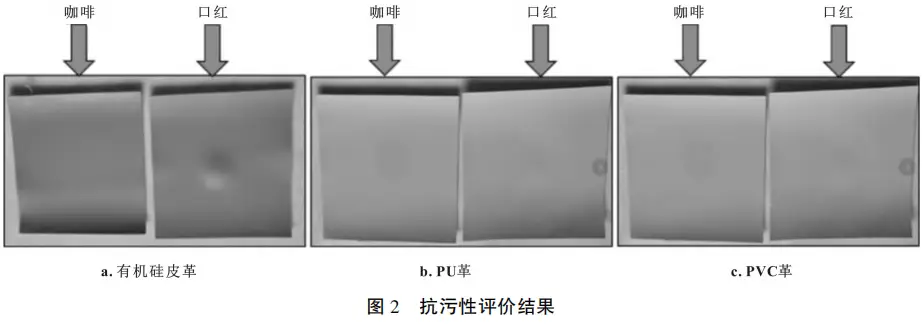
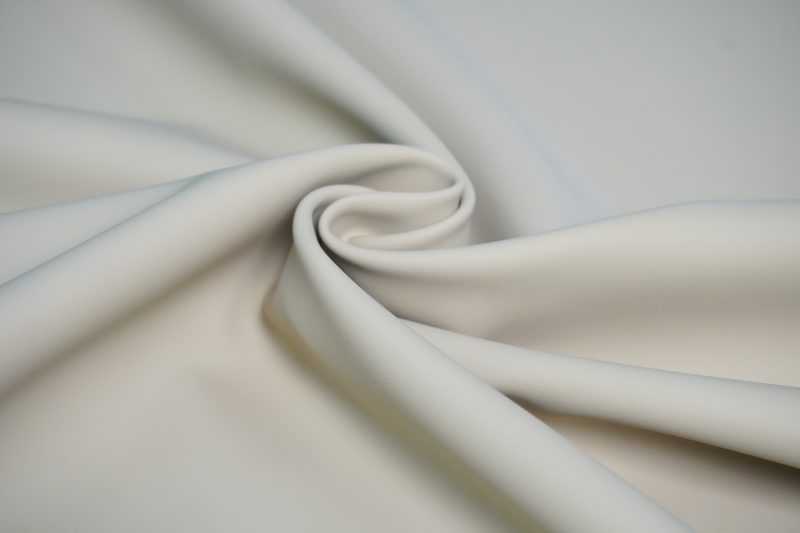
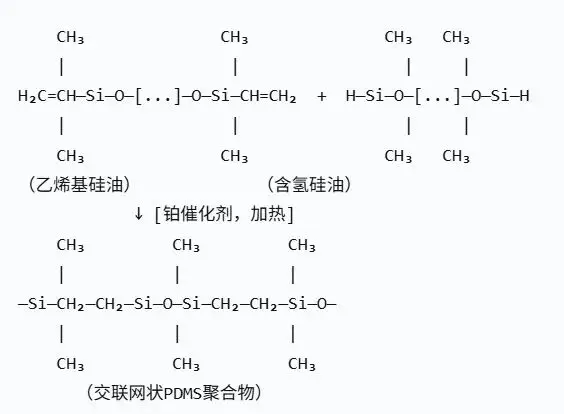
Common artificial leather types include PVC (polyvinyl chloride), PU (polyurethane), and silicone leather. Among them, PVC is the cheapest, most widely used, and most common type of leather material; PU material is relatively better quality, close to genuine leather, and priced higher; Silicone leather is currently the most environmentally friendly, safest, and most promising artificial leather. Its texture is already very close to genuine leather, with performance superior to genuine leather and PU/PVC. It has a soft texture, high friction coefficient, rich color, and strong wear resistance, often used in high-end vehicles.
Grading of genuine leather
What do we often refer to as top-layer and second-layer leather?
The top layer of skin is cow leather The outermost layer features a granular surface and natural scars. The dermis, fiber layer, and villus layer of top-layer leather are closely connected, providing good strength, elasticity, flexibility, breathability, and water absorption.
The second layer is the “lower layer” after the first layer is removed. It has no surface dermis layer, only a fibrous and villous layer, and its structure is relatively loose. Second-layer leather needs to be finished, polished, and other processes before it can be used as finished leather, and its flexibility and durability are inferior to top-layer leather.
Genuine leather seats for cars require higher wear resistance, so top-layer leather is preferred. However, some models use double-layer leather or even synthetic leather on the corners of the seat sides to pass the cover.
The most important factor determining the quality of a piece of leather is its inherent defects and the number of flaws. During growth, various factors cause scars, such as growth marks, bites from mosquitoes and horseflies, abrasions, punctures, vascular marks, tears, and so on.
During leather production, techniques such as polishing and finishing are needed to address these defects. The fewer natural scars, the lighter the subsequent treatment required, the thinner or even no coating the coating, and the higher the corresponding leather quality.
The highest quality leather has very few blemishes, does not require polishing, and preserves the grain completely, known as full grain dough. Whole grain noodle skin has clear, fine, and tight pores, with a full and delicate surface, featuring natural texture, elasticity, and good breathability.
Leather with many defects needs to be polished to remove the defects, followed by manual embossing, which is called polished grain or corrected grain.
![Image [2]-What is Nappa genuine leather? Does using Nappa genuine leather mean it’s very high-end? – Nleather-Nleather](https://www.nleather.com/wp-content/uploads/2026/07/20260726-062647-2bm9S-nleather-silicone-leather.png "20260726-062647-2bm9S-nleather-silicone-leather – Nleather")
Genuine leather processing techniques
Currently, most genuine leather materials used in cars are made from genuine leather materials cow leather , from cattle on the ranch. Most of these cattle are beef cattle for consumption, cow leather In fact, it is a byproduct.
Student cow leather It requires three major stages and dozens of complex processing steps to become the leather we see. These three main stages include preparation, tanning, and finishing.
Preparation stage
The preparation stage is the initial processing, aiming to remove all useless substances from animal hides, such as hair, fat, soluble proteins, etc., and to process the collagen fibers (the main body of the leather) to facilitate subsequent processing and improve the quality of the leather.
The main processes include cleaning, water immersion, soaking ash, depilation, degreasing, softening, acid soaking, and layering and cutting.
Tanning
The tanning stage is a key stage for leather denaturation, where chemical methods alter the structure of animal hide’s collagen fibers, causing them to transform from leather finished leather. At the same time, it also determines the quality and performance of the leather you receive.
Tanning includes: Veg-tan , chrome tanning, and other types. Veg-tan Tanning is done using a natural plant-based tanning agent called “tannic acid solution,” which is natural, environmentally friendly, contains no harmful substances, has a relatively flexible leather, and relatively uniform colors. Chrome tanning uses heavy metal chromium salts as tanning agents, resulting in relatively soft leather and rich colors, but less environmentally friendly.
The main processes include primary tanning, grading, and secondary tanning.
Finishing stage
After tanning, it still needs to be finished before it can be finished finished leather. Finishing can give the leather a variety of colors, lusters, and styles, and also give it a certain degree of waterproof and easy maintenance.
The main processes include layering, leveling, neutralization, dyeing, fatting, drying, softening, flat spreading, leather grinding, finishing, embossing, and more.
![Image [3]-What is Nappa genuine leather? Does using Nappa genuine leather mean it’s very high-end? – Nleather-Nleather](https://www.nleather.com/wp-content/uploads/2026/07/20260726-062727-J8a46-nleather-silicone-leather.png "20260726-062727-J8a46-nleather-silicone-leather – Nleather")
What is Nappa genuine leather?
Definition and origin of Nappa dermis
Nappa It is a general term for a large category of leather, essentially a type of leather processing technique. The name comes from Sawyer Leather Company in Napa County, California, USA. Over 100 years ago, the company invented a process to make leather using natural tanning agents, resulting in a delicate and soft product named Napa leather.
The original Nappa leather specifically referred to the soft sheepskin produced in the Napa region. It should be emphasized that at that time, Napa was made of sheepskin, not sheepskin cow leather 。 More than a hundred years later, Nappa evolved from referring exclusively to sheepskin to top-tier cow leather The concept has become increasingly broad.
More than 100 years have passed, and Sawyer has long since faded into history, but the leather craftsmanship it invented has been passed down, and its name has changed from Napa to Nappa. Modern Nappa leather refers to a type of leather with light finishing, no embossing, preserving the natural grain of the leather, a delicate and soft feel, tanned with vegetable tanning agents and alum salt, without any modifications.
Nappa leather pursues a simple and environmentally friendly processing process, so it demands very high quality from the original leather materials, with no obvious defects.
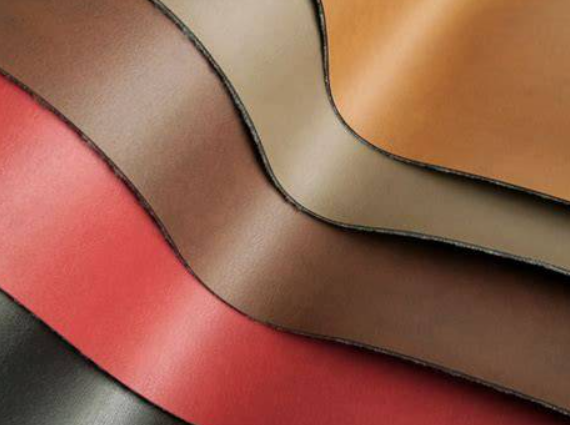
To maximize the natural texture of the leather, Nappa leather is lightly finished, without embossing, resulting in a delicate surface sheen and a natural leather texture, elasticity, and good breathability.
So how do we define Nappa genuine leather? Strictly speaking, there is no broad standard for defining it.
Thanks to advances in craftsmanship, many regions can produce leather that rivals the quality of Napa’s production. Since Napa no longer produces leather, any “soft, high-quality leather” is now called Nappa leather This is also the main reason why Nappa genuine leather has evolved from being seen only in “top-tier luxury cars” to now being seen in “Volkswagen brand high-end cars.”
The manufacturing process of Nappa genuine leather
There are mainly two manufacturing processes for Nappa genuine leather: One method is tanning with vegetable tanning agents This method produces Nappa genuine leather with high softness and a delicate feel; The other method uses chrome salt tanning Nappa leather produced by this method is slightly less soft but offers better wear resistance and waterproof performance.
The process of making Nappa genuine leather
The manufacturing process of Nappa genuine leather generally includes the following steps: fur→ blue leather→ fur → genuine leather. Among them, blue leather is a semi-finished product obtained by processing fur through depilation and tanning, while the pellet is finished after coating and embossing processes.
Nappa leather is a high-quality leather product whose manufacturing process involves multiple steps and techniques. The following is the general manufacturing process for Nappa leather:
Material selection: First, high-quality raw materials need to be selected as the basis for producing Nappa leather. Common raw materials include: cow leather Sheepskin or pigskin. These leathers are usually rigorously screened to ensure their quality and reliability.
Tanning: The selected leather undergoes tanning processes to enhance its texture and durability. The most commonly used tanning method is chrome tanning, in which chromium salts and other chemicals are used to treat the leather to make it soft, wear-resistant, and waterproof.
Coloring: After tanning, the leather is usually colored to give it the desired color and appearance. This step can be achieved through methods such as dyeing or spraying. The coloring process requires advanced techniques to ensure the color is even, full, and long-lasting.
Finishing and polishing: After coloring, the leather may require finishing and polishing to enhance its shine and smoothness. This step may include sanding, scraping off uneven surfaces, and repairing defects to achieve high-quality surface finishes.
Dyeing and coating: Depending on the need, Nappa dermis may undergo dyeing and coating treatments. These processes can enhance the leather’s stain resistance, wear resistance, and protection. Common coating materials include polyurethane or resin.
Final summary: Finally, the manufacturer performs a final finishing and quality inspection on the Nappa leather to ensure its appearance, texture, and functionality are flawless.
This is just the general manufacturing process for Nappa leather; the specific steps and techniques may vary depending on the manufacturer and product type.
Advantages and disadvantages of Nappa genuine leather
As a high-quality leather material, Nappa genuine leather has the following advantages and disadvantages:
Advantages:
1. Soft and comfortable: Nappa genuine leather has an exceptionally soft and delicate texture, providing a comfortable feeling.
2. High-End Luxury: Nappa genuine leather has a smooth and delicate appearance, with very clear pores and textures, giving it a sense of luxury and sophistication, making the product look more refined and upscale.
3. Durability and wear resistance: Thanks to meticulous tanning and treatment, it has strong strength and good elasticity, as well as excellent durability and wear resistance, able to withstand long-term use and wear.
4. Breathing and breathing: Nappa genuine leather has excellent breathability, allowing the product to breathe during use, helping to maintain comfort and dryness.
5. Good water absorption: Nappa leather has good water absorption and doesn’t look particularly dry.
Disadvantages:
1. Expensive: Nappa leather is a high-end leather material with relatively high manufacturing costs, so its products are usually relatively expensive.
2. Prone to scratches: Due to its high softness, Nappa leather is relatively prone to scratches, especially during daily use, when avoiding contact with sharp objects.
3. Poor support capacity: Due to the material of Nappa itself, the seat support parts are too soft and lack support, causing back pain during long drives.
4. Not suitable for extreme environments: Nappa leather may require extra care and protection in extremely humid or extremely dry environments to avoid damage or deformation.
Although Nappa leather has some drawbacks, its elegance, comfort, and high-quality qualities make it widely favored in many high-end products. When choosing Nappa genuine leather products, it is necessary to weigh their characteristics and make the appropriate choice based on specific needs and usage environments.
To ensure Nappa leather is truly luxurious, it should have the following features:
1. Minimal embellishment: Nappa leather with minimal modification is basically high-quality leather. Out of confidence in quality, it is minimally adorned, showcasing the most natural texture of the leather;
2. Natural Texture: High-end Nappa leather features natural textures, while ordinary leather is designed by designers;
3. Soft feel: High-quality Nappa leather maintains a naturally soft feel due to minimal treatment and embellishment, with an excellent texture.
Application Areas of Nappa Genuine Leather
Nappa leather is a high-quality leather manufacturing process, and thus is widely used in many application fields. Here are some common application areas for Nappa genuine leather:
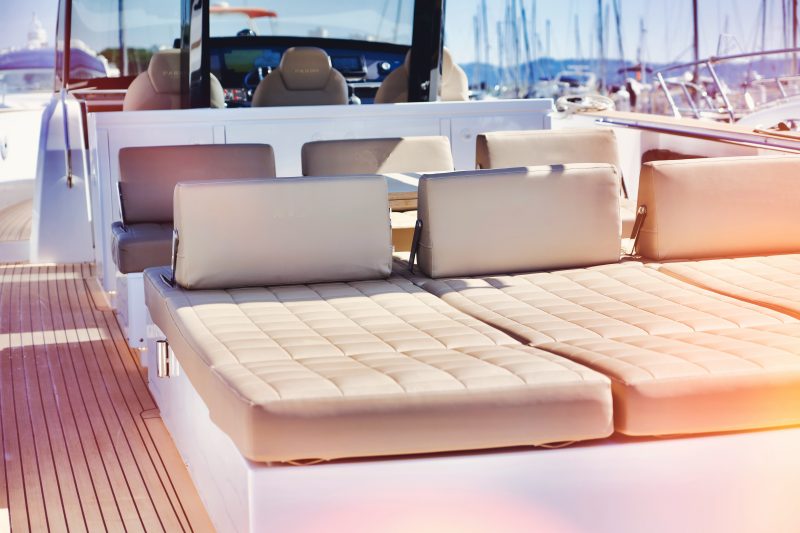
Automotive interior: Nappa leather is widely used in the automotive industry to manufacture seats, steering wheels, dashboard coverings, door interiors, and more. Its soft and comfortable touch and luxurious exterior make the car’s interior more refined and upscale.
High-end furniture: Nappa leather is often used to make high-end furniture such as sofas, chairs, beds, and more. Its premium texture and luxurious appearance add elegance and comfort to furniture.
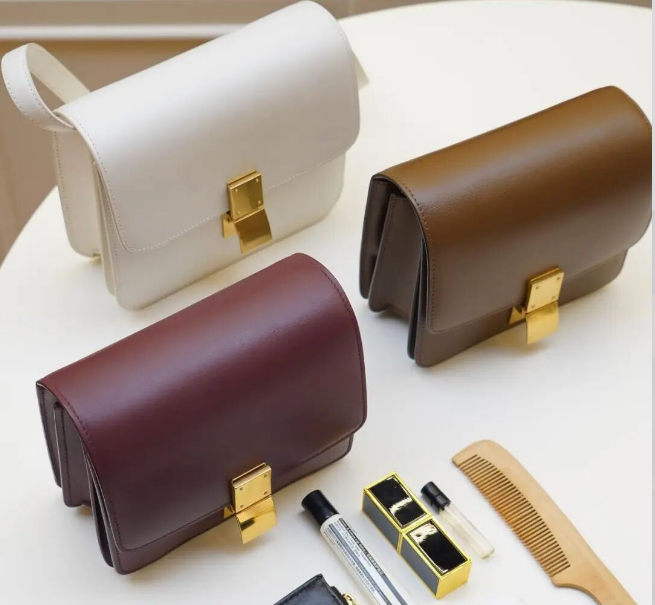
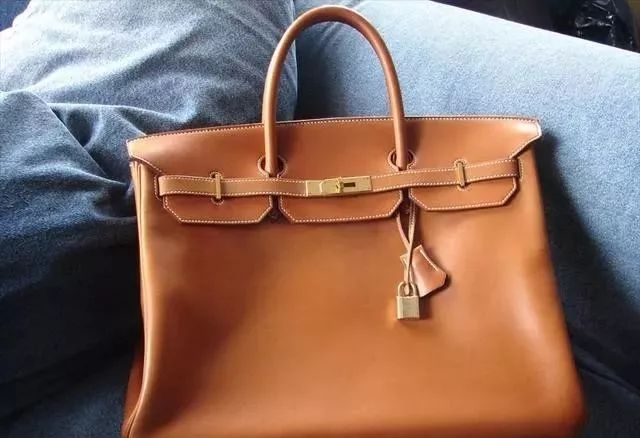
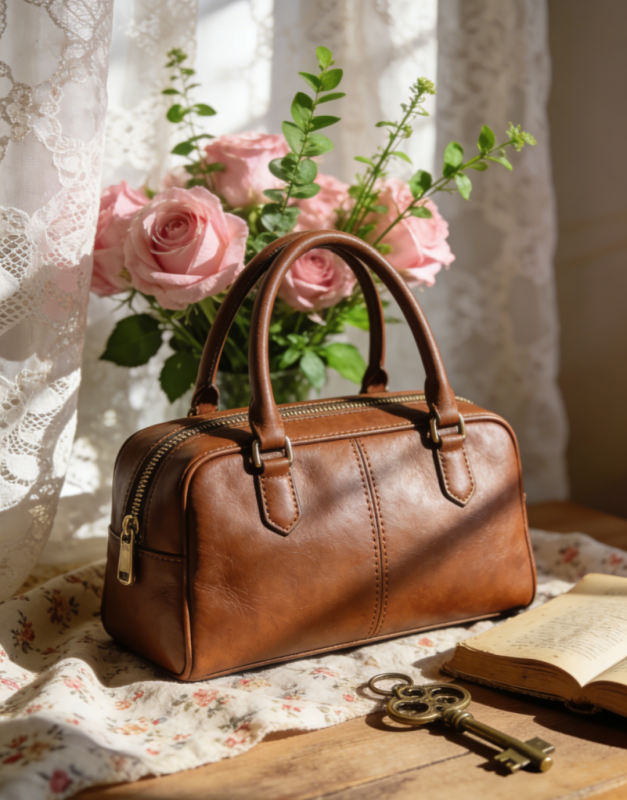
Fashion accessories: Nappa leather is widely used in fashion accessories such as handbags, wallets, belts, gloves, and more. Its softness and smoothness make these accessories more luxurious and durable.
High-end footwear: Many luxury brands choose to use Nappa leather when making high-end footwear. Their high-quality materials and comfortable touch make the shoes both stylish and comfortable.
Luxury cabin interior: In luxury business or first class, Nappa leather is often used to manufacture seats, backrests, armrests, and more. Its sense of luxury and comfort provide a high-end riding experience.
Watch and jewelry boxes: Nappa leather is used to make watch straps and jewelry box linings, adding a noble touch and appearance to these small luxury items.
Overall, Nappa leather is widely used in products that require high quality, comfort, and luxury. Its refined texture and durability make it the preferred material for many high-end products.

No comments yet