

With its designable structure, adjustable performance, and full-chain environmental potential, microfiber leather is gradually shifting from a leather substitute to the mainstream choice for automotive seat fabrics.
![Image [1]-Performance requirements for microfiber leather fabrics used in automotive seats – Nleather-Nleather](https://www.nleather.com/wp-content/uploads/2026/07/20260726-060312-CkS8p-nleather-silicone-leather.png "20260726-060312-CkS8p-nleather-silicone-leather – Nleather")
Safety performance requirements
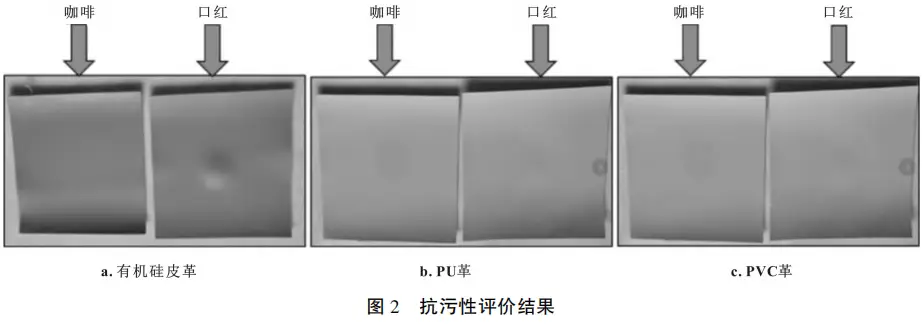
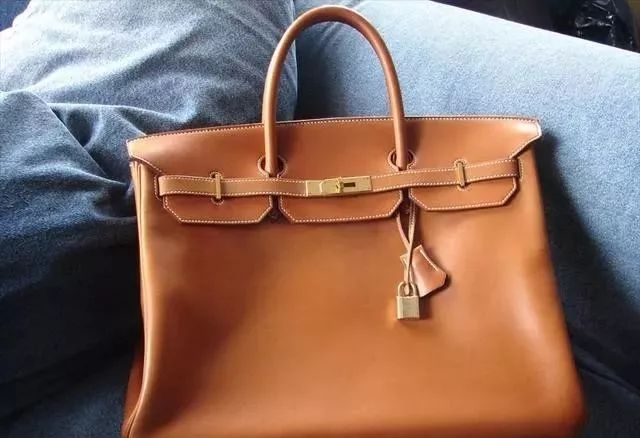
Flame retardancy is a mandatory regulatory requirement that automotive interior materials must meet. Currently, the combustion characteristics of microfiber leather for automotive seats are mainly characterized by the GB8410 — 2006 horizontal combustion standard. In horizontal combustion tests, the burning speed of the material must not exceed 100 mm/min, and melting dripping igniting filter paper is not allowed. Some OEMs have raised the horizontal combustion speed requirement to ≤70 mm/min. Microfiber leather requires the resin formula to incorporate halogen-free flame retardants and achieve synergistic flame retardation between fiber and PU phases. In addition, interior microfiber leather materials must meet prohibited and restricted substance standards, such as azo dyes, phthalate plasticizers, and heavy metals (lead, cadmium, hexavalent chromium, etc.) that are all restricted and must comply with REACH regulations.
![Image [2]-Performance requirements for microfiber leather fabrics used in automotive seats – Nleather-Nleather](https://www.nleather.com/wp-content/uploads/2026/07/20260726-060336-FfFRc-nleather-silicone-leather.png "20260726-060336-FfFRc-nleather-silicone-leather – Nleather")
Environmental protection and health requirements
The interior space of a car is sealed, and the odors and VOCs released by interior materials directly affect cabin air quality and endanger occupant health. GB/T 27630—2011 sets limit requirements for the evaluation of air quality for entire vehicles. Major OEMs have already established corresponding classification and control standards based on the vehicle, components, and materials based on this basis. Currently, the main VOC testing methods include the bag method and the cubic chamber method, among which the bag method is the most commonly used.
Odor evaluation is subjective, relying on the inspector’s nose for sniffing, mainly including odors at room temperature and at high temperatures. The high-temperature state usually involves placing interior materials in a sealed container at 60°C for 2 hours, after which evaluators evaluate them, generally requiring an odor grade ≤ 3.0.
![Image [3]-Performance requirements for microfiber leather fabrics used in automotive seats – Nleather-Nleather](https://www.nleather.com/wp-content/uploads/2026/07/20260726-060429-e3vyN-nleather-silicone-leather.png "20260726-060429-e3vyN-nleather-silicone-leather – Nleather")
Durability requirements
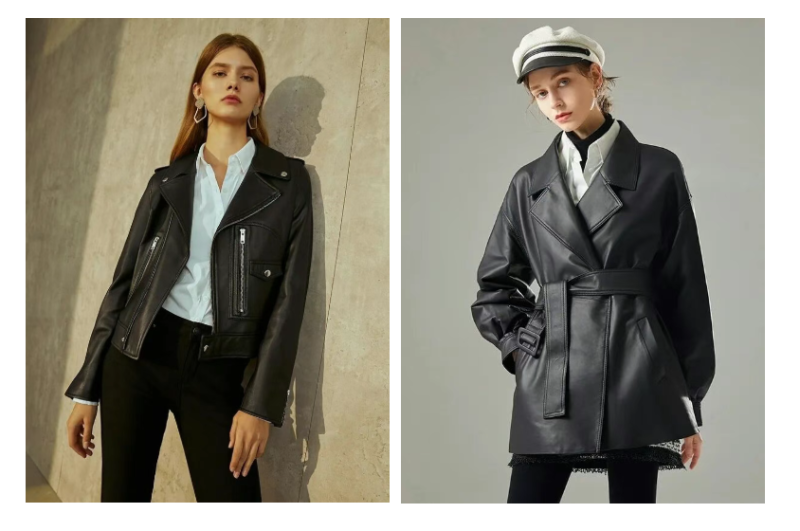
The design lifespan of car seats is typically 10~15 years, during which they must endure multiple aging factors such as sunlight, temperature changes, friction, and sweat erosion, which places strict demands on the durability of interior materials. Based on the needs of automotive seat application scenarios, the durability of microfiber leather mainly depends on its wear resistance, thermal and moisture aging performance (temperature 70°C, relative humidity 95%, 240 hours), color fastness, and weather resistance (low-temperature fold resistance, alternating hot and cold cycles, room temperature fold resistance).
(1) Wear resistance : Tested by Taber for abrasion resistance (CS-10 wheels, 500 g load), high-quality microfiber leather requires ≥ 10,000 R without exposed bottom; The Martindale method requires ≥ 50,000 tests. The nano-diameter of microfibers gives them extremely high flexural fatigue strength, which is the structural basis for microfiber leather’s superior abrasion resistance compared to natural leather.
(2) Weather resistance : Simulates a car exposure environment (UV intensity 80 W/m², 60 °C). After continuous exposure for 2,000 hours, the material shows no obvious fading (color fastness ≥ 3), cracking, or pulverization, with a fracture strength retention rate of ≥75%. This places high demands on the UV resistance of PU resins. Polycarbonate-type PU has lower ester bond density in its molecular structure, making it better to resist hydrolysis and light aging than ordinary polyester-type PU.
(3) Color fastness : Lightfastness requirement ≥4 (SAEJ2412, 400 h xenon arc lamp irradiation); It has a color fastness of ≥4 for dry friction and ≥3 for wet rubbing. The dyeing difficulty of microfiber leather lies in the large specific surface area of microfibers and their fast absorption of dyes, which easily leads to issues such as deep surface dyeing and shallow internal dyeing, which affects friction color fastness.
![Image [4]-Performance requirements for microfiber leather fabrics used in automotive seats – Nleather-Nleather](https://www.nleather.com/wp-content/uploads/2026/07/20260726-060502-ncqT3-nleather-silicone-leather.png "20260726-060502-ncqT3-nleather-silicone-leather – Nleather")
Comfort and aesthetics
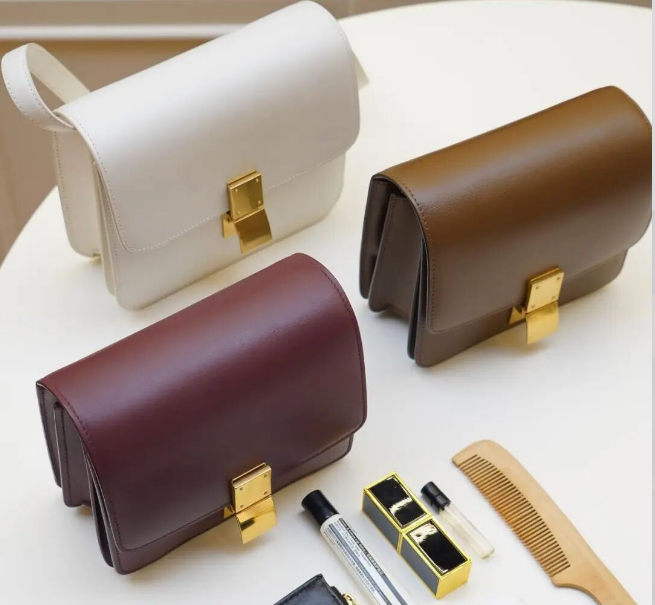
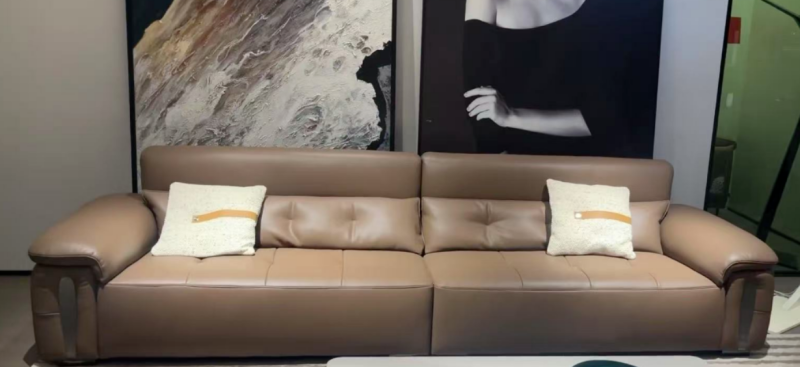
Comfort is the “soft indicator” of seat fabrics, but it has the most direct impact on user experience. Breathability and moisture permeability determine the comfort of heat and humidity while riding. Microfiber leather used in the middle of the seat usually achieves excellent breathability and moisture permeability through perforation processes. In terms of feel, car seat fabrics need to be soft yet supportive, with moderate surface temperatures (warm in winter and cool in summer). The tactile feel of veneer microfiber leather is mainly adjusted by selecting soft PU resin and suitable base fabric structure, weight, etc., ensuring moderate damping while imparting a warm and delicate touch. Aesthetics include color richness, gloss, and texture. Microfiber leather has advantages over natural leather in color design, achieving color accuracy through precise blending of color paste, with minimal color differences between batches, allowing for highly saturated colors that natural leather cannot achieve. Gloss is also an important indicator affecting the quality of microfiber leather. Depending on different visual quality requirements, gloss is generally controlled between 8 ~ 30 GU.

No comments yet