

Veg-tan After leather changes in color, mold and localized discoloration occur during storage, and the root cause lies in: “Nutrient residues” feed mold , and “Insufficient sealing” leads to chemical/physical discoloration 。 This is even trickier than water-exposed spots, as it often means systemic loopholes in the dyeing process.
Below, combining the principles of leather chemical production and practical experience, we will provide a root cause breakdown and solution analysis for you.
![Image [1]-Fixing the Root Cause of Veg-Tan Leather Discoloration – Nleather-Nleather](https://www.nleather.com/wp-content/uploads/2026/07/20260712-090901-4CcQV-nleather-silicone-leather.png "20260712-090901-4CcQV-nleather-silicone-leather – Nleather")
Root Cause Analysis
Mold storage: Residual “nutrients” become the mold culture medium
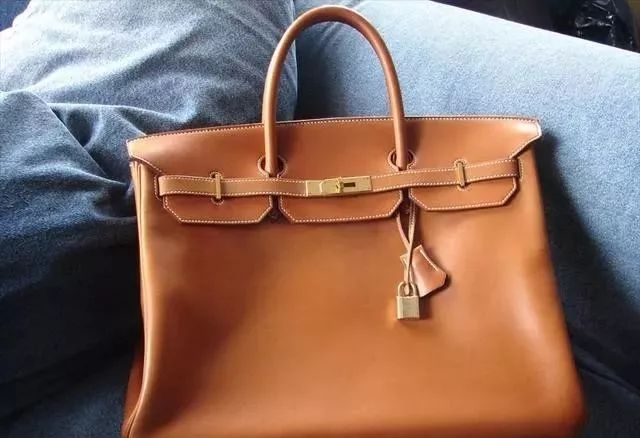
Veg-tan Leather itself has certain antibacterial properties (plant tannins have antibacterial effects), but The color change process precisely destroys this natural defense , creating ideal conditions for mold growth:
The “Hydrophilic Trap” of Water-Based Dyes :
If the color change uses water-based dyes or under-tanned pigment pastes, they will remain in the leather fibers. In high-humidity environments (humidity >65%), these hydrophilic components absorb moisture, creating a humid microenvironment.
Unbonded fat-adding agents (oils) :
Veg-tan Leather oil loses quickly and usually needs to be oiled before color change. If excessive use is used Ox trotter fat and other liquid oils, which are not fully absorbed by the leather Floating oil In humid air, they are highly prone to oxidation and rancidity, becoming a “highly nutritious food” for mold.
Fixative’s sealing effect :
If a thick resin film-forming agent (sealing layer) is used after color change, it is waterproof but also Lock in moisture and air inside . Once moisture inside can’t escape, mold spots will “sulter” between the leather and the coating.
Local discoloration: chemical contamination and tannin migration
After color change, the appearance of uneven color spots, gray-black spots, or localized darkening is mainly caused by three main culprits:
“Rust Pollution” :
This is it Veg-tan The most typical discoloration issue of leather. Veg-tan Leather contains a large amount of plant tannins, Tannins react color-developing when exposed to iron ions (Fe²⁺/Fe³⁺). , instantly generated Blue-black or gray-black tanninate 。 These iron ions may come from: tap iron pipes from dyeing, inferior stainless steel basins, iron nails on molds, iron dust splashed during polishing, or even fine iron filings drifting into the air.
![Image [2]-Fixing the Root Cause of Veg-Tan Leather Discoloration – Nleather-Nleather](https://www.nleather.com/wp-content/uploads/2026/07/20260712-090930-nBMJy-nleather-silicone-leather.png "20260712-090930-nBMJy-nleather-silicone-leather – Nleather")
Dennin “Reverse Examination” :
During dyeing or high-humidity storage, water molecules penetrate the leather, dissolving deep plant tannins. Tannins carry unfixed dye molecules and migrate to the surface, forming uneven dark patches after drying.
Oils oxidize and discolor :
Unsaturated oils like beef trotter used before color change can occur if exposed to air for a long time (especially in humid environments). Oxidative yellowing , causing localized yellowing and darkening of the leather.
Solutions and Process Improvements
To solve storage issues, a fundamental change in dyeing approaches is needed: From “surface coloring” to “intra-fiber chemical bonding” , and do it well Mold-resistant sealing 。
For mold issues: sterilize and cut off nutrients at the source
Thorough removal of floating oil and unbound dyes (key steps)
Operation : Use after color-changing dyeing is complete and completely dry Industrial alcohol Or Diluted saddle soap Quickly wipe the leather surface. If using saddle soap, wipe it clean with clean water afterwards.
Function : Removes excess oil and unbound dyes from the leather, cutting off the food source for mold
Sealants or color-fixing agents containing anti-mold agents must be used
Operation : Add during the final spray of fixing agent 0.3%-0.5% Industrial leather anti-mold agents (pay attention to environmental protection requirements), or directly using those containing anti-mold ingredients Cationic fat-adding agents Or Acrylic resin 。
Principle : If you don’t have professional anti-mold agents, industrial-grade IPBC Or BIT Anti-mold agents are also an option. This forms a long-lasting antibacterial barrier within the coating
Physical control in the warehouse environment:
Drying + isolation : The humidity in the storage environment should be controlled at 40%-50% 。 For leather materials or leather goods that have not been used for a long time, use them cow leather Paper or acid-free paper Package (do not seal with plastic bags!) ), paper can absorb moisture and isolate air.
Ventilation : When stacking leather, raise it off the ground, avoid sticking against walls, and ensure air circulation.
![Image [3]-Fixing the Root Cause of Veg-Tan Leather Discoloration – Nleather-Nleather](https://www.nleather.com/wp-content/uploads/2026/07/20260712-090958-Q2g2F-nleather-silicone-leather.png "20260712-090958-Q2g2F-nleather-silicone-leather – Nleather")
For localized discoloration issues: prevention is more important than remedy
1. Strictly prevent iron ion contamination (the most urgent prevention):
Water source inspection : Recommended water for dyeing and soaking Purified water or cooled boiled water Avoid using rusty tap water。
Tool troubleshooting : Strictly avoid using iron containers or iron molds (molds must be sealed with varnish). Keep the sanding surface clean to prevent iron filings from remaining。
Chemical detoxification : If you suspect that iron ions are too high in the water, you can add them to the water 1-2% oxalic acid solution Soak (oxalic acid can chelate iron ions), then rinse thoroughly with clean water
2. “Back Seal” Before Dyeing:
Operation : Used before dyeing Shellac (Sanding Sealer) Spray or wipe a thin layer of diluted solution (1:5 alcohol), then dye after it is completely dry.
Function : Seals fiber channels to prevent deep tannins from migrating upward, eliminating discoloration caused by “reverse copying.”
3. Color Fixation and Antioxidant Properties:
Operation : Used after dyeing to remove floating color Oil-based sealant Or High Photofilm-forming agent Spray 2-3 layers to ensure complete sealing
Remedies for existing problems
Mild mold :
Never blow it ! First, use a soft brush to scrub off dust outdoors, then dip a cotton cloth 75% alcohol Light Gently wipe off mold spots (alcohol evaporates quickly and does not retain moisture), then Expose to sunlight for 2-3 hours (UV sterilization), and finally oil for maintenance.
Severe mold/corrosion :
The mold has penetrated deep into the skin, causing the surface to turn black and powdery, There is almost no repair price Value 。 The strength of this type of leather has significantly decreased, so it is recommended to discard or trim off the moldy parts directly.
Blue-black or gray-black spots caused by rust :
Veg-tan Mold after changing the color of the leather is essentially the essence “Nutrients + Humidity” Out of control; Local discoloration is essentially the case “Tannins + metals ” Chemical reactions. Ordinary DIY dyeing often focuses only on color and neglects it Mildew prevention and migration resistance These are industrial-grade indicators.
Core recommendations :
Color changes must be done on the back cover : Shellac is a miracle tool for preventing discoloration.
Color fixation requires “adding chemicals” : For leather goods stored for a long time, anti-mold agents must be added to the fixing agent (even if diluted with Dettol disinfectant in proportion, it can still be used as an emergency solution, but industrial anti-mold agents are more effective).
Storage must be “breathable” : Replace plastic bags with paper bags.




No comments yet