

Why do leather inspections?
Leather goods (shoes, bags, sofas) are among the products we encounter most frequently in our daily lives. But did you know? Substandard leather may contain Formaldehyde, hexavalent chromium, heavy metals and other harmful substances, and long-term exposure can pose health risks.
At the same time, consumers are demanding higher durability from their products— Shoes should be wear-resistant, bags should be tear-resistant, and sofas should be foldable 。 This requires professional testing to ensure product quality!
Part One: Chemical Environmental Protection Testing (Safety as the Bottom Line)
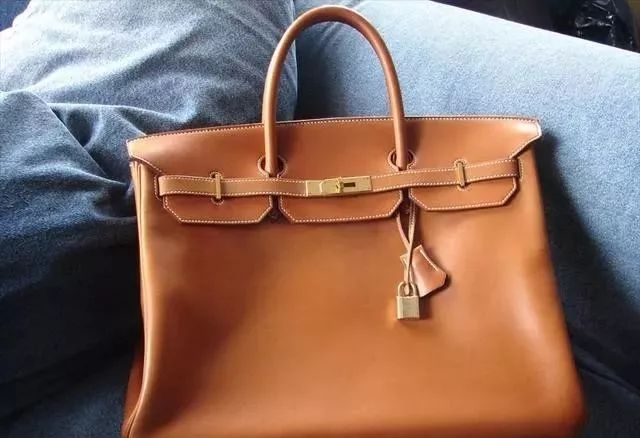
The main purpose of testing is to ensure leather products Non-toxic and harmless , complies with domestic and international environmental protection regulations.
![Image [1]-Leather Inspection Indicators: Essential Guide to Safe & Durable Goods – Nleather-Nleather](https://www.nleather.com/wp-content/uploads/2026/06/image-300.png "image – Nleather")
Hazardous substances that must be tested
| Testing items | Limited quantity requirements | Main hazards | Applicable fields |
|---|---|---|---|
| Formaldehyde content | ≤75mg/kg | Carcinogenic and allergenic | Footwear, bags, furniture |
| Hexavalent chromium | ≤3mg/kg | Strongly sensitizing, carcinogenic | All leather products |
| Azo dyes are prohibited | and could not be retrieved | Carcinogenic aromatic amines | Colored leather products |
| Heavy metals (lead, cadmium) | Lead ≤ 90mg/kg Cadmium≤ 50mg/kg | Neurotoxicity | Children’s products and furniture |
| Phthalates | ≤0.1% | Reproductive toxicity | Coated leather, artificial leather |
| Pentachlorophenol (PCP) | Strictly restricted | Preservative toxicity | Fur products |
Physical and chemical indicators
In addition to harmful substances, testing is also required:
- pH value : Between 3.5 and 7.0, being too acidic or too alkaline can irritate the skin
- Volatile Organic Compounds (VOCs) :≤100μg/m³, affecting indoor air quality
- Odor grade :≤ Level 2, odorless is the basic requirement
Special reminder: Children’s products are stricter
If so Children’s shoes and children’s backpacks , must also meet the requirements EN 71-3 Standards, with strict limits on 19 migrable elements!
![Image [2]-Leather Inspection Indicators: Essential Guide to Safe & Durable Goods – Nleather-Nleather](https://www.nleather.com/wp-content/uploads/2026/06/image-299.png "image – Nleather")
Part Two: Physical Performance Testing (Durability is King)
Physical testing mainly evaluates leather Strength, wear resistance, and fold resistance and more, directly affecting the product’s service life.
Key points for leather-like inspection
Shoes are consumables, Wear-resistant, fold-resistant, and breathable That’s the key!
Core testing items
| Testing items | Indicator requirements | Why test it? |
|---|---|---|
| Tensile strength | ≥15-20MPa | Prevents cracking of the upper of the shoe |
| Tear strength | ≥50N | Prevent the shoe collar from tearing |
| Wear resistance | ≥10,000 times (Martindale Method) | Prevents wear on the shoe collar and heel |
| Durability and durability | ≥ 20,000 cycles without cracking | Simulating walking and turning |
| Breathability | ≥3000g/m²·24h | Comfortable feet without sweating |
Special requirements for shoe lining
If the inside of the shoe comes into direct contact with the skin, in addition to the above indicators, you also need to test:
- Resistant to sweat corrosion : Color change level≥ Level 3
- Color Firmness : Dry friction ≥ grade 4, wet friction ≥ grade 3
Key points for bag leather inspection
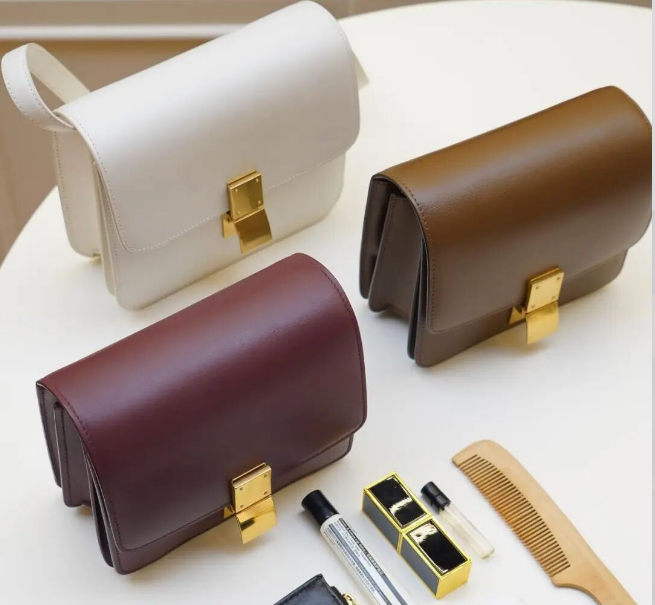
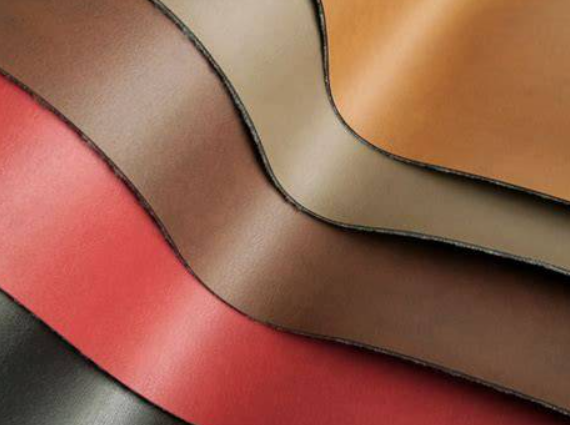
Bags not only need to hold things, but also need to be opened and closed frequently and rubbed together, tear strength, seam strength, and hardware durability That’s the key point!
![Image [3]-Leather Inspection Indicators: Essential Guide to Safe & Durable Goods – Nleather-Nleather](https://www.nleather.com/wp-content/uploads/2026/07/image-31.png "image – Nleather")
Core testing items
| Testing items | Indicator requirements | Why test it? |
|---|---|---|
| Tear strength | The higher, the better | Prevents the inclusion from tearing |
| Suture strength | Handle tensile test | Prevents the handle from breaking |
| Fold resistance | ≥ 20,000 times | Simulates opening and closing actions |
| Wear resistance | Martindale method test | Prevents edge and corner wear |
| Waterproof | Hydrostatic pressure≥ 10kPa | Rain protection |
Hardware accessories should also be tested
The hardware for bags (zippers, buckles, rivets) should be made of:
- Salt spray test : Corrosion resistance tested
- Zipper repeated testing : Ensures smooth and durable finishes
furniture leather Key Inspection Points
leather for sofas and car seats, Large-scale use, long-term exposure, and bearing human weight , with higher demands!
Core testing items
| Testing items | Indicator requirements | Why test it? |
|---|---|---|
| Wear resistance | ≥ 10,000 times | Prevents daily friction damage |
| Durability and durability | ≥ 20,000 times | Simulate sitting and standing |
| Coating adhesion | ≥3N/mm | Prevents surface peeling |
| Tensile strength | ≥15MPa | Prevents stretching and tearing |
| Dimensional stability | It has minimal deformation under temperature and humidity changes | Make sure the furniture fits perfectly |
Functional Testing (Automotive/Public Scenarios)
- Flame retardant performance : Vertical combustion test, no open flame spread, no molten dripping
- Antibacterial properties : Total bacterial count ≤100 CFU/g, preventing mold growth
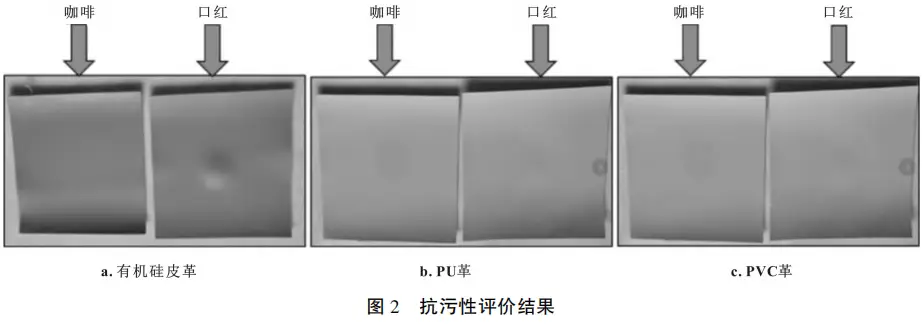
- Stain resistance : Stains are easy to wipe clean
- Atomization value : Inside a car dressing leather Specialized to prevent glass fogging
Part Three: Key Inspection Comparisons for Different Products
| Testing items | Footwear | Bags | furniture leather |
|---|---|---|---|
| Tensile strength | ⭐⭐⭐ | ⭐⭐ | ⭐⭐⭐ |
| Tear strength | ⭐⭐⭐ | ⭐⭐⭐ | ⭐⭐ |
| Wear resistance | ⭐⭐⭐ | ⭐⭐ | ⭐⭐⭐ |
| Fold resistance | ⭐⭐⭐ | ⭐⭐ | ⭐⭐⭐ |
| Breathability | ⭐⭐⭐ | ⭐ | ⭐ |
| Waterproof | ⭐⭐ | ⭐⭐ | ⭐⭐ |
| Flame retardancy | ⭐ | ⭐ | ⭐⭐⭐ |
| Stain resistance | ⭐ | ⭐⭐ | ⭐⭐⭐ |
| Color Firmness | ⭐⭐⭐ | ⭐⭐⭐ | ⭐⭐⭐ |
| Formaldehyde/hexavalent chromium | ⭐⭐⭐ | ⭐⭐⭐ | ⭐⭐⭐ |
Part Four: Detection Methods
Main testing equipment
| Equipment name | Main uses |
|---|---|
| Universal material testing machine | Measures tensile, tear, and suturing strength |
| Martindale wear tester | Measure wear resistance |
| Flexural resistance tester | Measure the degree of bending and firmness |
| Breathable and moisture-permeable tester | Testing comfort |
| ICP-MS | Heavy metal detection |
| GC-MS | Measuring VOCs and azo dyes |
| Xenon lamp aging box | Measure lightfastness and color fastness |
| Constant temperature and humidity chamber | Measure environmental adaptability |
Overview of testing standards
| Standard number | Standard name | Applicable fields |
|---|---|---|
| ISO 3376 | Measuring the tensile strength of leather | General |
| ISO 3377-1 | Leather tear strength measurement | General |
| ISO 17075 | Hexavalent chromium content determination | Chemical safety |
| GB 20400-2006 | Limit harmful substances in leather and fur | Mandatory standards in China |
| QB/T 16799-2008 | Leather for furniture | furniture leather |
| EN 71-3 | Harmful elements migrate from toys | Children’s products |
Part Five: Practical Advice
Select the right testing items
Select testing priorities based on product usage:
- Exports to the EU : Focus on REACH regulatory requirements
- Exported to the United States : Focus on CPSIA (for children’s products)
- Domestic sales : Compliance with the mandatory GB 20400 standard is sufficient
Control of production processes
- Raw material procurement : Suppliers are required to provide inspection reports
- Production process : Avoid introducing harmful substances
- Finished product sampling inspection : Regularly sent to third-party laboratories for testing
Testing Duration and Costs
| Project | Details |
|---|---|
| Routine testing | 2-3 working days |
| Expedited service | 1-2 working days |
| Cost range | Ranging from several hundred to several thousand yuan (depending on the testing item) |
Choose a reliable testing institution
Sure CMA/CNAS certification :
- CMA : China metrology certification, essential for domestic sales
- CNAS : International mutual recognition, essential for export
Leather inspection is not just a formality, but rather a process Be responsible to consumers and to the brand An important step!
| Product types | Key Inspection Points |
|---|---|
| Footwear | Heavy, wear-resistant, fold-resistant, and breathable |
| Bags | Heavy tearing, sewing, hardware |
| furniture leather | Durable wear-resistant, flame-retardant, and stain-resistant |
Key points
- Chemical safety is the bottom line : Formaldehyde, hexavalent chromium, and heavy metals must meet standards
- Physical performance is the guarantee : Strength, wear resistance, and fold resistance determine the product’s lifespan

No comments yet