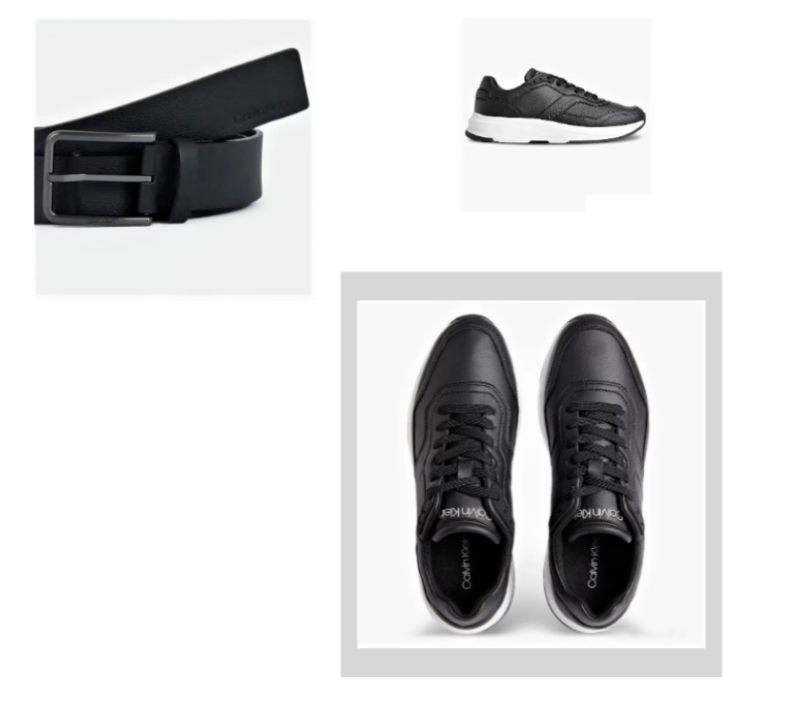


Innovators in sportswear, luxury, and high-end brands have begun experimenting with bio-based leather materials sourced from food waste, recycled crops, and trees, and marketing regional food-based alternative leathers, such as the popular Turkish olives and Italian wine waste.
![Image [1]-Bio-based Leather from Fruit Waste and Agricultural Byproducts: Sustainable Alternatives for Fashion, Luxury, and Sportswear Brands-Nleather](https://www.nleather.com/wp-content/uploads/2026/06/image-285.png "image – Nleather")
Discarded fruit can be used as raw material for bio-based materials, providing solutions to local food waste issues and generating additional income for farmers.
Data from Fruit Leather Rotterdam shows that globally, up to 40% of fruit rejected by supermarkets ends up rotting in the fields. Industrial agricultural waste is now regarded as a local resource suitable for material innovation. From winemakers’ discarded grapes and apples to leftover mango, pineapple leaves, and coconut waste rejected or sold by wet markets and supermarkets, fruit offers durable, refined faux leather materials with viable potential.
![Image [2]-Bio-based Leather from Fruit Waste and Agricultural Byproducts: Sustainable Alternatives for Fashion, Luxury, and Sportswear Brands-Nleather](https://www.nleather.com/wp-content/uploads/2026/06/image-286.png "image – Nleather")
VEGEA was founded in Milan in 2016 with the aim of promoting the integration of chemistry and agriculture by developing new eco-sustainable products, mainly for fashion, furniture, packaging, automotive, and transportation, and to develop plant-based alternatives based on fully synthetic petroleum-derived materials.
Vegea uses grape skins, stems, and grape seed waste from the Italian wine industry to produce solvent-free mimic skins, which have already been adopted by brands such as H&M, Pangaia, Ganni, and Calvin Klein.
The VEGEA special edition crocodile pattern from H&M’s Coexistence Story series is more friendly to the Earth and the animals living on it, giving hope for harmonious coexistence between humans and other animals on this planet.
![Image [3]-Bio-based Leather from Fruit Waste and Agricultural Byproducts: Sustainable Alternatives for Fashion, Luxury, and Sportswear Brands-Nleather](https://www.nleather.com/wp-content/uploads/2026/06/image-287.png "image – Nleather")
The Spanish and Philippine multinational Ananas Anam has launched Piñatex material, made from discarded pineapple leaves. The Piñatex Original texture and the smooth, waterproof Piñatex Performance use Piñafel, which contains 80% leaf fiber and 20% corn-based PLA, along with a water-based PU resin coating.
![Image [4]-Bio-based Leather from Fruit Waste and Agricultural Byproducts: Sustainable Alternatives for Fashion, Luxury, and Sportswear Brands-Nleather](https://www.nleather.com/wp-content/uploads/2026/06/image-288.png "image – Nleather")
Piñatex is an innovative natural textile made from waste pineapple leaf fibers. Leaves are a byproduct of existing agriculture, and their use creates additional income sources for agricultural communities.
![Image [5]-Bio-based Leather from Fruit Waste and Agricultural Byproducts: Sustainable Alternatives for Fashion, Luxury, and Sportswear Brands-Nleather](https://www.nleather.com/wp-content/uploads/2026/06/image-289.png "image – Nleather")
Ananas Anam
Piñatex production process: After harvesting pineapples, plant leaves are collected and long fibers are extracted by machine. After the fibers are washed and dried, the dry fibers are purified to remove impurities and undergo mechanical processes to create Piñafelt—a nonwoven mesh that forms the foundation of the entire Piñatex series.
Piñafelt then performs professional finishing, coloring with GOTS-certified pigments and coatings; aluminum foil is hot-pressed to create a metal series, and a high-solid-state PU transfer coating is used to produce Piñatex Performance. Piñatex is suitable for fashion, accessories, and interior design, and has been used by over 1,000 brands worldwide, including Hugo Boss, H&M, and Hilton Hotel Bankside.
Zara launched high-top shoes, sneakers, and bags made from Piñatex. The material producer Ananas Anam claims it can reduce the incineration of 825 tons of waste and prevent 264 tons of carbon dioxide from entering the atmosphere.
The Piñatex & Mārīcī series uses Piñatex, which uses Piñatex technology to recycle agricultural waste and produce low-impact, plant-based textiles without the need for extra land, water, or other growing materials.
![Image [6]-Bio-based Leather from Fruit Waste and Agricultural Byproducts: Sustainable Alternatives for Fashion, Luxury, and Sportswear Brands-Nleather](https://www.nleather.com/wp-content/uploads/2026/06/image-290.png "image – Nleather")
Vegan accessory brand Matt & Nat uses AppleSkin materials from the Italian company Frumat to create handbag collections, with apples grown in Bolzano in northern Italy.
![Image [7]-Bio-based Leather from Fruit Waste and Agricultural Byproducts: Sustainable Alternatives for Fashion, Luxury, and Sportswear Brands-Nleather](https://www.nleather.com/wp-content/uploads/2026/06/image-291.png "image – Nleather")
Beyond Leather’s Leap Leather uses cider production waste, 80% of which is bio-based. Waste is mixed with natural rubber, backed by cellulose cotton, and treated to enhance durability.
Through Leap Leather’s energy-efficient production, they can manufacture Leap in just one day using 99% less water and about 85% carbon dioxide compared to traditional leather production, while completely avoiding harmful substances. Leap is not only the next-generation leather alternative, but every step is responsibly produced.
Fruit leather Rotterdam is made from food waste to imitate lambskin mango material, containing 76% fruit, 14% polyester, and 10% PU. The fruit is deseeded, pulped, mixed with adhesive, then dried in trays for coloring, sampling, and embossing.
Oleago, Turkey’s Oleatex material uses pulp from polished discarded olives, 70% of which comes from fruit and plant waste, but with the potential to reach 100%.
From a design and fashion perspective, Oleatex can produce materials in a variety of colors, patterns, softness, and quality to suit its usage area. Moreover, as long as humans continue to consume Oleatex or any product made from biological waste, there will always be enough “raw materials.”


No comments yet