
Silicone leather is the third generation artificial leather Technology is the culmination of traditional leather technology, showcasing the comfort and feel of leather while fully leveraging the advantages of silicone materials. With zero solvent additives, it is super wear-resistant and bend-resistant, stain-resistant, and antibacterial, making “genuine leather” no longer delicate and currently the most promising option artificial leather.
Outstanding environmental performance
The production process of silicone leather uses no harmful solvents, and it produces no odor when burned, truly achieving green manufacturing. Compared to traditional PU/PVC leather, its environmental impact is significantly reduced throughout its lifecycle—production energy consumption is only about 40% of that of traditional processes, and it contains no harmful carcinogens such as phthalate plasticizers, azo dyes, or polycyclic aromatic hydrocarbons.
What’s more, the EU has merged traditional elements finished leather The remaining solvents and plasticizers are classified as harmful substances affecting biological reproduction, whereas silicone leather completely avoids these issues and becomes a true “green leather” in the real sense.
![Image [1]-Silicone Leather: The Eco-Friendly, Durable, and Safe Artificial Leather That Outperforms Traditional Genuine Leather and PU/PVC with Zero Solvents, Super Wear Resistance, and Full Recyclability-Nleather](https://www.nleather.com/wp-content/uploads/2026/06/e2eabfcd4d7f9e8fdd496fd5ba4cbbf4.jpeg "e2eabfcd4d7f9e8fdd496fd5ba4cbbf4 – Nleather")
Outstanding durability
The durability of silicone leather is a revolutionary breakthrough:
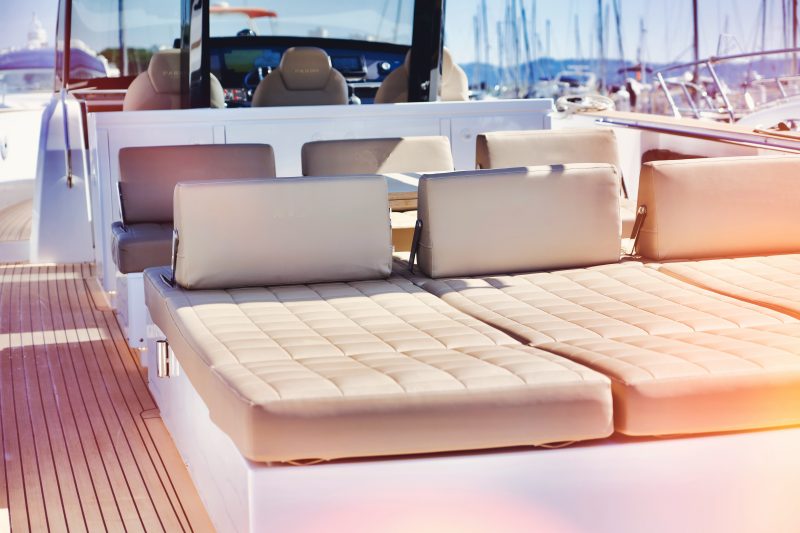
Weather resistance: It has strong UV resistance, hydrolysis resistance, and salt spray resistance, maintaining stability even in extreme outdoor environments, making it suitable for products such as outdoor yachts.
Wear resistance: The surface is specially treated to withstand long-term friction and scratches
Temperature Adaptability: Maintains flexibility and structural integrity even within extreme temperature ranges from -40°C to 200°C
Chemical resistance: It has strong resistance to chemicals such as acids, alkalis, and salts
These features make them especially outstanding in high-frequency usage scenarios such as car seats and outdoor furniture, with a lifespan far exceeding traditional materials.
![Image [2]-Silicone Leather: The Eco-Friendly, Durable, and Safe Artificial Leather That Outperforms Traditional Genuine Leather and PU/PVC with Zero Solvents, Super Wear Resistance, and Full Recyclability-Nleather](https://www.nleather.com/wp-content/uploads/2026/06/解决方案-3C电子-手机壳保护套-768x1024.jpg "解决方案-3C电子-手机壳保护套 – Nleather")
Outstanding comfort and safety
Silicone leather not only delivers powerful performance but also offers an excellent user experience:
Breathability: The molecular gap design allows water vapor to pass freely while blocking liquid water penetration, creating a “breathable” leather
Skin friendliness: Silicone-based materials have natural hypoallergenic and antibacterial properties, making them especially suitable for medical and infant products
Flame retardancy: When exposed to fire, it can quickly form a carbonized layer to self-extinguish, greatly improving safety in public places and vehicles
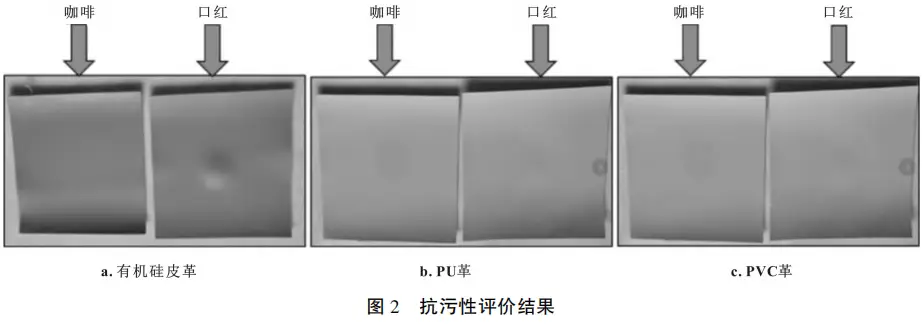
Easy to clean: Stains are less likely to adhere and can be restored to cleanliness with a simple wipe
![Image [3]-Silicone Leather: The Eco-Friendly, Durable, and Safe Artificial Leather That Outperforms Traditional Genuine Leather and PU/PVC with Zero Solvents, Super Wear Resistance, and Full Recyclability-Nleather](https://www.nleather.com/wp-content/uploads/2026/06/产品-高性能系列-汽车座椅-1024x802.png "产品-高性能系列-汽车座椅 – Nleather")
Extensive functional scalability
By adjusting formulations and processes, silicone leather can achieve a variety of special functions:
Medical-grade disinfection: Can withstand treatment with medical disinfectant 1-2 times daily without peeling or rotting
Anti-mold and antibacterial: Naturally resists mold growth, especially suitable for humid environments
Low fogging: Almost no volatile substances are released, preventing fogging of interior glass
Rich colors: Meets various design needs
Sustainable circular economy attributes
Silicone leather supports recycling and regeneration; after disposal, it can be chemically broken down and reused as raw material. Compared to the non-degradable PVC material, it remains environmentally friendly at the end of the product lifecycle, perfectly aligning with the concept of a circular economy.

No comments yet