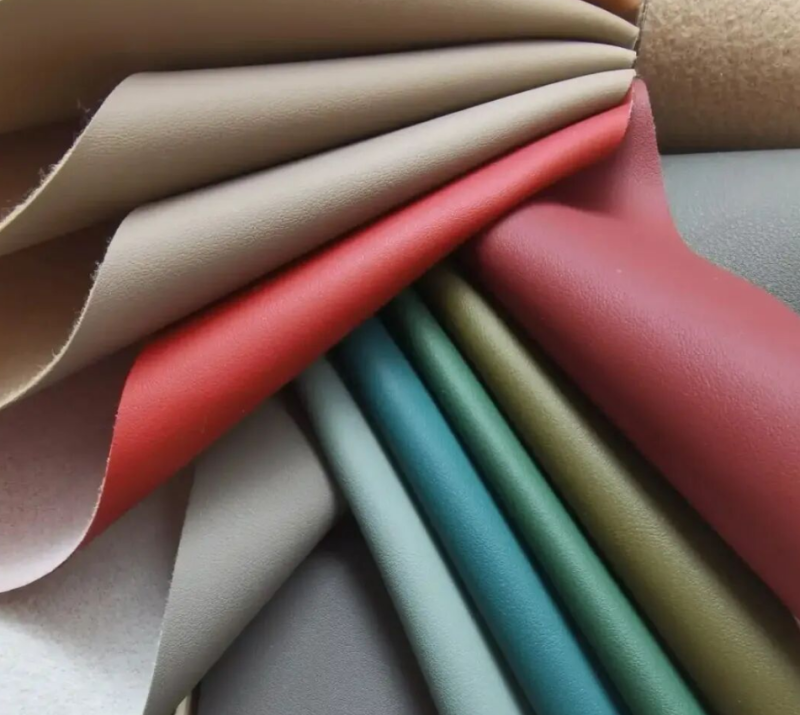


Summary: PU leather offers better performance, greater comfort, and is environmentally friendly, making it the top choice for those who value texture and health. PVC leather, with its strong waterproof and wear-resistant properties and high cost performance, is very suitable for outdoor and commercial use. Hopefully, this comparison will give you a clearer understanding of them.
![Image [1]-PU vs PVC Leather: A Comprehensive Guide to Differences in Material Composition, Performance Characteristics, Comfort, Health Impact, Environmental Sustainability, and Best Applications-Nleather](https://www.nleather.com/wp-content/uploads/2026/06/image-230.png "image – Nleather")
PU (polyurethane) and PVC (polyvinyl chloride) leather are both common artificial leather , but there are clear differences in performance, feel, and application. Simply put, PU leather is an upgraded alternative to PVC leather, offering better performance but a higher price. Let’s take a look at the specific differences between them:
1. Materials and craftsmanship
· PU (Polyurethane): Made by coating polyurethane resin onto canvas or other high-tensile base materials. The process is relatively complex, allowing flexibility without relying on plasticizers.
· PVC (Polyvinyl Chloride): Made by coating PVC resin with a large amount of plasticizer onto a knitted fabric base. The process is relatively simple, relying on plasticizers to achieve softness.
2. Performance and durability
· PU (Polyurethane): Superior physical properties, flex resistance, softness, and high tensile strength; Good breathability, coating resistant to hydrolysis aging, and longer lifespan.
· PVC (Polyvinyl Chloride): Has poor physical properties and easily hardens and becomes brittle at low temperatures; Extremely waterproof and chemically resistant, and highly wear-resistant (high-quality PVC can withstand over 100,000 Martindale wear tests).
3. Comfort and health
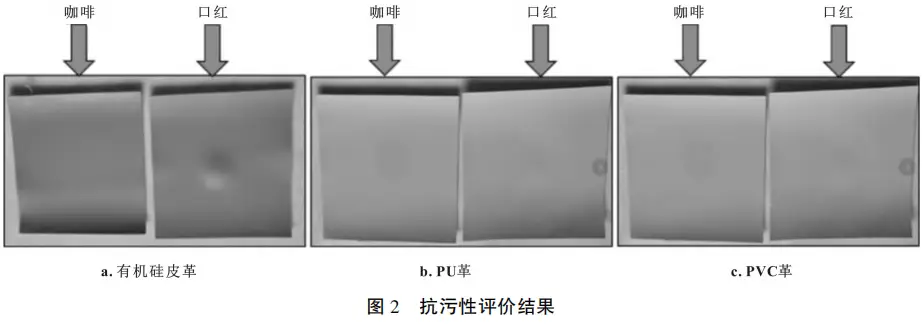
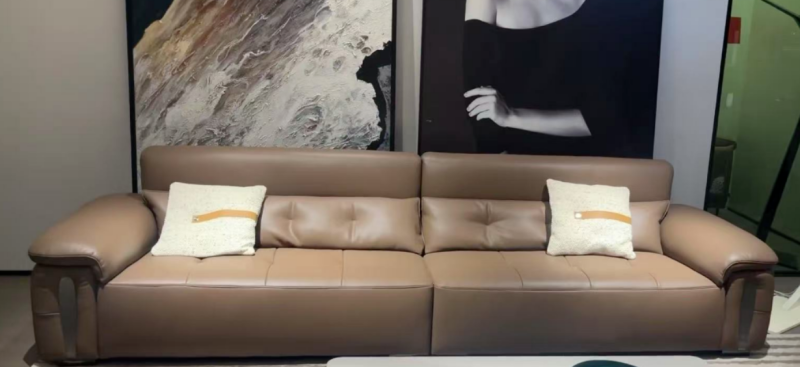
· PU (Polyurethane): Feels very close to genuine leather, soft, comfortable, and elastic. It has good breathability, does not feel stuffy during long periods, and usually has a mild odor.
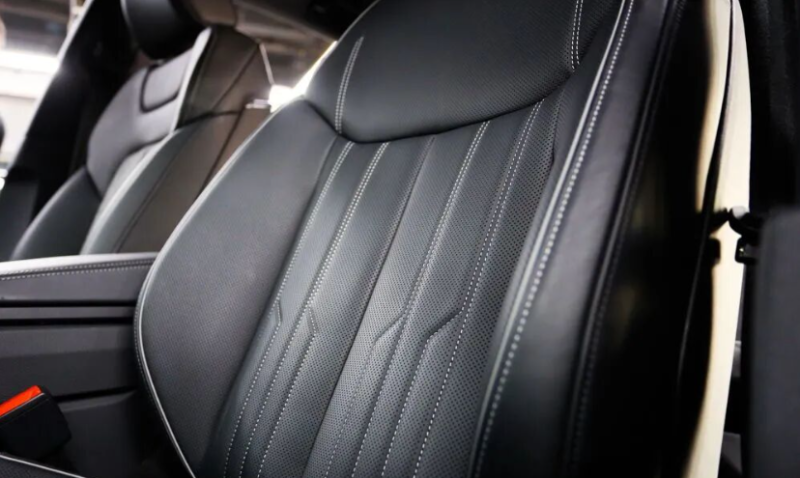
· PVC (polyvinyl chloride): feels relatively hard to the touch, with a strong plastic feel. Dense and not breathable, feeling stuffy and sweaty; It may emit a strong plastic odor.
![Image [2]-PU vs PVC Leather: A Comprehensive Guide to Differences in Material Composition, Performance Characteristics, Comfort, Health Impact, Environmental Sustainability, and Best Applications-Nleather](https://www.nleather.com/wp-content/uploads/2026/06/image-231.png "image – Nleather")
4. Environmental friendliness
· PU (Polyurethane): More environmentally friendly, with lower carbon emissions and toxicity during production. Some water-based PU leather can be recycled or use bio-based raw materials, complying with international environmental regulations.
· PVC (Polyvinyl Chloride): Environmental controversy, requires large amounts of plasticizers, and may release carcinogens during production and disposal; Non-biodegradable.
5. Price and Application
· PU (Polyurethane): Relatively expensive, usually more than twice the cost of PVC.
· PVC (Polyvinyl Chloride): Affordable, 20-30% cheaper than PU, making it a budget-friendly choice.
![Image [3]-PU vs PVC Leather: A Comprehensive Guide to Differences in Material Composition, Performance Characteristics, Comfort, Health Impact, Environmental Sustainability, and Best Applications-Nleather](https://www.nleather.com/wp-content/uploads/2026/06/image-232.png "image – Nleather")

No comments yet