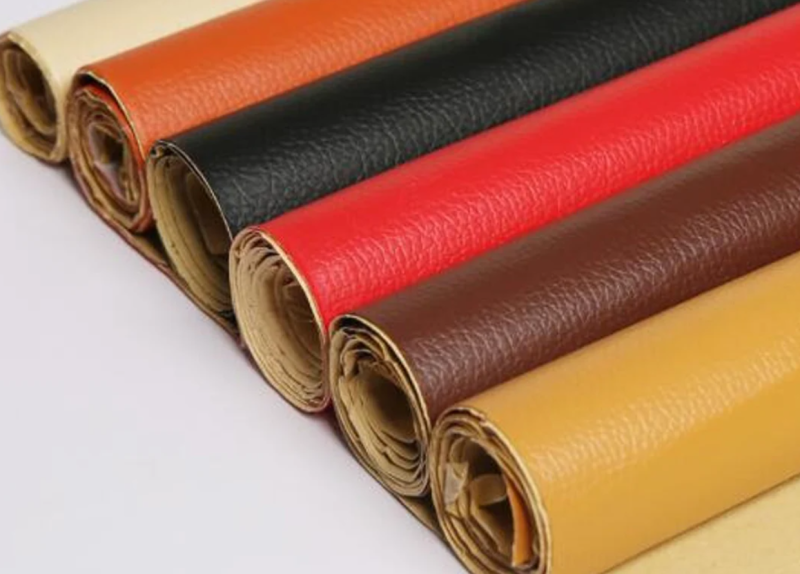


![Image [1]-10 Common Types of Leather and Their Characteristics and Applications for Different Uses: Cowhide, Sheepskin, Goatskin, Pigskin, and More-Nleather](https://www.nleather.com/wp-content/uploads/2026/06/image-192-1024x734.png "image – Nleather")
Yellow cow leather , water cow leather Sheepskin, goatskin, pigskin, leatherette …… What exactly are the differences between them? Which is more wear-resistant? Which is more breathable?
Yellow cow leather : Bags, belts, leather shoes—wear-resistant and stretch-resistant, maintaining a crisp shape
Yellow cow leather It is one of the most common leather raw materials on the market. Its fibrous tissue is very tight, with fine and evenly distributed pores, and mature yellow skin cow leather The thickness can reach 2-3 millimeters, with high tensile strength and excellent wear resistance. Many leather shoes, belts, and bags use it. Use yellow cow leather The leather goods made are sturdy and durable, standing the test of time.
Water cow leather : Sofa, cooling mat, casual bag—breathable, comfortable without stuffiness
Water cow leather Compared to yellow cow leather Thicker, the dermis can reach 3-4 millimeters, but the gaps between fibers are large, and the pores are large and sparse. Because of their large pores, their breathability and moisture absorption are more effective than yellow cow leather Even better, it won’t feel stuffy when used in summer. The downside is that it is relatively soft and slightly weaker than yellow yellow cow leather , commonly used to make sofas, cooling mats, and similar items.
Sheepskin: clothing, gloves, soft coverage—soft and close-fitting, comfortable to wear
Sheepskin is the “gentle pie” among leather. The pores are fine and flattened, with a smooth and fine grain surface, clear and attractive texture, and a unique “water ripple” effect. It feels soft and smooth to the touch, making it the top choice for making high-end clothing, gloves, and soft bags. According to processing techniques, they are further divided into whole grain, semi-grain, fully polished, and semi-polished types, with preserving the natural grain being more precious.
![Image [2]-10 Common Types of Leather and Their Characteristics and Applications for Different Uses: Cowhide, Sheepskin, Goatskin, Pigskin, and More-Nleather](https://www.nleather.com/wp-content/uploads/2026/06/image-193-1024x731.png "image – Nleather")
Goatskin: bags, belts, uppers—sturdy, stylish, sturdy, and durable
Goatskin pores are flattened and oval, arranged in a “tile-like” pattern, with numerous fine hairs arranged in a semicircle. The structure is relatively sturdy, with good tensile strength, making it harder and more durable. It is often used to make backpacks, belts, leather shoes, and more, offering texture without easily deforming.
Pigskin: insoles, linings, work gloves—breathable, affordable, durable, and stress-free
Pigskin is highly recognizable—the pores are large and arranged in a triangular pattern (three pores form a group), creating a unique “lychee pattern” or “longan pattern” effect. Although the appearance is not as good cow leather Sheepskin is delicate yet breathable, affordable, durable, and practical. Many linings, insoles, and affordable gloves are made from pigskin.
leatherette : Evening bags, fashion shoes, accessories—eye-catching shine, suitable for special occasions
leatherette It’s not a type of animal hide, but a processing technique—applying paint to genuine or PU leather, making the surface smooth and eye-catching. Common examples include: cow leather leatherette , sheepskin leatherette 、PU leatherette , and mirror surfaces leatherette And wrinkles leatherette 。 Its advantages are its shine and ease of maintenance; its drawbacks are poor scratch resistance and poor breathability, making it suitable for evening bags and fashion shoes.
![Image [3]-10 Common Types of Leather and Their Characteristics and Applications for Different Uses: Cowhide, Sheepskin, Goatskin, Pigskin, and More-Nleather](https://www.nleather.com/wp-content/uploads/2026/06/image-194.png "image – Nleather")
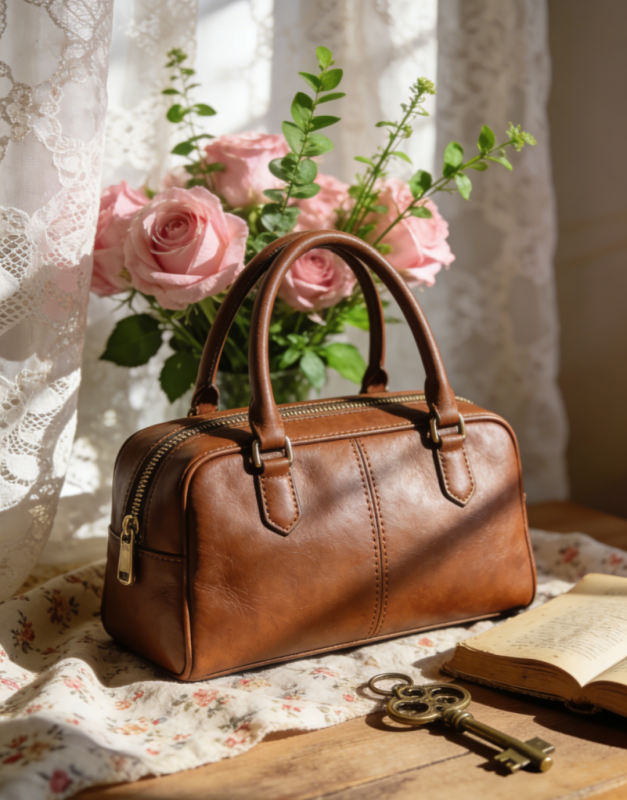
oil wax leather : Vintage bags, belts, leather boots—the more you use them, the more charming they become, full of personality
oil wax leather Its biggest feature is the color change phenomenon—when you stretch or fold the leather, the color deepens or lightens, creating a unique vintage effect. This is because the leather is treated with oil wax, allowing the oil to flow between the fibers. Common ones include ordinary oil wax leather Cationic wax oil wax leather White mist oil wax leather , suitable for vintage-style bags and belts.
chamois leather : Shoe upper, gloves, cleaning cloth—suede texture, soft and non-slip
Really chamois leather Derived from wild muntjac, but due to scarce resources, deerskin, goatskin, sheepskin, and other leather are now mostly used as substitutes to make suede leather. Its characteristics are a soft, smooth pile feel and good abrasion resistance, commonly used to make shoes, gloves, and camera cleaning cloths. Note: chamois leather Sensitive to water, it hardens easily after contact with water and requires careful care.
Microfiber leather: bags, footwear, furniture—comprehensive performance, high cost performance
Microfiber leather, officially called “microfiber polyurethane synthetic leather,” is a high-performance product artificial leather 。 It is resistant to deformation in environments ranging from -30°C to 80°C, adapting to various climates. It has the texture of genuine leather, is more wear-resistant and easier to maintain than genuine leather, and is also environmentally friendly and odorless. They come in various types such as polished, suede, and embossed finishes, serving as substitutes for many high-end brand eco-friendly leather goods.
Crocodile leather: high-end bags, watch straps, accessories—rare and precious, showcasing taste
Crocodile leather is considered the “diamond” of leather. The scales have a unique texture, are hard and wear-resistant, have a strong gloss, and are very expensive. By species, they are mainly divided into: Alligator (alligator), Crocodile (Siamese and Nile crocodile), and Porosus (bay crocodile). Among them, bay crocodiles are the rarest and most precious.
Quick Buying Guide
Clothing selection: Pursue soft, comfortable→ sheepskin; Want a firm, stylish goatskin →; Warm suede → is needed chamois leather
Bag selection: Durable for daily use→ yellow cow leather ; Vintage and → personality oil wax leather ; Lightweight and fashionable→ microfiber leather; High-end luxury → crocodile leather
Choosing shoes: wear-resistant, durable, → yellow cow leather ; Soft and comfortable → sheepskin; Non-slip suede → chamois leather ; The party was eye-catching → leatherette
After reading these 10 types of leather, I believe everyone has a clearer understanding of leather. Next time you buy leather goods, pay more attention to material labels and choose your preferred product based on your needs.

No comments yet