
Sort
DMFu Global Control: Essential Safety Rules Unveiled
Discover how global safety rules for DMFu can protect your family from hidden allergens lurking in everyday items—and what the latest testing standards mean for worry-free shoppin...
 1 months ago
Dyeing and Fixing Veg-Tan, Chrome, Oil-Tanned, and Machinery Leathers
Stop struggling with stubborn oil-tanned hides and discover the specialized fixing methods that lock color into its dense, water-resistant structure.
1 months ago
Veg-Tan Leather Dyeing Problems and How to Fix Them
Dampening veg-tan leather to a “sponge state” before dyeing fills the fibers with water, preventing instant absorption and giving you precious seconds to apply color evenly.
1 months ago
Comparative analysis of classification and application of matte materials in the leather industry
Organic polyacrylamide matting agents bring water solubility and adhesive flexibility to the table, thanks to linear polymer chains studded with reactive amide side groups.
1 months ago
Why Your Veg-Tan Leather Turns White and How to Stop It
Tackle the white, powdery residue on your veg-tan leather that wipes off like dust—it's often a dye precipitation issue, not mold.
1 months ago
The Ultimate Guide to Cellulose, Acrylic, and Silicone Leather Polishes
Striking the perfect balance between a glass-like shine and long-term flexibility is the primary challenge when choosing a synthetic polish.
1 months ago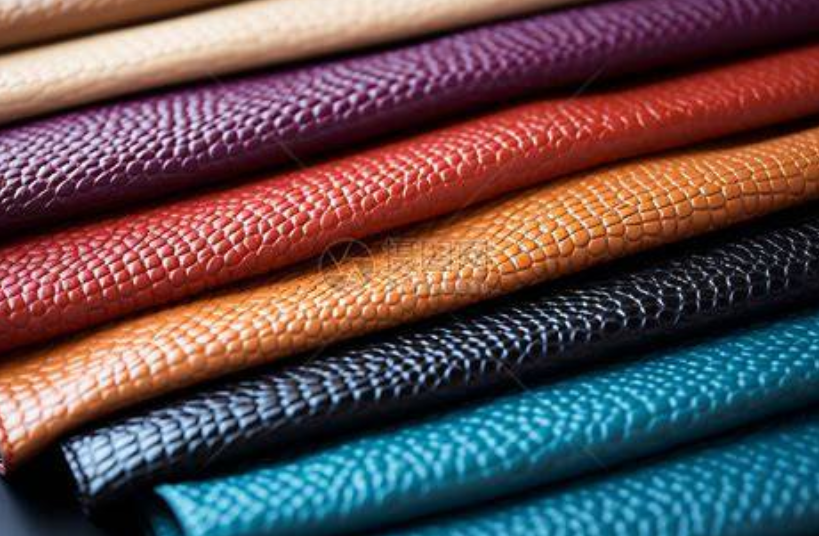
DIY Leather Art: Five Expert Finishing Techniques
Transform a simple leather panel into a wearable gradient sunset with nothing more than alcohol dye, a sponge brush, and a little patience.
1 months ago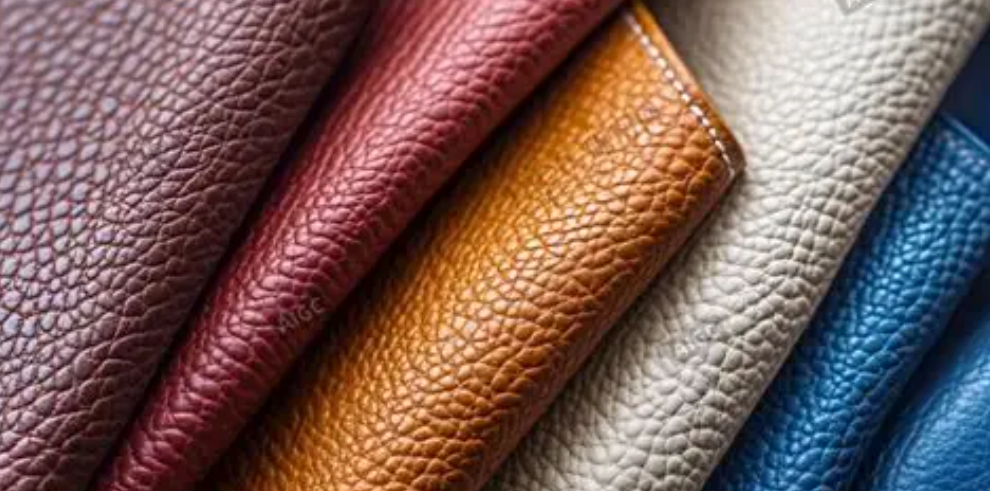
Understanding Localized Color Discoloration in Transparent Aniline Leather
Transparent aniline leather demands perfection, but localized discoloration and uneven absorption are such a technical hurdle that even seasoned leatherworkers consider it a persis...
1 months ago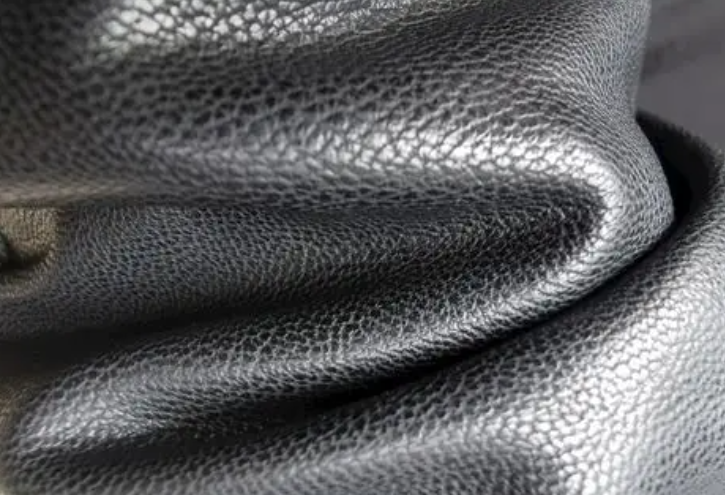
Leather Hardening After Color Change Causes and Solutions
An overly thick coating acts like a hardened shell, trapping the leather's natural movement and replacing soft drape with a stiff, plastic-like feel that cracks the moment it's ben...
1 months ago
Spotting Delayed Leather Defects Before They Ruin Your Project
Leather defects like oil-return cream don't always show up right away—they can emerge days or even weeks after a color change, catching even experienced crafters off guard.
1 months ago