

![Image [1]-PU and PVC Combined Finished Leather Process Optimization: Waterborne vs Solvent-Based Polyurethane for Eco-Friendly High Performance-Nleather](https://www.nleather.com/wp-content/uploads/2026/06/image-172.png "image – Nleather")
PVC combination finished leather : Traditional products
To form a he finished leather Although it has the advantage of low cost, it has issues such as a relatively hard feel, poor breathability, and weak aging resistance, and is gradually being integrated into PU in the mid-to-high-end market finished leather Replace it.
PU combined finished leather
Technological iteration focuses on environmental protection, functionality, and high-end design, giving rise to four major branches: solvent-based, water-based, solvent-free, and microfiber.
Solvent-based PU leather (oil-based)
Traditional processes have high VOC emissions and severe environmental pollution during production, which does not align with green development trends and are gradually being restricted.
Water-based PU Leather (Core Focus)
Using water as the dispersion medium to eliminate organic solvent pollution at the source, with mature processes, is the core development path for the industry’s environmental transformation today.
Solvent-free PU leather (zero VOC)
100% solid content, zero VOC emissions throughout the production process, highest environmental protection rating, representing finished leather One of the ultimate goals of clean production.
Ultra-fiber combination finished leather (High-end)
It`s structure and physical properties are closest to genuine leather, making it wear-resistant, breathable, and fold-resistant, mainly used in high-end fields such as footwear materials and automotive interiors.
Trends in the waterborne products industry
Greening and sustainability
Environmental protection processes are rapidly becoming popular, and the industry replacement rate will rise to over 45%.
High-end and functional
Upgrading to multifunctional aspects such as high wear resistance, waterproofing, and breathability.
Intelligence and digitalization
Introducing intelligent manufacturing and exploring the integration of materials and intelligent technologies.
Diverse application fields
Expanding into emerging fields such as new energy vehicles and smart homes.
Advantages of water-based products
Using water as the dispersion medium, VOCs emissions are extremely low, with a mild odor, and it is safe after film formation
High versatility, better suited for indoor and sensitive environments.
Characteristics of oil-based products
Solvent-based systems with dense film formation, strong weather resistance, excellent mechanical properties, and
It is still used in industrial protection and outdoor aging resistance
A comprehensive comparison of water-based and oil-based products
The oil is well-suited finished leather (Solvent type)
Relying on organic solvents such as DMF and toluene emits large amounts of VOCs during production, which not only harms the environment but also poses safety risks.
High VOC emissions
Discharge 3-5 kg of solvent per meter
High energy consumption during production
Requires expensive solvent recovery equipment
Environmental and safety hazards
Pungent odor with chemical residues
The nature of water is combined finished leather (Eco-friendly type)
Using water as the dispersion medium, it eliminates organic solvent hazards at the source, achieving a perfect unity of clean production and high performance.
Nearly zero VOC emissions
Green and environmentally friendly
Energy consumption reduced by 50-70%
Overall costs are more competitive
Baby-grade safety certification
Non-toxic and harmless, soft to the touch
![Image [2]-PU and PVC Combined Finished Leather Process Optimization: Waterborne vs Solvent-Based Polyurethane for Eco-Friendly High Performance-Nleather](https://www.nleather.com/wp-content/uploads/2026/06/image-173.png "image – Nleather")
European Union: Strict controls throughout the entire cycle
Strictly restrict the use of harmful substances such as DMF and phthalates through REACH regulations; At the same time, the Eco-Label eco-label system sets extremely high environmental requirements for the entire lifecycle of products, from raw material extraction to disposal, establishing a robust barrier to green trade.
United States: Consumer goods value limits tightened
Centered around the CARB regulation, extremely strict VOC content limits have been set for consumer products such as architectural coatings and adhesives. States like California have even implemented “low emission” certification, meaning only products that meet environmental standards can enter the local market, which has become a threshold that companies must overcome when exporting to North America
China: Deepening VOCs control
The “Comprehensive Management Plan for Volatile Organic Compounds in Key Industries” clearly requires that by the end of 2025, the replacement rate of waterborne polyurethane should reach over 65%. Starting in 2026, the limit for total non-methane hydrocarbon emission concentrations will be tightened to 30mg/m3, forcing companies to accelerate their green transformation.
Global environmental regulations are becoming increasingly stringent. Adopting green materials such as water-based polyurethane is not only a compliance requirement but also a strategic choice to avoid trade barriers and capture the international market.
Key performance indicators
Resistant to breakthrough through twists
Room temperature ≥ 100,000 twists. By optimizing the polyurethane molecular chain structure, a perfect balance of flexibility and fatigue resistance is achieved.
Excellent color fastness standards
Both dry and wet friction are excellent. Carefully selected high-quality water-based color pastes and optimized cross-linking systems ensure colors do not fade or migrate even in extreme environments.
Outstanding wear resistance
Uses highly wear-resistant polyurethane resin and cross-linked hardening treatment on the surface, greatly enhancing surface hardness and scratch resistance.
Stable chemical resistance and protection
Stable performance after 24 hours of water immersion, excellent resistance to alcohol rubbing. Special hydrophobic groups are introduced and the coating crosslinking density is increased, forming a dense chemical protective barrier.
Product application fields
01. Sofa Leather
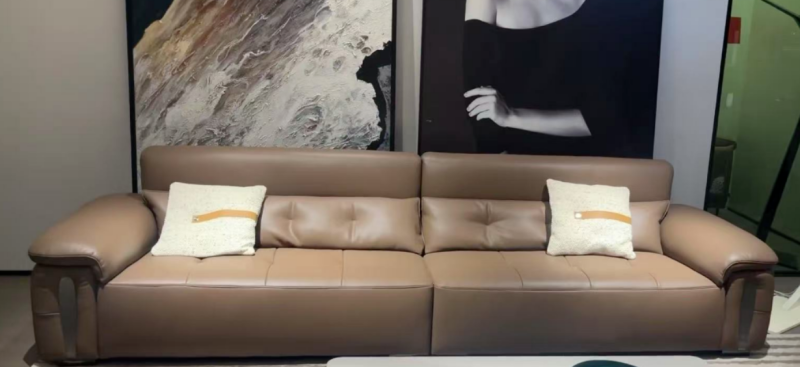
Soft and skin-friendly, suitable for various modern home styles, enhancing the quality of the space. Stylish bags
Comfort and environmental protection coexist using advanced water-based technology to achieve low VOC emissions and a zero odor experience, perfectly matching modern homes’ dual pursuit of healthy living and tactile comfort, creating a pure and secure home space for users.
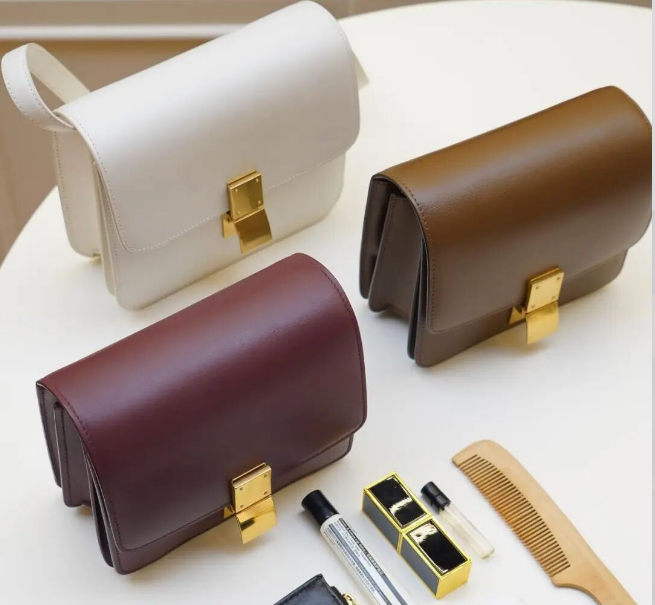
02. Luggage leather
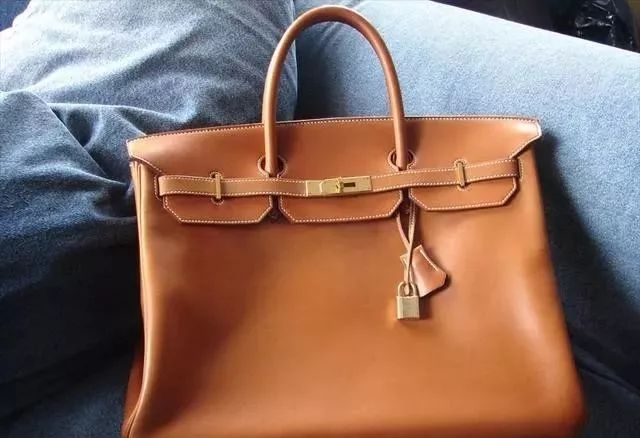
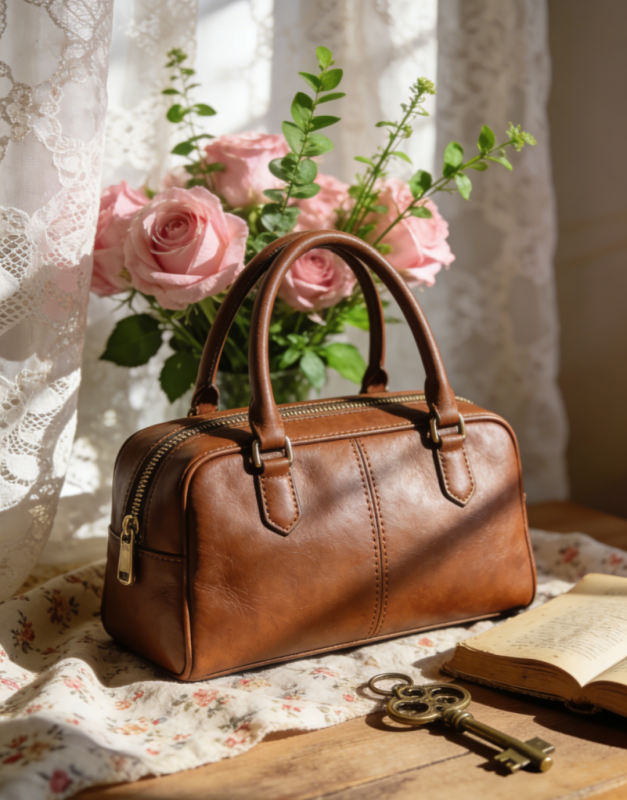
Wear-resistant, durable, and rich in texture, giving bag designs more trendy creative possibilities.
Balancing fashion and durability, it combines trendy design with excellent physical properties, featuring high wear resistance, tear resistance, and fold resistance, allowing fashion items to maintain perfect form even under frequent and intense daily use, leading new street fashion trends.
03. Trendy clothing
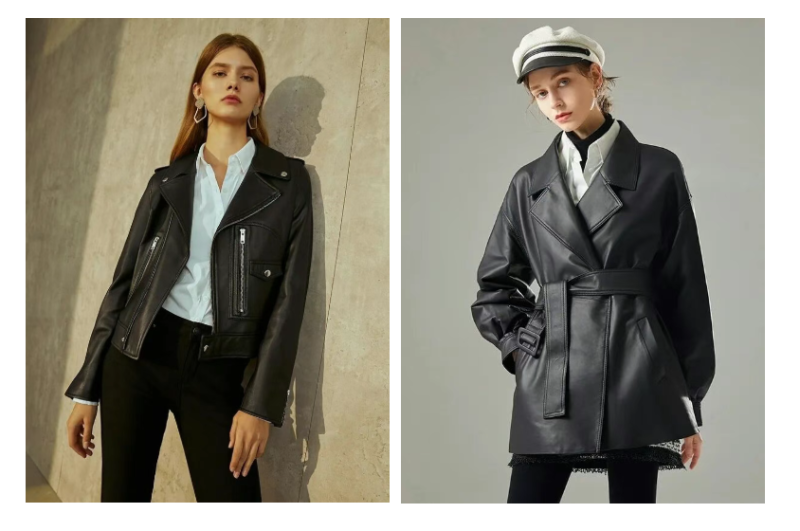
Lightweight and breathable, it can replace traditional leather and meet the demand for eco-friendly fashion.
Garment leather: A new definition of functional aesthetics breaks through the limitations of traditional leather’s thickness, achieving a fusion of softness, breathability, and lightness. Widely used in high-end fashion and outdoor wear, it not only enhances wearing comfort but also gives designers more diverse possibilities for fashion expression.
04. Automotive interior
Temperature and aging resistant, with a fresh scent, providing a comfortable and safe driving experience.
New opportunities in the blue ocean market, along with the explosive growth of the new energy vehicle industry, have become the fastest-growing application scenarios. Perfectly meeting the strict environmental standards and lightweight requirements inside vehicles, significantly enhancing cabin tactile and visual texture, is the core development direction for future automotive materials.

No comments yet