

The unique climate of spring and summer can be much more damaging to leather than you might imagine. Avoid the pitfalls first, and your care is already half the success!
● High humidity and moisture prevention are the top priority: During the Hui Nantian and Meiyu seasons, high humidity makes leather pores easily absorb water, causing mild white spots and unpleasant odors; severe cases can cause mold, softening, deformation, or even cracking.
● Residual stains accelerate aging: Sweat, salt, and dust left on clothing can breed bacteria in warm environments, causing discoloration and hardening of the leather, especially in high-contact areas like collars and handles.
● Ultraviolet rays quietly “fade”: As sunlight intensifies, prolonged exposure causes glossy leather to lose its shine and fade, making suede or suede brittle and fading. Even when placed indoors, avoid direct sunlight.
![Image [1]-A guide for moisture and mildew prevention in leather during the transition between spring and summer – Nleather-Nleather](https://www.nleather.com/wp-content/uploads/2026/08/20260802-142248-jC5ZL-nleather-silicone-leather.png "20260802-142248-jC5ZL-nleather-silicone-leather – Nleather")
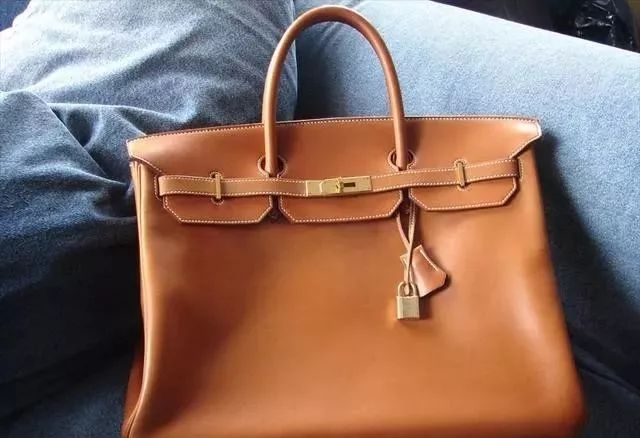
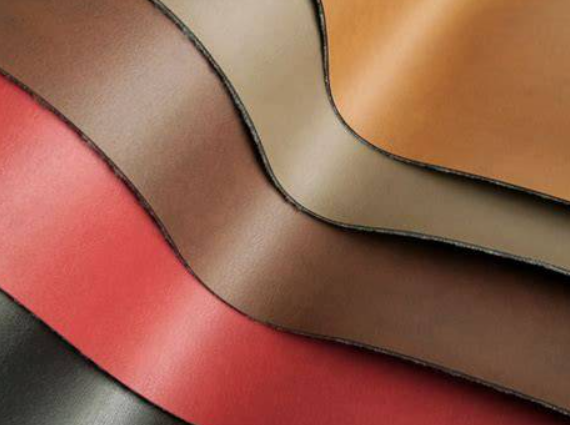
Glossy Genuine Leather ( cow leather /Sheepskin/Pork skin)
Key cleaning points : Centered on gentle and non-damage, use a soft brush to sweep away dust and salt stains along the grain. For stubborn stains, gently wipe with a soft cloth dipped in neutral leather cleaner, then immediately absorb moisture to avoid residue.
Nourishing techniques : After cleaning and drying, use a soft cloth dipped in a small amount of colorless care oil/cream to massage along the texture. Focus on areas prone to wear such as collars and handles, let it sit for 20-30 minutes to absorb, then polish.
Waterproof protection : Before the rainy season, use a special waterproof spray at a distance of 20-30cm (15 minutes between layers). Ventilate for 24-hour curing. After rainy weather, dry and ventilate promptly. Avoid direct sun exposure and drying with a hair dryer.
Suede/Suede (suede leather jackets, chamois leather Package)
Suede and suede leather have fine fuzz on their surfaces, which are most sensitive to water and friction. The key to spring care is “dry cleaning and stain prevention” to prevent fuzz clumping and fading.
Daily dust removal: Use a dedicated suede brush (or soft-bristle toothbrush) with a one-way gentle brush (dust removed from the bristles, reset along the bristles) to remove surface dust. Avoid rubbing back and forth to prevent fuzz from falling or turning white.
Stain Treatment: Minor stains (such as dust or loose dust) are gently wiped off with an eraser; For oil and sweat stains, apply cornstarch or talcum powder evenly to the stained area, let it sit for 1 hour to let the powder absorb the oil, then gently brush it off with a suede brush. Repeat 2-3 times.
Color Touch-up Renovation: If the suede surface fades or turns white, use a color-enhancing spray from the same color series of suede and spray evenly at a distance of 30cm. After spraying, it will air dry naturally and restore the original color. Be sure to spray thinly and evenly to avoid clumping.
Pitfall Warning: Do not use wet cloths, alcohol, or cleaners, as they can cause the suede to clump and fade, completely ruining the item; Avoid using it on rainy days. If it accidentally gets wet, immediately absorb moisture with a dry cloth, air dry naturally, and avoid direct sunlight.
artificial leather (PU/PVC)
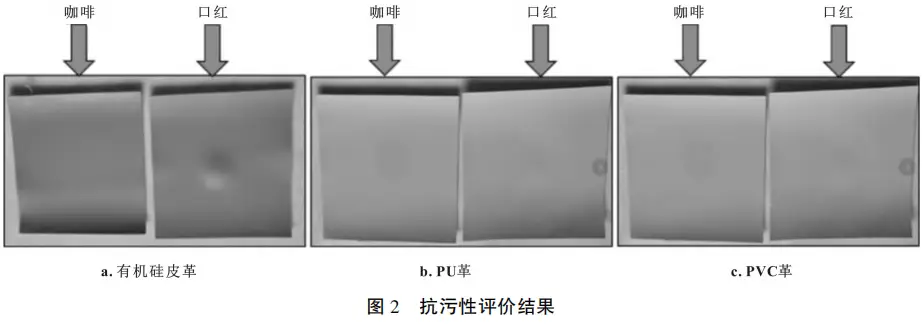
artificial leather Although not as delicate as genuine leather, it is prone to peeling, cracking, and yellowing in high-humidity environments. The key to care is “cleansing + anti-aging.”
Cleaning: Use a slightly damp soft cloth to gently wipe off surface stains. You can add a small amount of neutral detergent (diluted), and immediately wipe dry with a dry cloth after wiping to avoid moisture residue.
Nourishment: No need to use leather care oil; use it regularly as a dedicated product artificial leather Care agents: a thin layer can prevent dryness and cracking of the leather, extending its service life.
Storage: Avoid placing in high-temperature, sun-drenched, or humid places, as this can cause problems artificial leather Aging and peeling; When storing, wrap it in a dustproof bag to prevent compression and deformation.
Storage tips
Ventilate and dry before storing : After use, place leather pieces in a ventilated area to air dry naturally (avoid direct sun or tumble drying) to ensure the surface is completely dry before storing them to prevent residual moisture from growing mold.
Moisture-proof treatment : In the leather storage cabinet, place desiccants and mothballs (away from the leather surface to prevent corrosion) to absorb moisture from the air and prevent mold; You can also place clean newspaper or bubble wrap inside the bag to maintain the shape and absorb moisture.
Arrange them correctly : For leather jackets for hanging storage, use wide-shoulder hangers to prevent the hanger from being too thin and creasing; Place the leather bag upright to avoid squeezing or deformation; Put the leather shoes in the shoe stand to keep their shape, wrap them in a dust bag before storing, and avoid dust contamination.
Common misconceptions
Misconception 1: Cleaning leather with alcohol, soap, or laundry detergent → corrodes the surface, causing dryness, cracking, and fading.
Misconception 2: When leather gets wet, it is dried with a hair dryer or sun-dried → the surface quickly loses moisture, becoming stiff and cracked.
Misconception 3: The thicker the care agent, the better→ Excess oil can clog pores on the leather, leading to mold, white spots, and dust accumulation.
Misconception 4: All leather uses the same care agent→ glossy finish, suede finish, artificial leather Different materials, and mixing care agents can damage the leather.

No comments yet