
Elastic color-changing leather is a functional leather material that can produce a gradient color effect under external forces such as stretching, lifting, or bending. This article systematically explains the production process of elastic color-changing leather from two dimensions: natural leather tanning process and synthetic polymer materials. In the field of natural leather, the focus is on the re-tanning, dyeing, and fatting processes of yellow cattle stretched color-changing leather; In the field of artificial leather, a detailed introduction was given to PVC/PU-based multilayer coating processes and biomimetic elastomer materials designed based on molecular structure. Finally, a comprehensive analysis of the technical characteristics, existing problems, and future development trends of the existing process was conducted.
![Image [1]-Elastic Color-Changing Leather: Stunning Production Secrets – Nleather-Nleather](https://www.nleather.com/wp-content/uploads/2026/07/20260726-172242-knW8F-nleather-silicone-leather.png "20260726-172242-knW8F-nleather-silicone-leather – Nleather")
Introduction
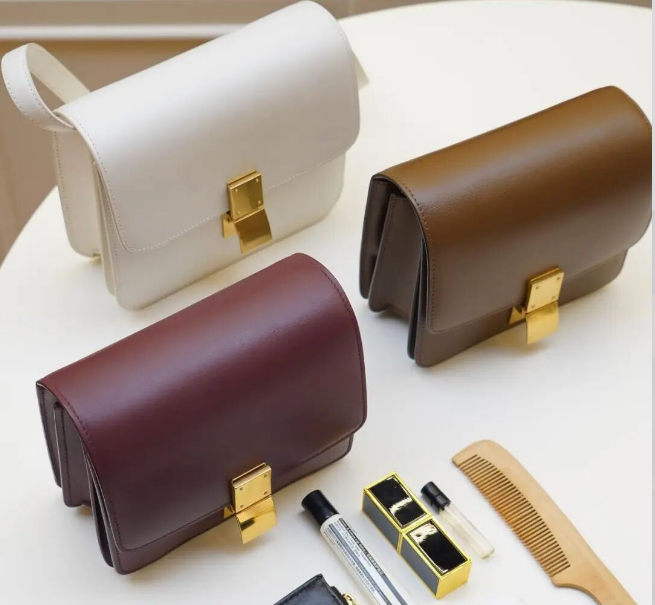
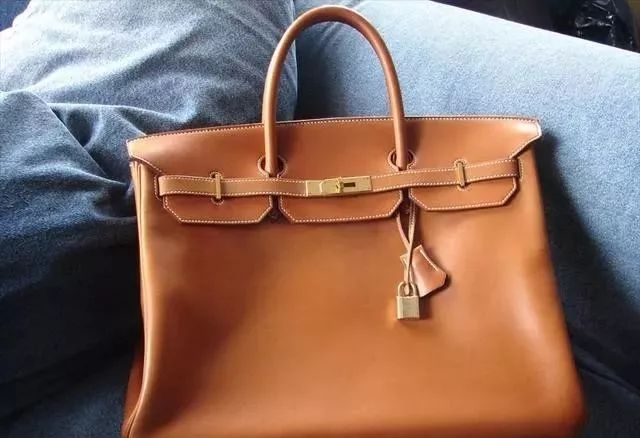
Elastic color-changing leather, commonly referred to in the leather industry as “pull-up leather” or “stretch-colored leather,” is a type of leather product that produces a noticeable effect of darkening or lightening color under external stretching force. This leather features a full, soft body, excellent elasticity, fine and smooth grain texture, and a rich, natural color. The color-changing effect shows a gradient from light to deep as the deformation gradient changes, giving a natural and soft visual effect. It is an ideal fabric for making fashionable shoes, bags, and high-end furniture.
With the development of materials science, the technical route for elastic color-changing leather has gradually diverged into two directions: one is based on traditional tanning processes Stress changes color leather , mainly achieving color-changing effects through the distribution of oils and retanning agents between fibers; Second, it is based on polymer science Stimulus-responsive color-changing materials , achieving reversible color changes through molecular structure design. This article will systematically explain these two technical routes.
The elastic color-changing process of natural leather
Mechanism of Color Change
The elastic color-changing effect of natural leather is mainly based on optical principles. When leather is stretched, the originally loosely interwoven collagen fiber bundles are tightened and stretched, the gaps between fibers shrink, which changes the absorption and reflection properties of the coating and leather on the surface. Specifically, stretching reduces the pigment density per unit area on the leather surface, while changes in fiber orientation alter the angle of light scattering, resulting in variations in color depth. When external force is removed, the fibers rely on their own elasticity to return to their original state, and the color also recovers.
Production Process of Yellow Ox Stretched Color-Changing Leather
The production process of stretched color-changing leather using yellow cow blue wet leather as raw material mainly includes four key stages: re-tanning, dyeing, fatting, and finishing.
Re-tanning process
Re-tanning is the foundation for giving leather its excellent elasticity. Selective filler retanning agents, such as synthetic tanning agents combined with vegetable tanning agents, give the leather good fullness and elasticity. During retanning, it is necessary to control the pH between 4.0-4.5, the temperature between 35-40°C, and the drum speed at 8-12 rpm. Through reasonable mechanical action, the tanning agent penetrates evenly and bonds appropriately at the grain layer.
Dyeing process
Dyeing is key to determining the effect of color change. Stretch color-changing leather is commonly used Aniline staining Or Semi-aniline staining Process: Select acidic dyes or metal complexing dyes with good permeability and strong light resistance. Dyeing temperature is controlled at 60-65°C, with a dyeing time of 60-90 minutes to ensure the dye penetrates evenly into the fibers. It is worth noting that adding an appropriate amount of formic acid in the later dyeing stage can strengthen the bond between the dye and the skin fibers while maintaining dye migration, which is an important prerequisite for achieving the color-changing effect.
Fat addition process
Fatting is crucial for the elastic color-changing effect. Adopt Color-changing effect oil Used together with conventional fat-adding agents. Color-changing effect oils typically have a high refractive index and appropriate mobility. For example, DF-3 color-changing effect oil is mainly composed of sulfonic acidified synthetic oils and high-refractive index oils. The fat addition temperature is controlled at 50-55°C, and the fat dosage is generally 10%-15% of the leather weight shaved evenly. The fat-coated leather needs to be hung and dried to evenly distribute the oil between the fibers and form an oil film on the fiber surface, enhancing the optical effect during stretching.
Mechanical softening and finishing
After drying, the leather undergoes mechanical treatments such as stretching and vibration softening to further loosen the fibers, improving softness and elasticity. Coating is adopted Thin layer and transparent The coating system mostly uses aniline or semi-aniline coatings, with a coating thickness controlled at 10-15μm to maintain the leather’s natural grain and feel. The coating formula includes an appropriate amount of tactile agents; for example, SG-01 provides a silky, soft feel, while SG-02 provides a drier touch.
Table 1: Typical process parameters of yellow cattle stretched color-changing leather
| Process | Main ingredients | Temperature (°C) | Time (min) | Key control points |
|---|---|---|---|---|
| Tanned again | Synthetic tanning agents, vegetable tanning agents | 35-40 | 60-90 | pH value 4.0-4.5, with uniform penetration |
| Dyeing | Acid/metallic complexing dyes | 60-65 | 60-90 | Formic acid fixes color and maintains migration |
| Add fat | Color-changing effect oil, synthetic oil | 50-55 | 60-90 | Oils penetrate evenly |
| Decoration | Aniline coating agents, tactile agents | Room temperature | – | Thin coating, thickness 10-15μm |
![Image [2]-Elastic Color-Changing Leather: Stunning Production Secrets – Nleather-Nleather](https://www.nleather.com/wp-content/uploads/2026/07/20260726-172329-43juT-nleather-silicone-leather.png "20260726-172329-43juT-nleather-silicone-leather – Nleather")
Elastic color-changing process for artificial leather
Discoloration of PVC substrates artificial leather
Multi-layer structure design
PVC base discoloration artificial leather A typical three-layer structure design is used: surface layer, color-changing layer, and foam layer.
Surface layer : Composed of polyurethane resin and organic solvents, providing wear resistance and tactile feel. Typical formulas are: 100 parts polyurethane resin, 80-100 parts MEK (butanone), 1-3 parts stripper agent.
Color change layer : A color-changing functional layer composed of polyvinyl chloride resin, plasticizers, fillers, and PVC color paste. The color paste content directly affects the color-changing effect and is usually controlled between 3-5 parts. Calcium bicarbonate serves as a filler, regulating viscosity and providing a certain degree of coverage.
Foam layer : Provides elasticity and thickness. Contains PVC resin, plasticizers, foaming agents, and stabilizers, forming microporous structures through high-temperature foaming.
Release paper transfer process
Production is carried out using the release paper transfer method, with the following specific steps:
Surface coating : Evenly coat the surface layer of slurry onto the release paper, then dry at 130-160°C for 60-70 seconds.
Color-changing layer coating : Apply a color-changing slurry to the surface layer, dry at 150-170°C for 70-80 seconds.
Foam layer coating : Apply foam layer slurry, perform foaming reaction at 170-190°C for 80-90 seconds.
Fit : Apply polyurethane adhesive to the foam layer and bond it to the base fabric.
Maturation and Peeling : After an appropriate maturation period, the release paper is peeled off to obtain the finished product.
Wet Process for PU-Based Color-Changing Leather
PU-based color-changing leather mostly uses wet solidification processes, with more refined color-changing layer designs. A typical color-changing paste formula is: 100 parts mixed resin (such as 8F8080), 20-30 parts solvent (MEK), 4-5 parts organic dye, 1-3 parts tactile agent, and 3-5 parts color-changing agent (BS-01).
Process steps :
Slurry preparation : Mix the above ingredients evenly, controlling viscosity within an appropriate range.
Coating : Apply the slurry to release paper, 20-25μm thick, dry at 120-140°C for 5-10 minutes to form a color-changing layer.
Adhesive layer coating : Apply 2062 base resin as the binder, then dry again.
Fit : At 80-100°C, use 80-100kg pressure to bond release paper to the shell (knitted or non-woven fabric).
Stripping and protection : Peel off the release paper, cover the color-changing layer with high-temperature resistant oiling paper, and roll to obtain the finished product.
Table 2: Comparison of PVC and PU-based color-changing leather processes
| Project | PVC-based color-changing leather | PU-based color-changing leather |
|---|---|---|
| The main body of the color-changing layer | PVC resin + color paste | Composite resin + organic dye |
| Color change mechanism | Slurry concentration gradient + tensile orientation | Dye molecular conformation changes + stress orientation |
| Processing temperature | 130-190℃ | 120-140℃ |
| Main features | Good elasticity and low cost | Excellent hand feel, obvious color change |
Cutting-edge technology
In recent years, biomimetic color-changing materials based on polymer self-assembly technology have made significant breakthroughs. Professor Sergei S. Sheiko’s team at the University of North Carolina reported in Science on an elastomer material similar to chameleon skin.
Principles of Molecular Design
This material is used Linear-bottlebrush-linear triblock copolymer Structure. Among them:
Rigid structural domain : Linear chain segments aggregated into rigid micro-regions, providing mechanical support and strain hardening characteristics.
Flexible matrix : An ultra-soft matrix formed by bottle brush-like molecules ensures the material’s elasticity and flexibility.
Optical control : The periodic arrangement of molecular structures forms photonic crystal structures. By stretching, the lattice spacing is changed, thereby altering the wavelength of reflected light and achieving color changes.
Performance Characteristics
This material does not require chemical crosslinking or additives; discoloration and tensile resistance can be achieved solely through regulation of the physical structure of the macromolecules. Its elastic modulus can increase by several orders of magnitude in a short time, far exceeding conventional elastomers, and can precisely replicate the mechanical responses of biological tissues such as pig skin.
Comprehensive analysis
Currently, there are three main technical approaches for elastic color-changing leather, each with its own characteristics:
| Technical route | Color change mechanism | Advantages | Limitations | Application areas |
|---|---|---|---|---|
| Natural leather tanning technique | Fiber stretching + grease optical effect | Strong genuine leather texture, natural color change, good breathability | Complex processes and difficult quality control | High-end uppers and bags |
| PVC/PU coating process | Pigment distribution changes + stress orientation | Low cost, mature craftsmanship, and rich colors | Wear resistance needs improvement, and breathability is poor | Clothing, furniture, decoration |
| Molecular design elastomers | Photonic crystal structure regulation | Good reversibility and programmable color change | High industrialization costs and still under R&D | Bionic skin, wearable devices |
Regardless of the process route, the key to achieving excellent elastic color-changing effects lies in:
Construction of elastic substrates : Natural leather needs to be properly re-tanned and fat-sealed to give fibers good elasticity; artificial leather it relies on the microporous structure of the foam layer or elastomer matrix.
Design of the color-changing functional layer : The color-changing layer needs to maintain a certain degree of “migration,” meaning it can produce sufficient microstructural changes during stretching to achieve color change.
Balance of protective layers : The surface protective layer must ensure sufficient wear resistance (such as PVC base). artificial leather The polyurethane surface layer can significantly increase the number of wear cycles from 20,000 to 20,000 times), but it is not too thick and thus suppresses discoloration.
Elastic color-changing leather is the product of combining materials science with traditional tanning techniques. Currently, three technical routes have been established: natural leather tanning, artificial leather coating, and cutting-edge molecular design elastomers. Natural leather craftsmanship focuses on fiber condition and oil distribution, giving products a strong natural feel; artificial leather The process emphasizes multi-layer structural design and coating formulations, offering low cost and a wide range of colors; Molecularly designed elastomers represent future development directions and have the potential for programmable color change. As consumer demand for personalized and functional leather products grows, elastic color-changing leather will see broader applications in footwear, bags, furniture, and wearable devices.

No comments yet