


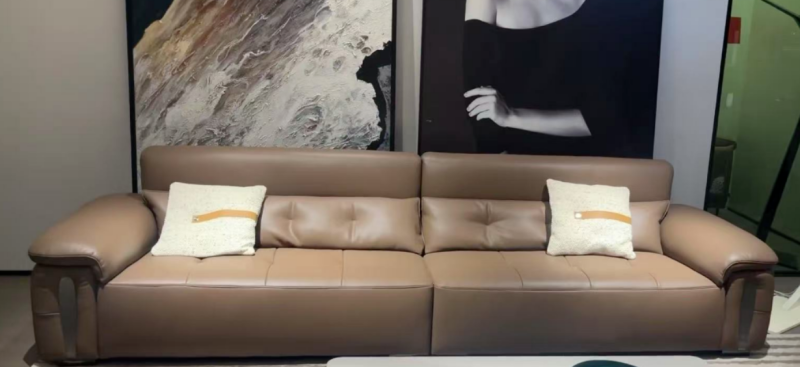
How to choose a scratch-resistant sofa? Ultra-fiber leather VS cat paw leather
Compare microfiber leather and cat paw leather for scratch-resistant sofas. See which material resists cat claws longer, costs less over time, and is more eco-friendly. Includes sc...
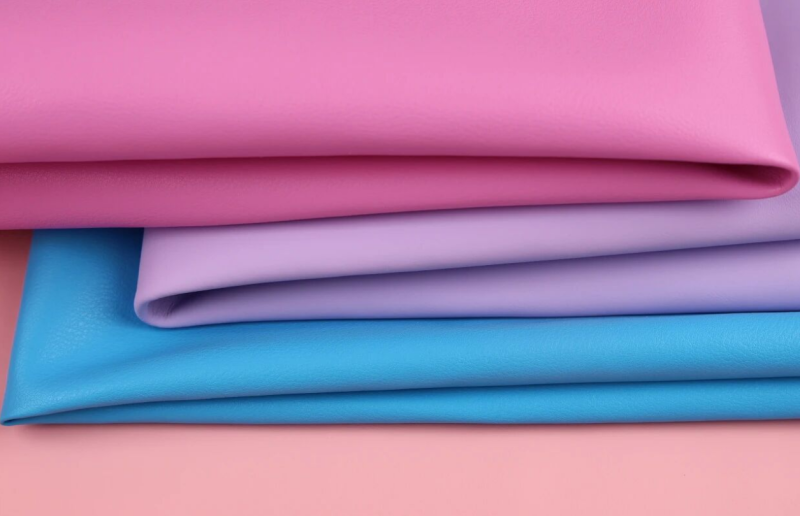
Finely creased microfiber leather
Learn how finely creased microfiber leather resists aging with delicate creases, quick rebound, and soft-yet-supportive feel. Precise production and honeycomb fiber structure ensur...
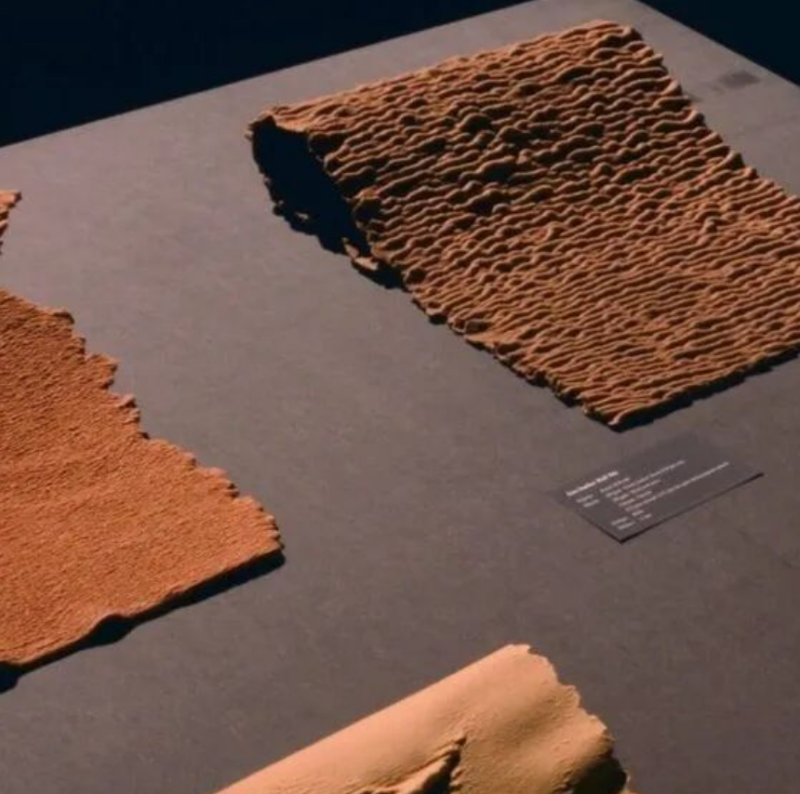
Beyond Concept leather ? Bio-based leather
Discover how innovators like VEGEA, Ananas Anam, and Beyond Leather use food waste—grapes, pineapple leaves, olives—to create durable bio-based leather alternatives. These eco-fr...
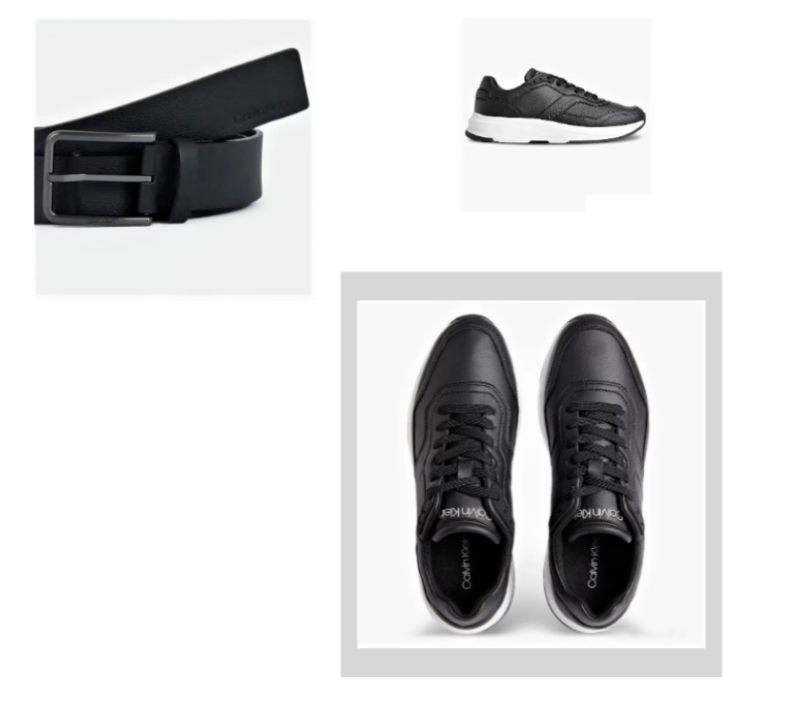
Vegan leather is a hot hit in the fashion world
Forget sacrificing style for ethics—vegan leather is having a stunning, high-fashion moment, transforming everything from grape and mushroom waste into the chicest bags on the run...
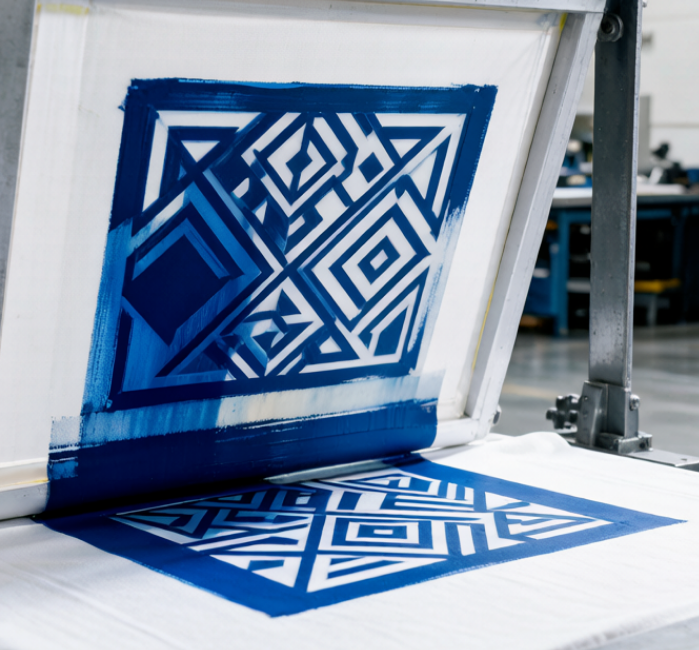
Printing and Jacquard: Uncover Stunning Fabric Secrets
Ever touched a fabric that felt flat when it should’ve had depth—or admired a gorgeously detailed design and wondered how it was made? Discover the surprising difference between ...
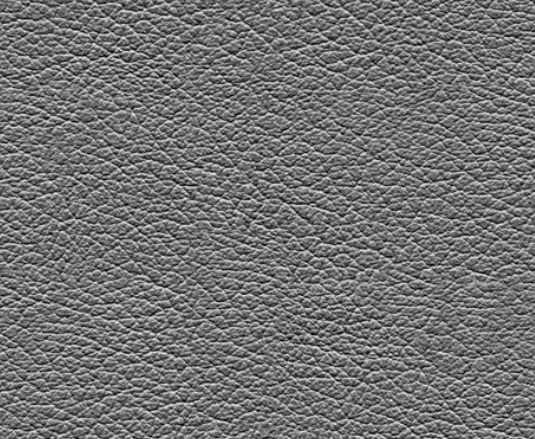
Comparative analysis of classification and application of matte materials in the leather industry
Organic polyacrylamide matting agents bring water solubility and adhesive flexibility to the table, thanks to linear polymer chains studded with reactive amide side groups.
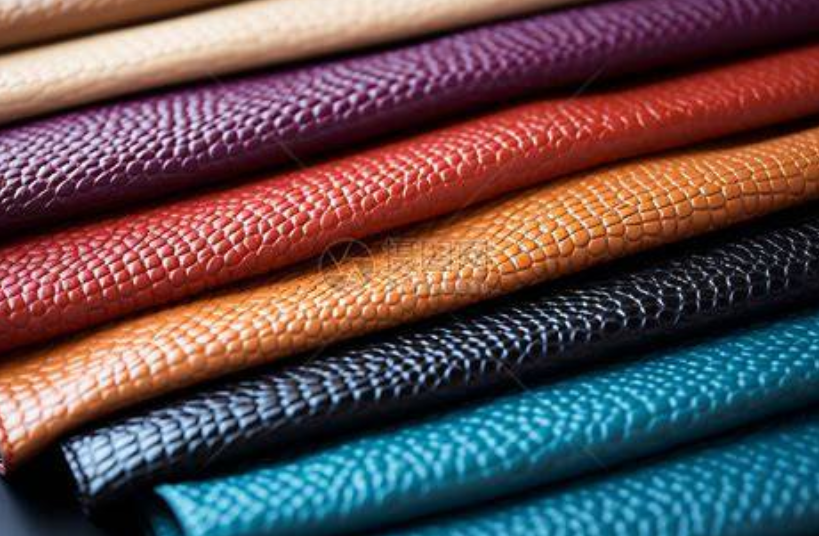
DIY Leather Art: Five Expert Finishing Techniques
Transform a simple leather panel into a wearable gradient sunset with nothing more than alcohol dye, a sponge brush, and a little patience.
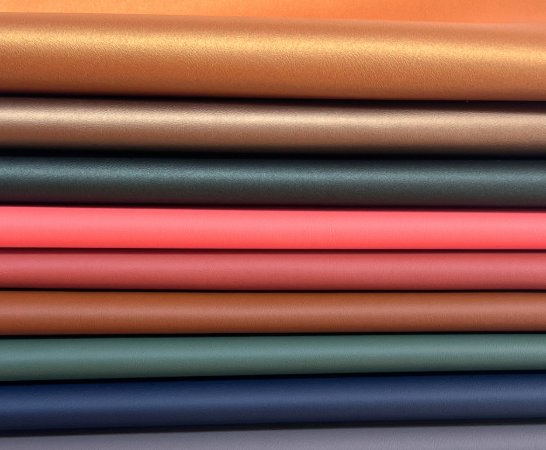
Spotting Delayed Leather Defects Before They Ruin Your Project
Leather defects like oil-return cream don't always show up right away—they can emerge days or even weeks after a color change, catching even experienced crafters off guard.
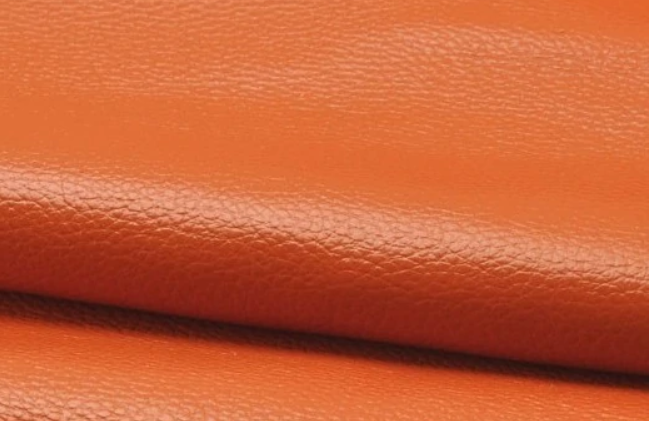
Fixing the Root Cause of Veg-Tan Leather Discoloration
The very process that gives veg-tan leather its rich color also strips away its natural antibacterial defense, creating a silent vulnerability.
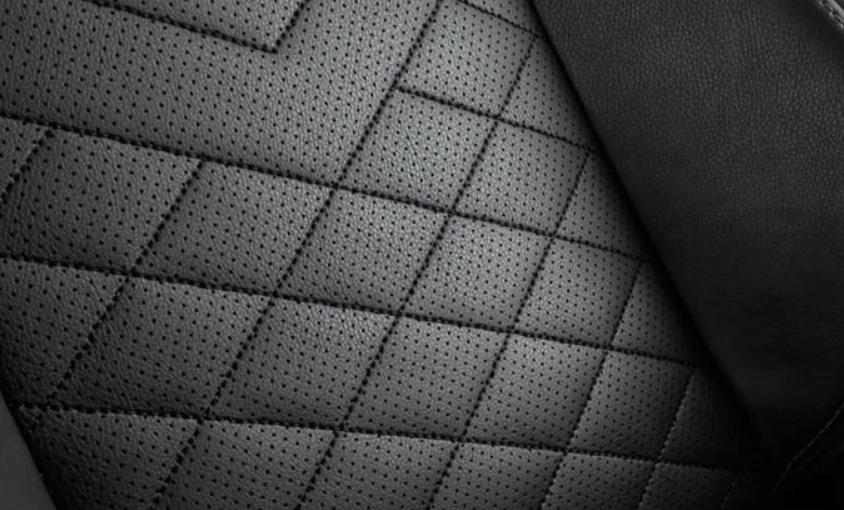
Solving the Unsolvable: PU Coating Instability and Post-Color-Change Material Degradation
Color change doesn't create material degradation — it acts as a catalyst that accelerates the inevitable self-destruction of chemically unstable polyurethane.
