


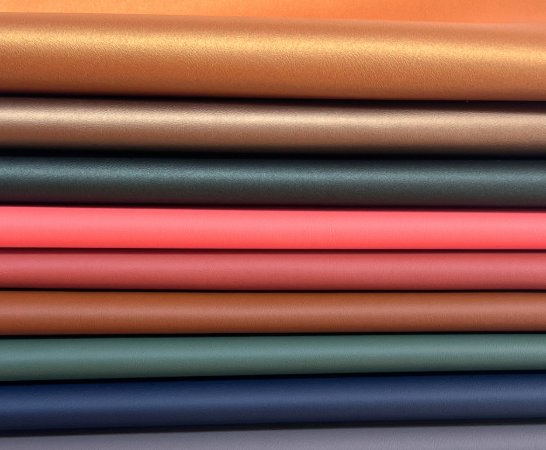
Spotting Delayed Leather Defects Before They Ruin Your Project
Leather defects like oil-return cream don't always show up right away—they can emerge days or even weeks after a color change, catching even experienced crafters off guard.
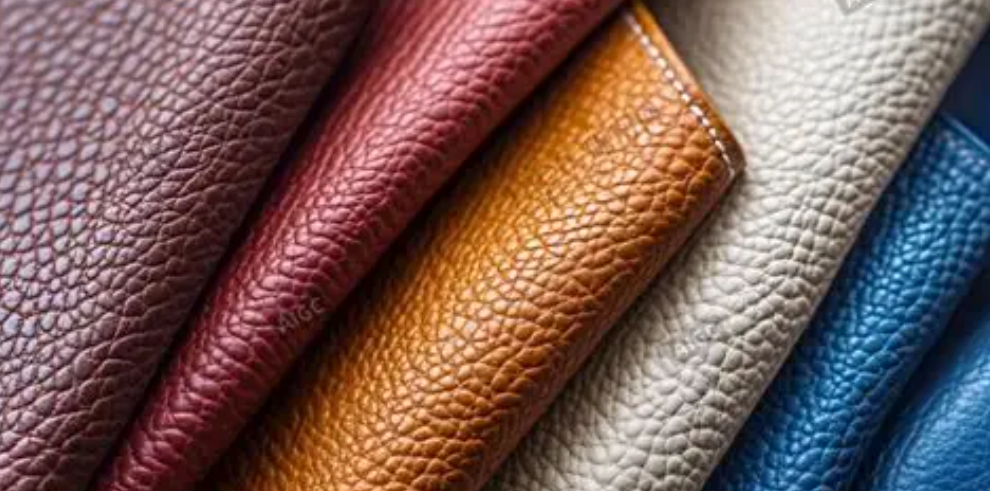
Understanding Localized Color Discoloration in Transparent Aniline Leather
Transparent aniline leather demands perfection, but localized discoloration and uneven absorption are such a technical hurdle that even seasoned leatherworkers consider it a persis...
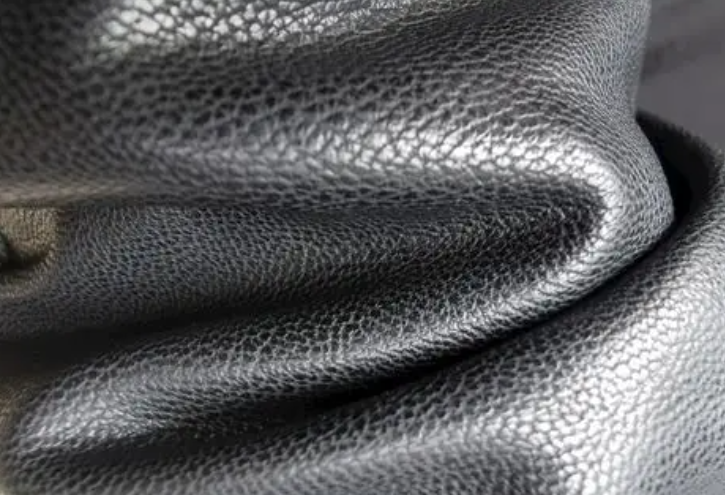
Leather Hardening After Color Change Causes and Solutions
An overly thick coating acts like a hardened shell, trapping the leather's natural movement and replacing soft drape with a stiff, plastic-like feel that cracks the moment it's ben...
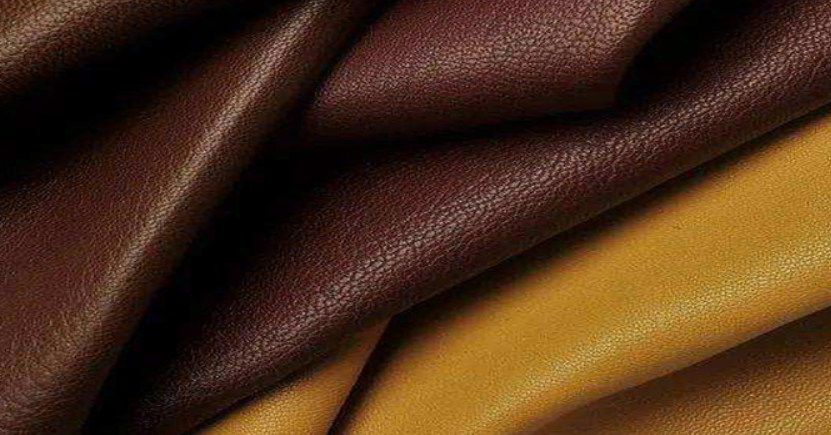
Solving Coating Failure When Color Rubs Off
深入分析皮革涂层的两大硬伤:干/湿擦掉色和表面发粘。从清洁去膜不彻底、交联剂使用不当、树脂颜料比例失衡、干燥固化不足等方面剖析成因,帮助皮革修复从业者精准诊断并解决涂层附着力失效问...
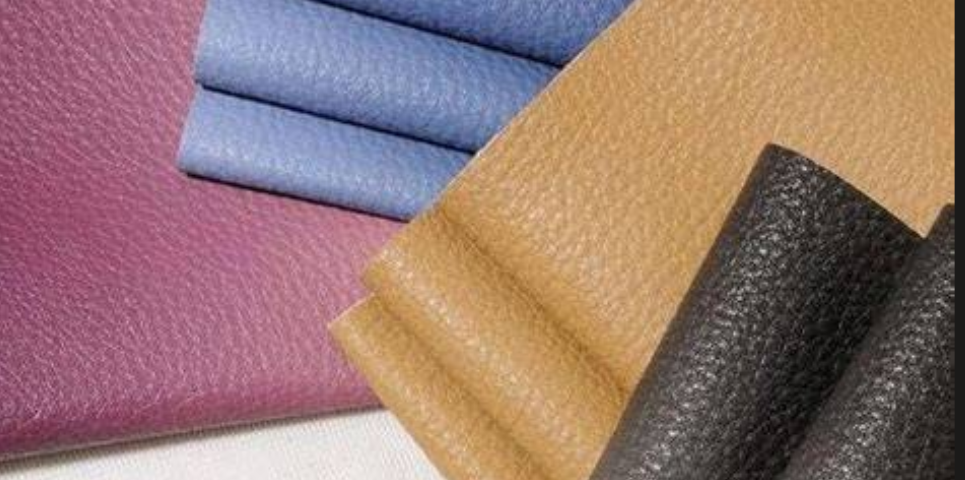
Sealing and Protecting Natural Leather from Moisture Damage
Sealing is the critical missing step—without locking in dyes and fibers, your carefully crafted piece remains a magnet for moisture damage.
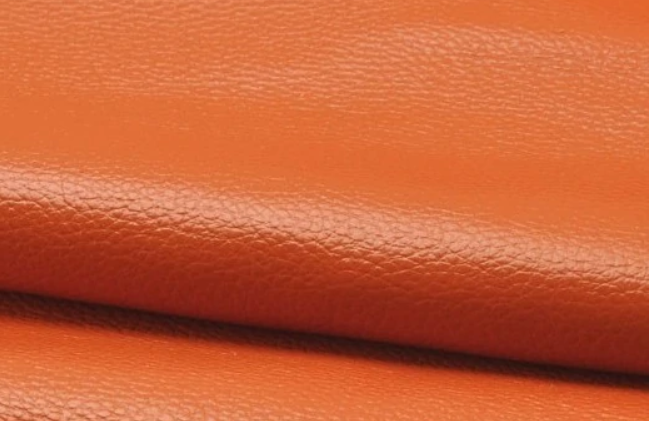
Fixing the Root Cause of Veg-Tan Leather Discoloration
The very process that gives veg-tan leather its rich color also strips away its natural antibacterial defense, creating a silent vulnerability.
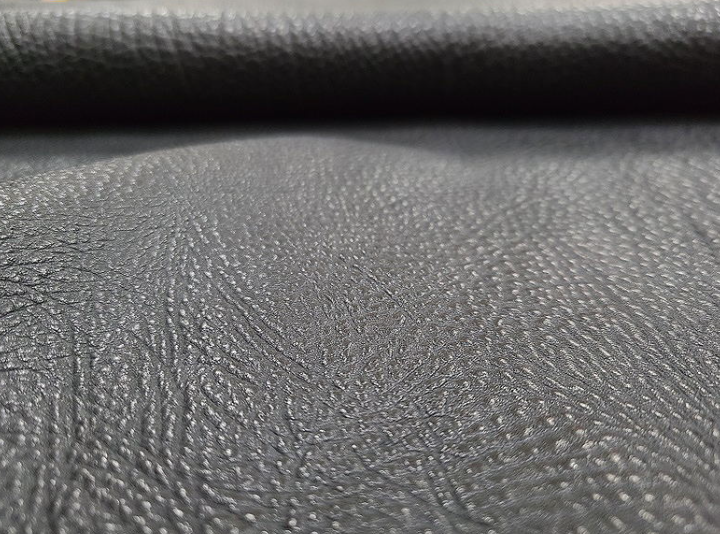
Why Your Veg-Tan Leather Coating Cracks and Peels—and How to Repair It
Diagnosing the peel requires a three-dimensional autopsy: a flawed coating recipe, a poorly prepared surface, and the silent creep of material aging.
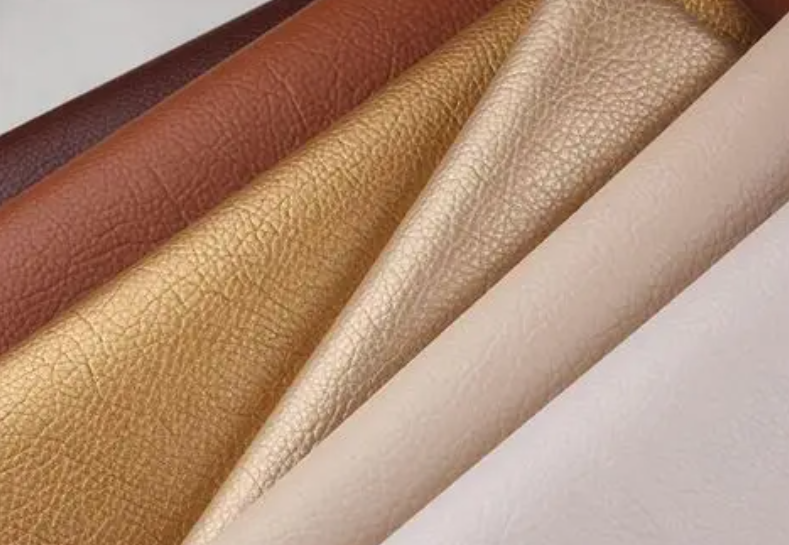
Color-changing leather: balancing coverage and texture in luxury goods
The master craft isn't in the paint, but in the restraint: applying just enough chemical coverage to unify the hide without suffocating its native grain.
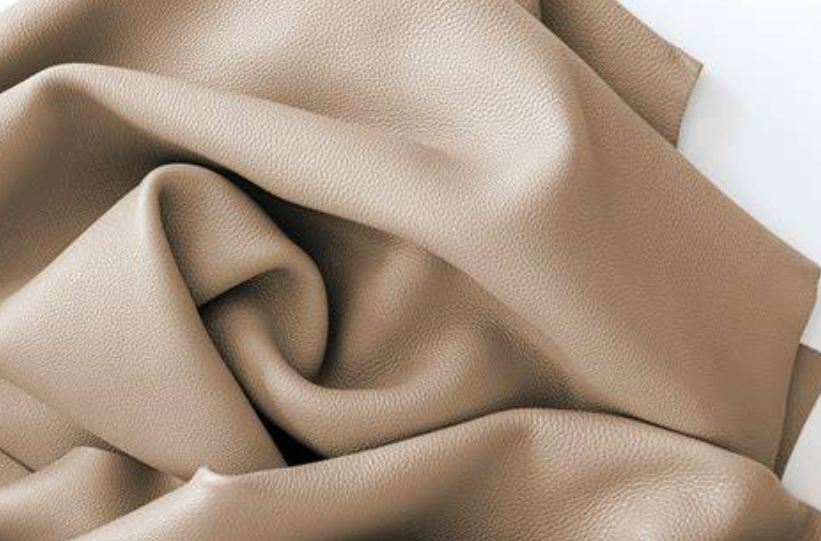
Why Sheepskin Color Change Demands a Lighter, Softer Touch
Sheepskin color work isn't about building toughness—it's about preserving that buttery, bare-skin touch through translucent finishing.
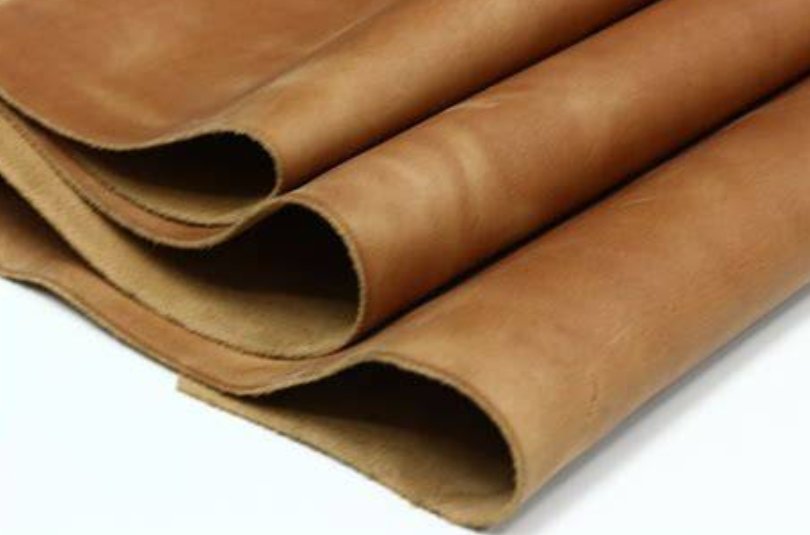
Preserving the Retro Patina During Oil Wax Leather Color Migration
Any successful color migration must treat the internal wax saturation as a co-creator, not an obstacle, allowing the new pigment to dance with the retro patina.
